The key facts
- A 20-year-old German was left by his companions at 2,600 meters on Hochkönig and rescued after an almost 14-hour operation
- The helicopter could not fly due to bad weather; 11 rescuers went on foot
- The police have opened an investigation; rescuers stress that another night on the mountain could have been fatal for him
What happened on Hochkönig
On the afternoon of Saturday, October 31, three German citizens set out on the Königsjodler route in the Hochkönig massif in the Austrian Alps, despite an unfavorable weather forecast and, according to rescuers, a warning from another climber. At around 7:00 p.m., one of the three — a 20-year-old man — became exhausted at an altitude of about 2,600 meters and called rescuers by phone. His companions, nevertheless, continued the ascent and reached the already closed Matrashaus hut at 2,941 meters that same night, where they stayed overnight. This was reported by the Austrian Mountain Rescue Service, ; details are also provided by Bild with reference to the course of the operation.
How the rescue operation unfolded
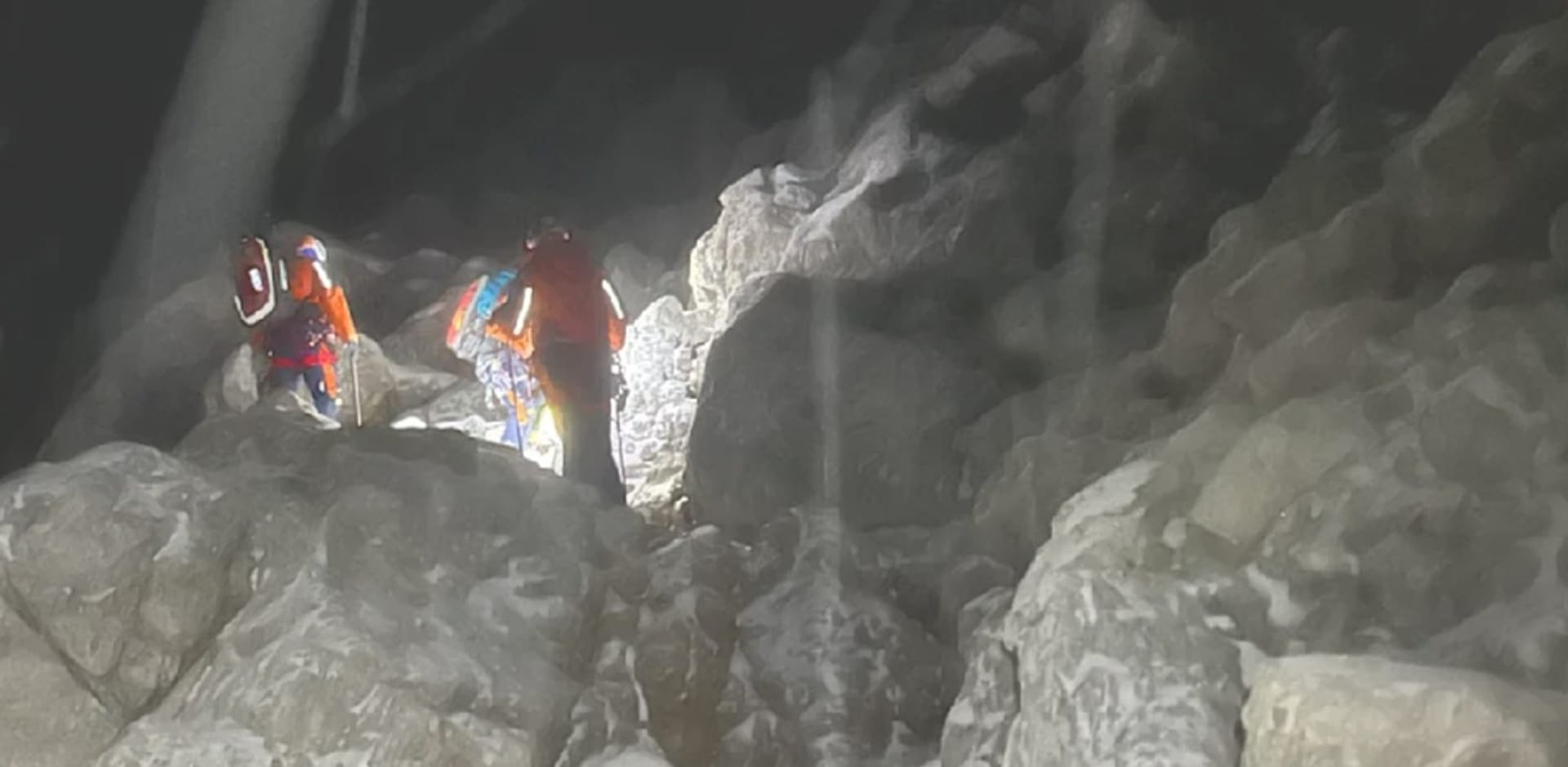
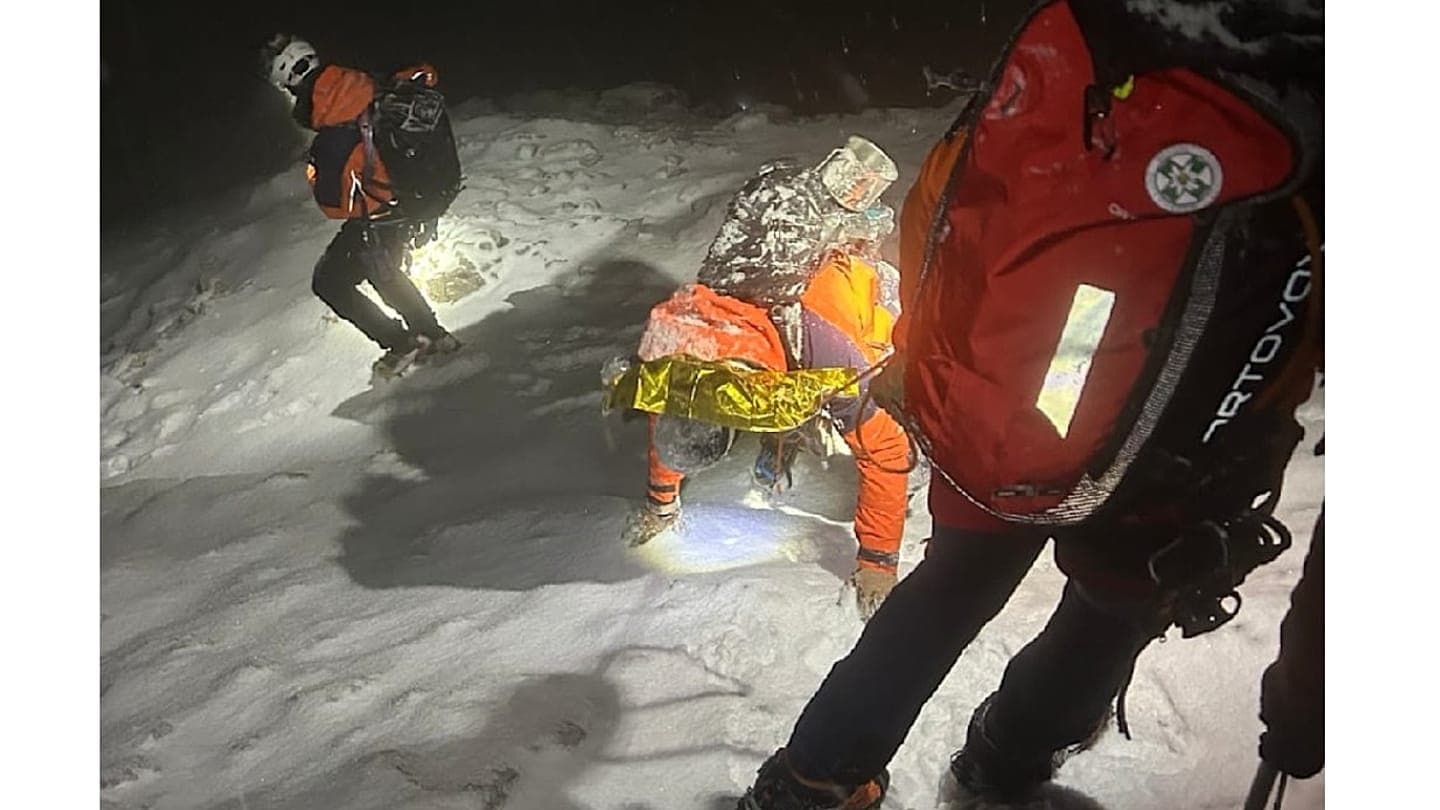
Due to the bad weather and poor visibility, a helicopter was unable to fly into the mountains, so a group of 11 mountain rescuers from the Mühlbach service set out toward the man — on foot, over icy rocks and wearing crampons. Operation leader Wolfgang Haggenmüller noted that the ascent itself was already difficult for the team because of the weather conditions. The rescuers reached the man shortly before midnight. About 20 cm of snow fell during the night, the trail became indistinguishable, and the descent through deep snow was, according to the rescuers, dangerous for everyone involved: “It was deadly dangerous for every one of us,” the Mühlbach service’s statement said. The team only reached the Erichhütte hut at 8:18 in the morning. In total, the operation took almost 14 hours, and by the morning of November 1 the climber had been brought to safety.
The man’s condition and the consequences
According to Bild, the man suffered severe hypothermia but survived. Gerhard Kremser, head of the Pongau district mountain rescue service, stated that, given the conditions, another night on the mountain would likely have been fatal for him. He also emphasized: “This operation once again shows how quickly overconfidence, ignoring warnings and poor route planning lead to a life-threatening situation. Mountaineering also means turning back in time.” According to the media reports, the police have opened an investigation into the incident.