The key facts
- Amos Hochstein supported the strikes on Iran's nuclear facilities in June 2025 but opposes the current eight-month war
- He warned that without victory or negotiations there will remain a 'weakened but angry and vengeful' regime with a long memory
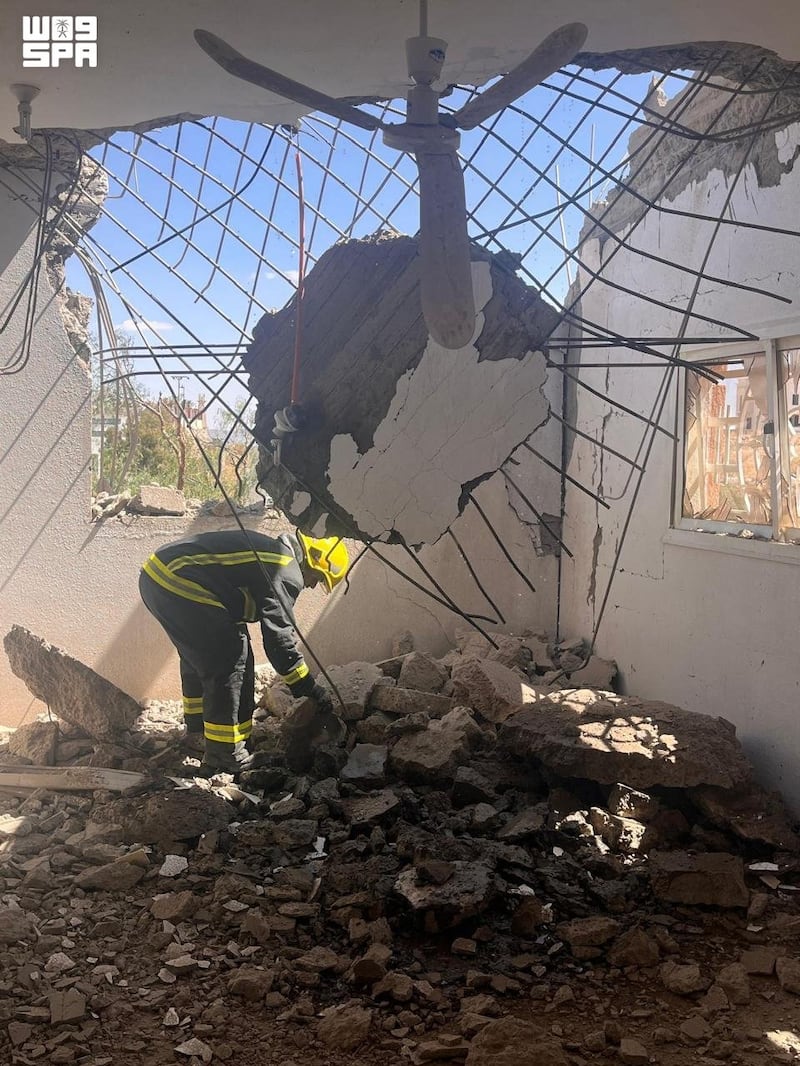
- Hochstein called for restoring deterrence in response to Houthi attacks on Saudi Arabia, including the strike on Riyadh airport that killed at least 12 people
A Warning from Abu Dhabi
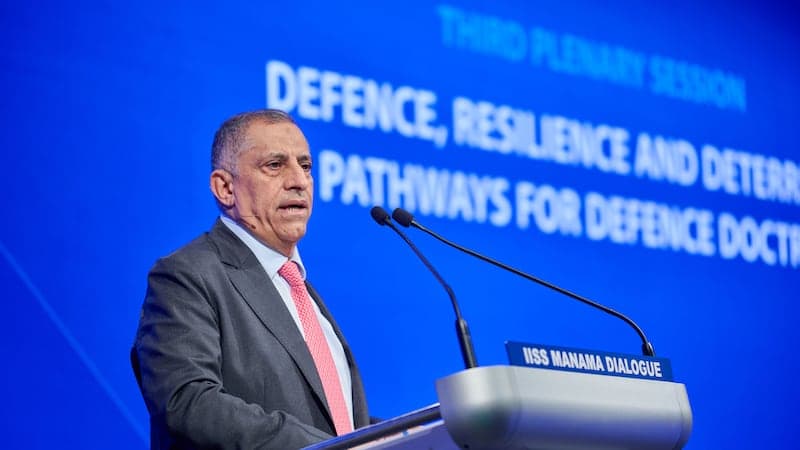
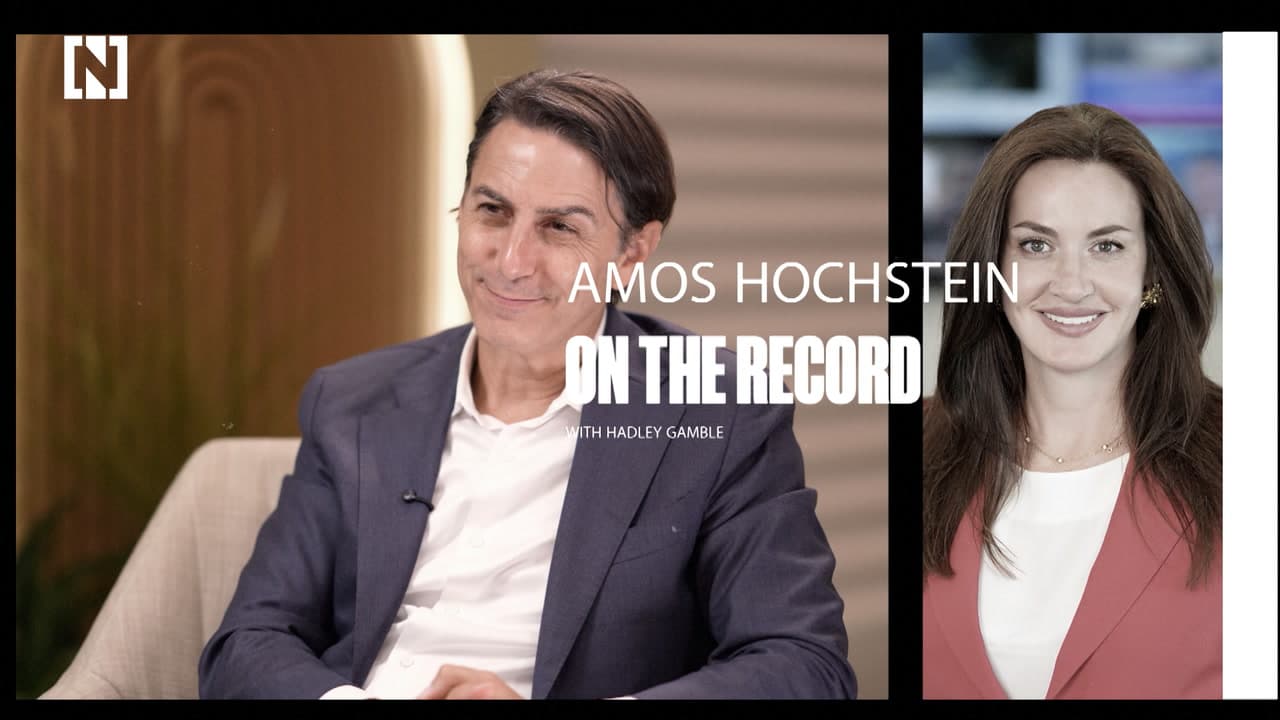
The US war with Iran, now in its eighth month, without a clear end will leave the Iranian regime 'weakened, but angry, vengeful and with a long memory' — and then Washington's Gulf allies will be in the line of fire. This warning was voiced on Sunday in Abu Dhabi by Amos Hochstein, who served as senior adviser at the White House under Joe Biden, in an interview on Hadley Gamble's On the Record program, which airs on The National and Sky News Arabia. His words echo the Gulf states' warnings that the war must not go on indefinitely, The National notes.
Support for the 2025 Strikes and Criticism of the Current War
Hochstein stressed that he supported Donald Trump's strikes on Iran's nuclear facilities in June 2025, but opposes the current war — not out of sympathy for Tehran, which he called a 'terrible regime,' but because he 'didn't understand what the goal was.' In his words, without a clear victory or a negotiated settlement, the conflict will leave behind a regime that 'may not act against us or our allies today or tomorrow, but won't forget either.' This is a continuation of the line of criticism he has pursued since January 2025, when he left the White House: in April, at a Semafor conference, he predicted that Iran would retain control over the Strait of Hormuz regardless of how the war ended, and earlier this month he told Bloomberg Television that the conflict is the Republicans' main vulnerability ahead of the midterm elections, and CNBC that he had 'stopped understanding' the US strategy.
The Cost of the War for Americans and the Lack of Accountability
Hochstein argued that Americans are paying for the war twice: at the gas pump and through the Pentagon budget. 'We keep saying that the Strait of Hormuz is open and oil is flowing. Well, oil is flowing with two aircraft carriers and an entire military apparatus that ensures it and that costs the American public billions,' he said. He also accused the Trump administration of concealing damage to American forces: according to him, bases in the region were damaged, but the damage assessment, photographs, and a report to the elected representatives of the people were not made public. 'We need an accounting of what this war is costing us,' he added.
Saudi Arabia and the Houthis
Hochstein was most scathing about Washington's response to the Houthi campaign against Saudi Arabia. This month, missile strikes on King Khalid International Airport in Riyadh killed at least 12 people, including a US citizen. 'Somehow this doesn't warrant any response from the United States. But a war with Iran, where we were under no threat at all and no one was targeting us… somehow we got into it. So I think the region is just as confused as the Americans,' he said. In his view, the US is not obligated to fight in Yemen, but must restore at least some deterrence: 'Saudi Arabia has earned our support — not when it attacks in Yemen, but when the Houthis attack Saudi Arabia. And civilians. That's where we should draw the line.' He also recalled that Riyadh's truce with the Houthis, reached under Biden and initially mocked as the 'Ramadan treaty,' held for years.
Lebanon, Elections, and Hope for Success
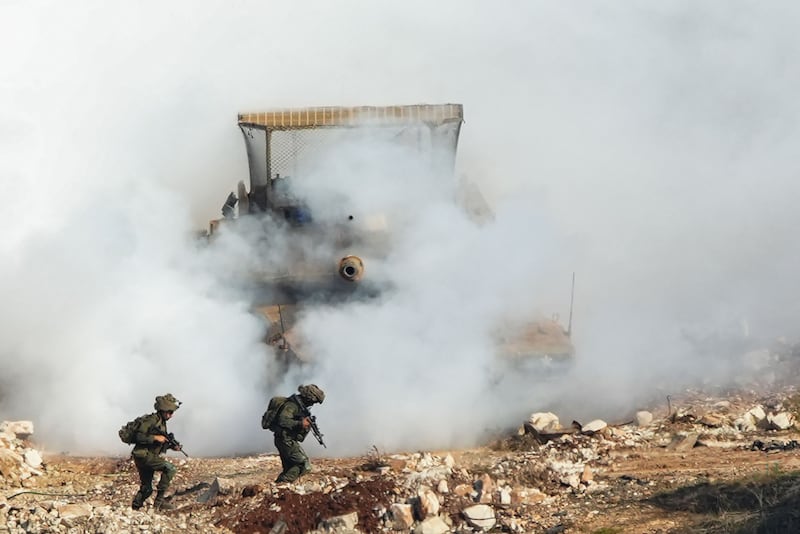
Hochstein's greatest disappointment was the situation in Lebanon, where he himself brokered a ceasefire between Israel and Hezbollah in November 2024. According to him, by the time the Biden administration left office, Israel had withdrawn its troops from almost all captured territories, leaving only five strongholds, and there was a detailed plan for the phased disarmament of Hezbollah, but this process was 'abandoned.' He blamed the collapse of the ceasefire on Hezbollah, which, contrary to the Lebanese government's order, did not stay out of the American-Israeli war with Iran — the group called it revenge for the killing of Iran's supreme leader, Ayatollah Ali Khamenei. 'If Hezbollah wants to avenge the death of the Iranian leader, let it go fight in Iran, not in Lebanon,' he said, calling the group 'a parasite on the Lebanese people.' At the same time, he warned that the Lebanese army could not handle disarmament on its own: 'Hezbollah is too weak to fight Israel, but strong enough to fight Lebanon.' His alternative is to agree on the land border, withdraw Israeli forces post by post as the Lebanese army takes up positions with US military coordination, then push Hezbollah out of the south, and tackle disarmament last, relying on a US-led force with troops from the United Kingdom, France, Italy, Germany and Indonesia embedded in the Lebanese army, rather than on UN peacekeepers.
Elections, Syria and conclusions
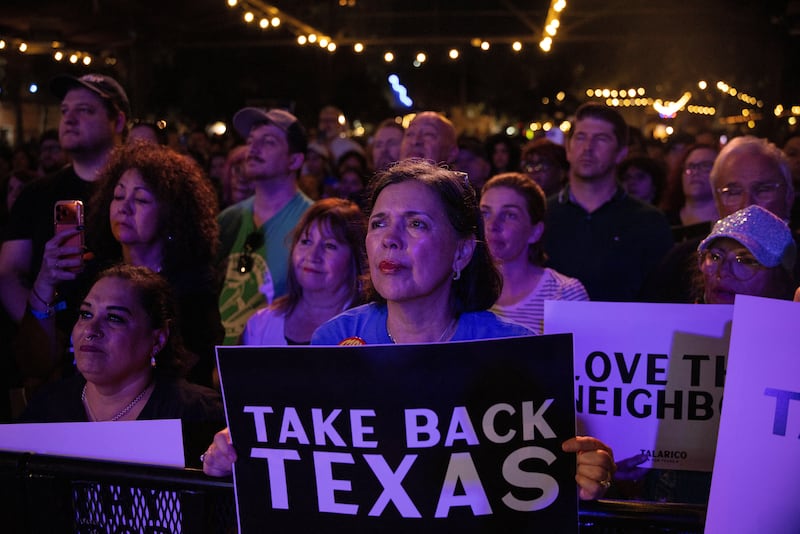
Hochstein, a Democrat, believes his party will 'very likely' win the House of Representatives in Tuesday's midterm elections, leading to divided government, which he called 'a good thing': Democrats will be able to pressure the administration through oversight and the budget — 'if the president comes to Congress and says: I need a trillion dollars for this war, I think questions will arise' — drawing a comparison with Vietnam and the Gulf of Tonkin. On Syria, he supported the administration's course of backing President Ahmad al-Sharaa, but with the caveat 'maybe even less trust,' calling al-Sharaa 'our best chance to return Syrians to a path to normalcy.' Despite all his criticism, he rejected the widespread view in the region that American influence has been lost, and offered the administration an unexpected concession: 'You know, I'm not a fan of the Trump administration, but on this issue I hope they succeed. If these are the right steps, I will applaud.'