The key facts
- At least 17 people, mostly children, hospitalized in Akkar over the weekend
- Trichinella spiralis found in a meat sample from the Nadini restaurant; supplier Rahamco operated without a license and has been closed
- Prime Minister Nawaf Salam is holding an emergency meeting on Monday
Hospitalizations in Akkar and an emergency meeting
Lebanon has recorded a series of food poisoning cases: over the weekend, at least 17 people, mostly children, were taken to hospitals in the northern district of Akkar. According to local authorities, the victims had eaten contaminated baked goods, and some also ate meat. As The National reports, Prime Minister Nawaf Salam is convening an emergency meeting on Monday afternoon over the rise in illness and cases of improper food handling by vendors.
The case of the Nadini restaurant and supplier Rahamco
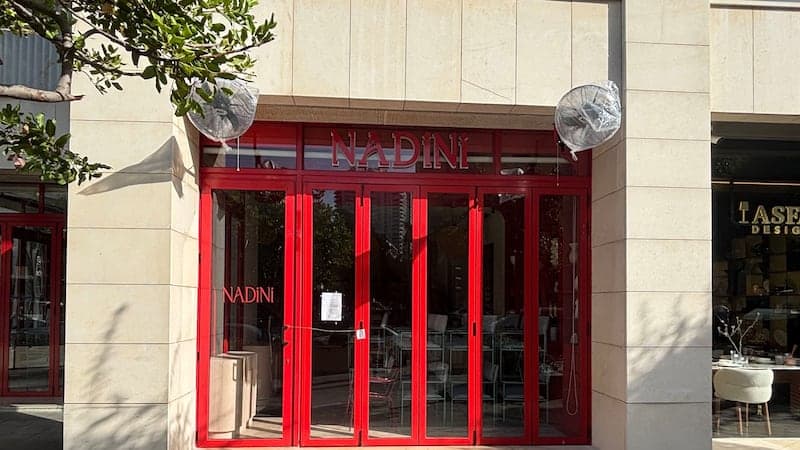
The meeting follows an investigation that began after several people fell ill after eating at the Nadini restaurant in central Beirut, which was then temporarily closed. Laboratory tests ordered by Beirut Governor Marwan Abboud detected the parasite Trichinella spiralis in a meat sample. As part of the investigation, which included military intelligence, a warehouse in Beirut's Raouche district, owned by the company Rahamco, which supplied meat to Nadini and a number of other restaurants, was searched. It turned out that the supplier was operating without a license and failed to meet even minimal sanitary standards; according to preliminary data, it mixed fresh meat with thawed meat. The supplier has been shut down.
What is known about trichinellosis
Lebanon's Health Ministry warned last week of a rise in suspected trichinellosis cases — a parasitic disease transmitted through raw or undercooked meat, especially pork. According to the ministry, symptoms begin with digestive disorders — nausea, diarrhea and abdominal pain — which may be followed by fever, muscle aches, severe fatigue and swelling around the eyes; in severe cases, complications affecting the heart, nervous and respiratory systems are possible. Lebanese cuisine includes dishes made from raw meat, such as kibbeh nayyeh, but it is not yet clear which dishes caused the illness. The Economy Ministry, as part of consumer protection, is taking measures against suppliers that violate sanitary standards. The publication notes that restaurants and suppliers in Lebanon have long faced unstable and expensive electricity supplies, which make it difficult to keep food fresh.