The key facts
- The six-day truce in the Kherson region — the longest since the start of the full-scale invasion in 2022 — allowed the evacuation of hundreds of residents of the occupied town of Oleshky
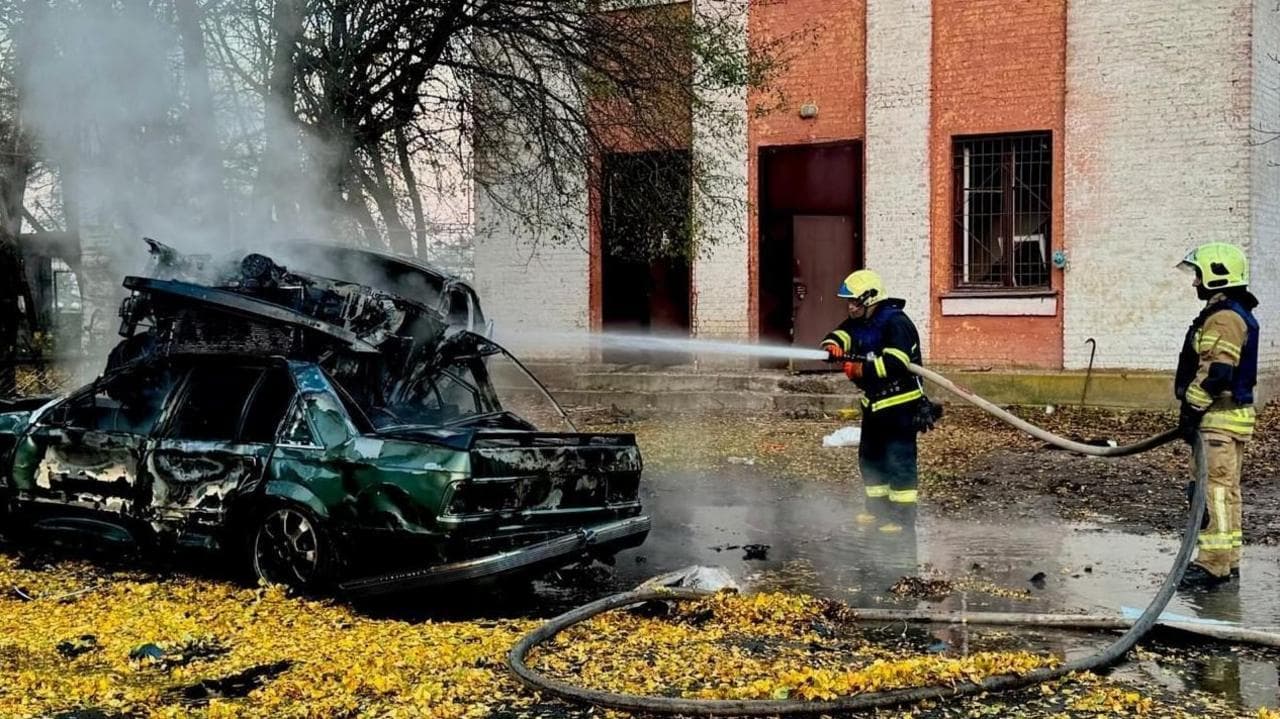
- On Monday strikes resumed: local authorities reported an attack on a medical facility in Kherson and two people wounded in a drone attack on a car
- Ukraine accused Russia of using the pause to rotate troops and bring in ammunition; Peskov replied that the Ukrainian army also 'used this period for regrouping'
The truce is over — fighting has returned
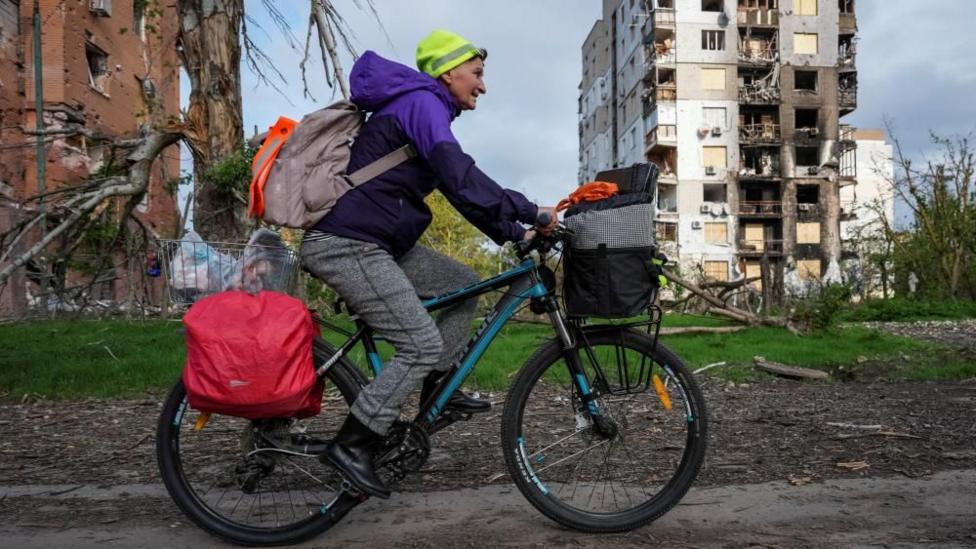
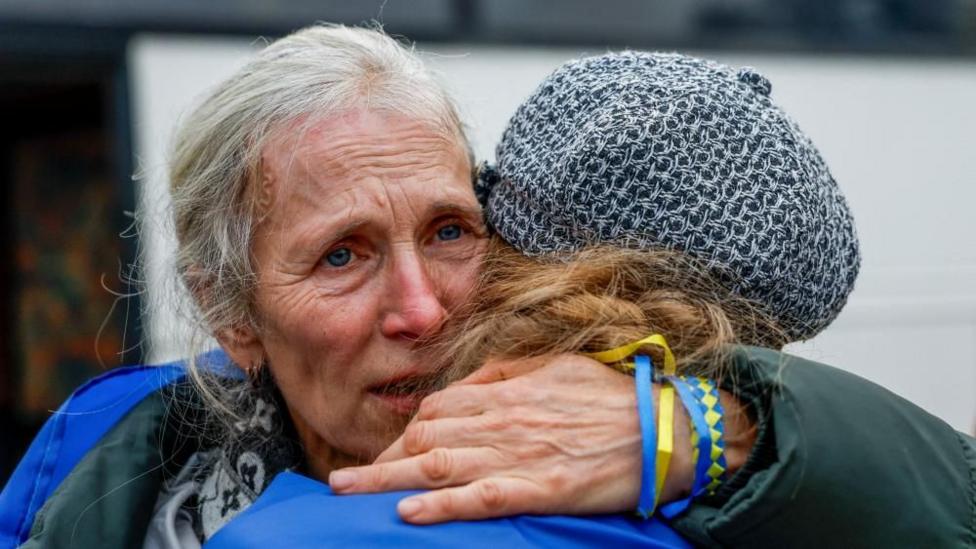
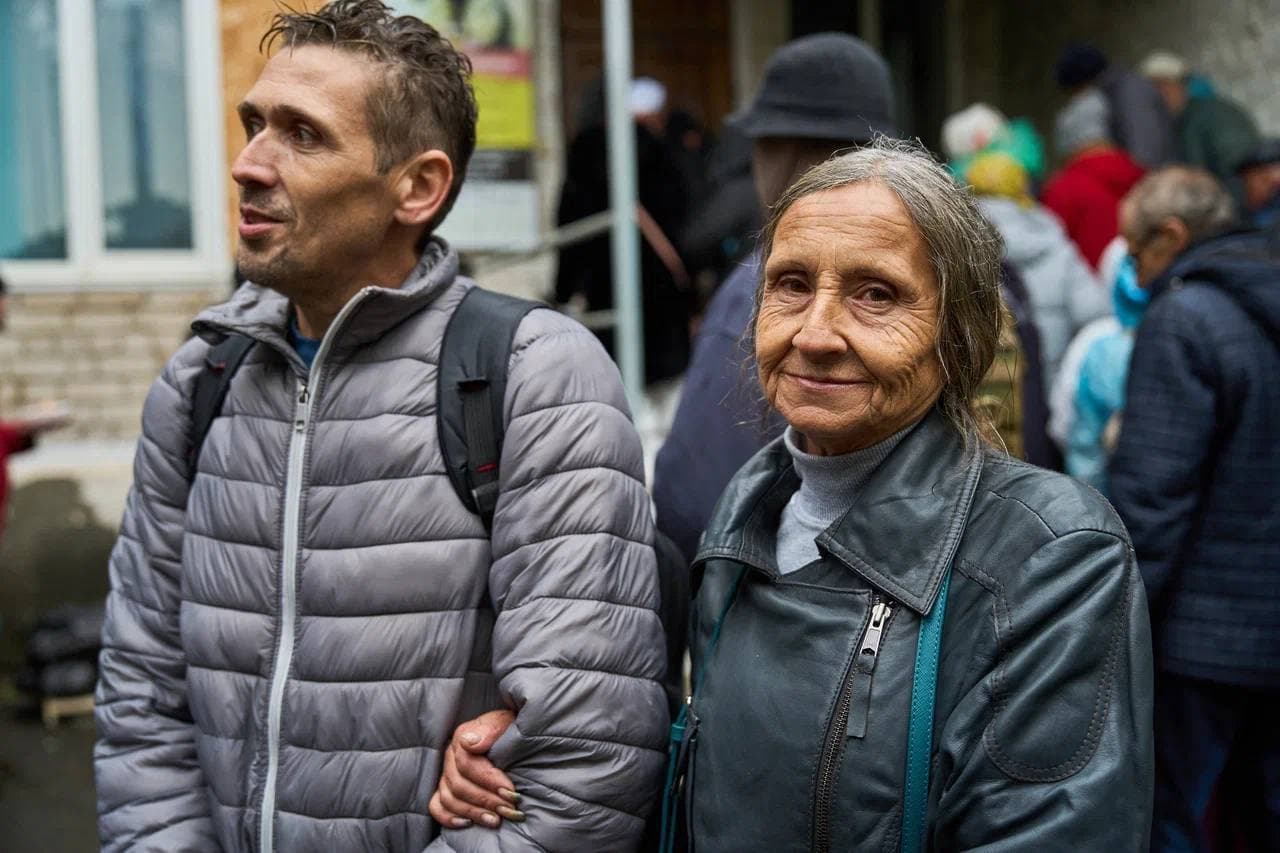
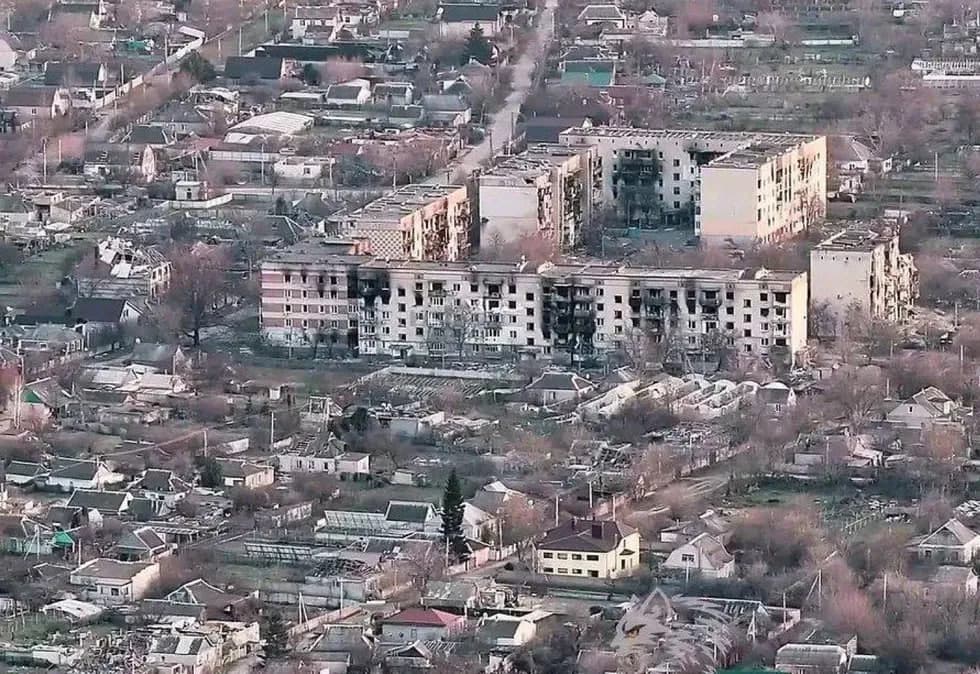
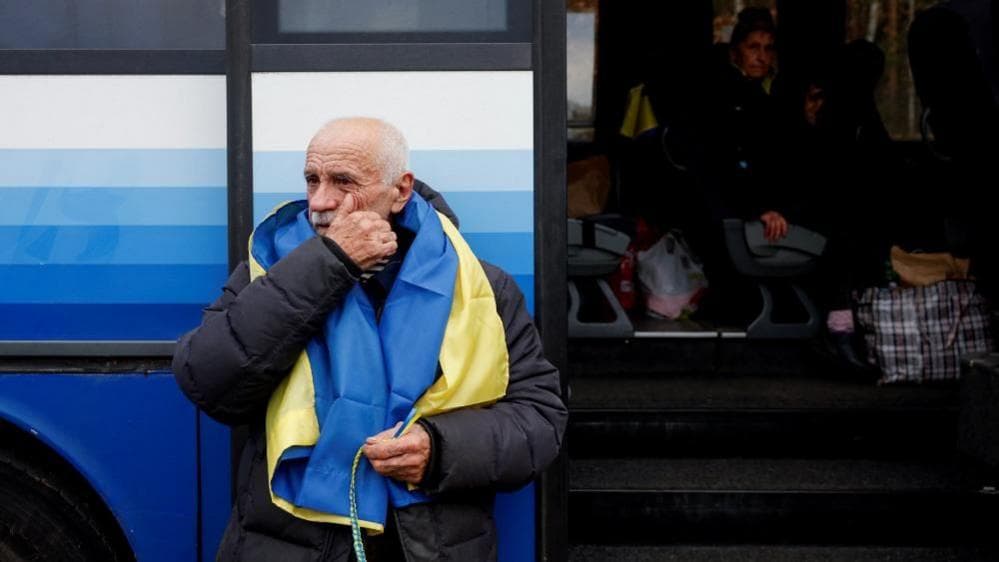
Fighting has resumed in the Kherson region after a six-day truce — the longest since the start of Russia's full-scale invasion in 2022. This is reported by BBC News. During the lull, hundreds of residents of the occupied frontline town of Oleshky and its surroundings were able to evacuate: on Saturday they arrived in northern Ukraine, where they were met by relatives whom many had not seen for years. The evacuees told journalists about years of hunger and hardship in the destroyed town.
Mutual accusations over the use of the pause
On Monday morning, local authorities confirmed the resumption of strikes: according to them, Moscow attacked a medical facility in the centre of Kherson, and a 62-year-old woman and a 73-year-old man were wounded in a drone attack on a car. Ukraine accused Russian forces of using the humanitarian pause to strengthen positions, rotate units and bring in ammunition. Kremlin spokesman Dmitry Peskov essentially confirmed this, noting that it is 'reasonable to assume' that the Ukrainian army also used this period 'for the necessary regrouping', calling such a practice 'completely standard' in such situations.
Who stood behind the truce and what comes next
The truce was agreed with the mediation of US First Lady Melania Trump; the details of her involvement were not disclosed, but Kyiv and Moscow repeatedly thanked her. Compliance with the regime was monitored by the human rights commissioners of both countries — Yana Lantratova and Dmytro Lubinets, who together visited Oleshky and publicly noted the absence of violations; both called for repeating the initiative elsewhere, and Ukraine said it was ready to observe such truces on a nationwide level. The Kremlin, however, even during the lull called Oleshky an 'isolated case' that would not affect the 'settlement process', and on Monday Peskov repeated that 'there are no similar plans or initiatives'. BBC notes that compliance with the truce may have been linked to Moscow's reluctance to undermine relations with Donald Trump, while Kyiv was interested in maintaining American support, including intelligence data and Patriot air defence systems. At the same time, even during the lull in the Kherson region, Russian strikes on the rest of Ukraine continued. The hundreds of residents remaining in Oleshky, according to Lantratova, will receive monthly humanitarian aid.
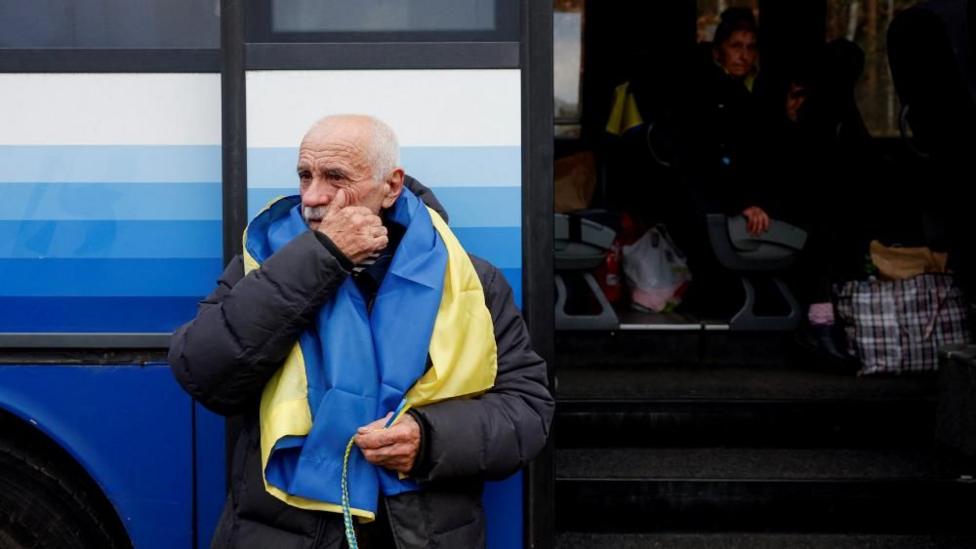 Image source, Reuters
Hundreds of Oleshky evacuees arrived back in Ukraine on Saturday after years trapped on the frontline