The key facts
- In the summer of 2026, half of the EU experienced drought; by October, wildfires had burned more than 690,000 hectares — almost twice the 20-year average
- Spain's Vexiza is deploying firefighting coordination, flood monitoring and biomass control systems in several regions
- Santander UK modelled the consequences of three major floods for London and south-east England: losses could have been 19% higher than the baseline scenario
A record-breaking season as the backdrop
Two figures define the scale of the problem: in the summer of 2026, half of the EU's territory was in a state of drought of one degree or another, and by October wildfires had destroyed more than 690,000 hectares — almost twice the 20-year average. These figures are cited by Euronews with reference to the European Commission's Joint Research Centre. The publication's conclusion: Europe is already collecting an unprecedented volume of climate data from satellites and weather models; its real task is to turn that data into actionable intelligence while there is still time to act.
From data to decisions: three levels of application
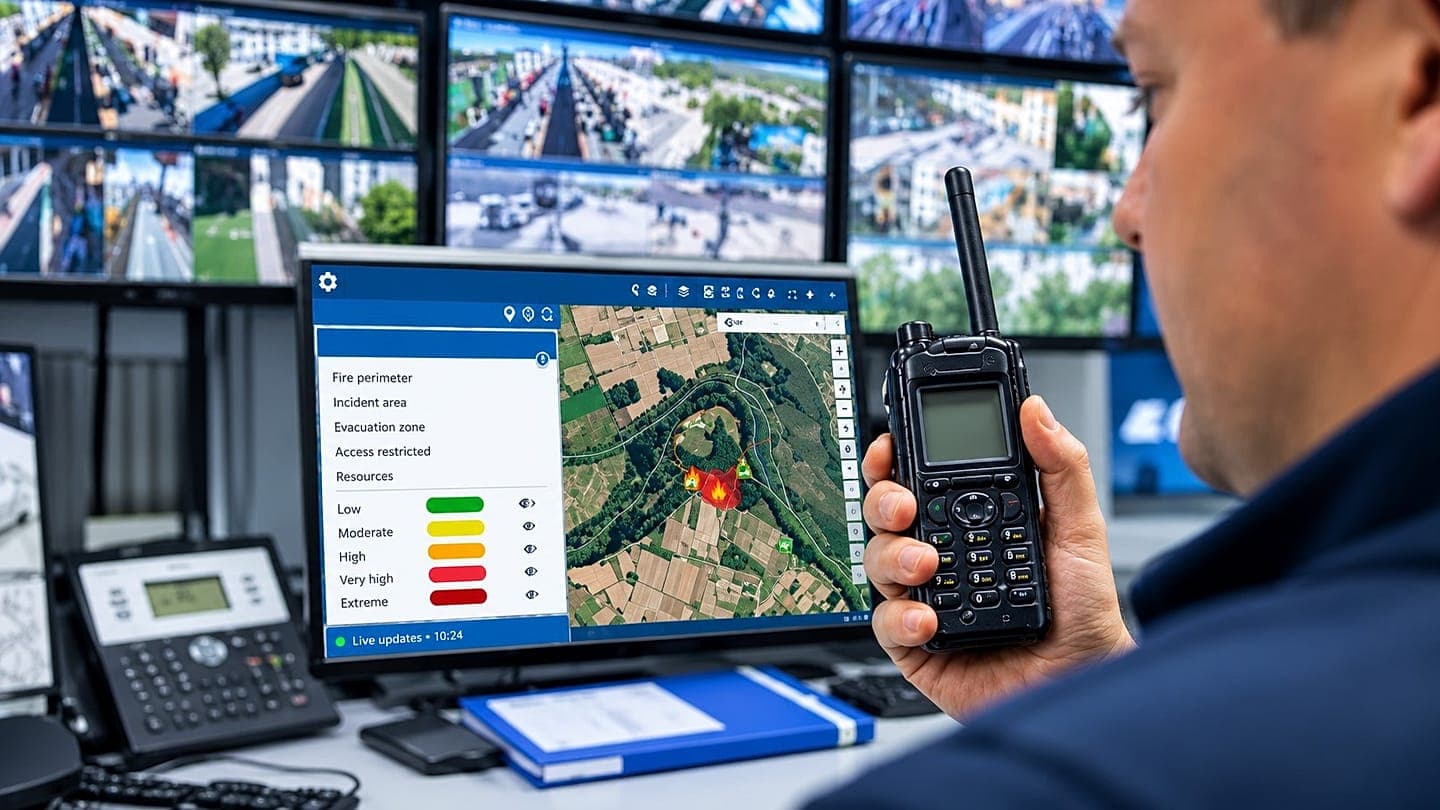
Euronews describes three areas where climate data is already translating into practical decisions. The first is operational response: geographic information systems overlay weather onto data about terrain, infrastructure and responders' resources, while built-in AI and simulations show how an incident may develop. The second is prevention: vegetation analysis and scenario modelling help identify vulnerable areas in advance, before a wildfire or flood. The third is financial: insurers, banks and energy companies stress-test their assets against extreme weather scenarios. The authors emphasise a limitation: technology does not eliminate uncertainty and does not replace human judgement.
Spanish cases: from Navarre to Galicia
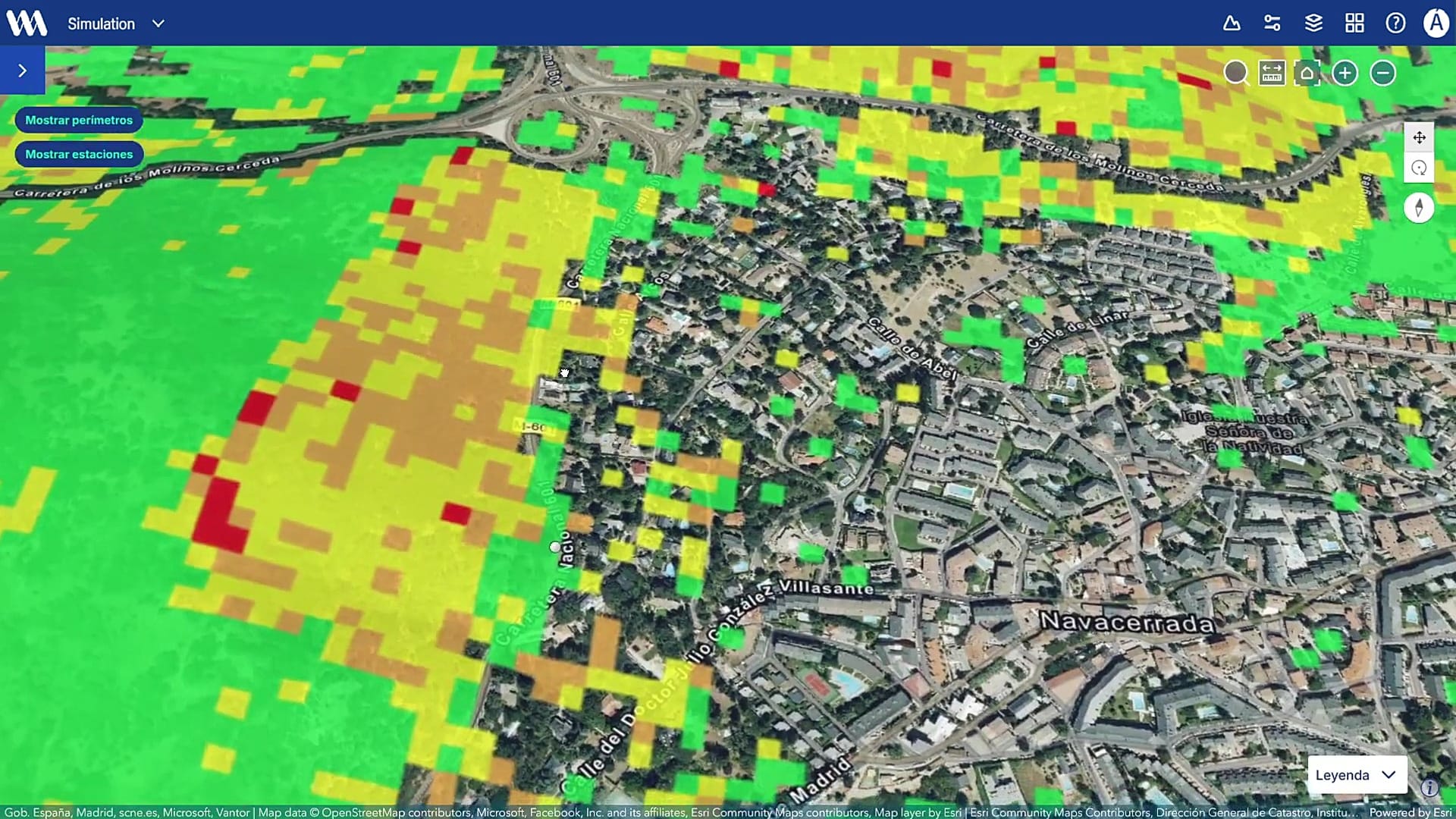
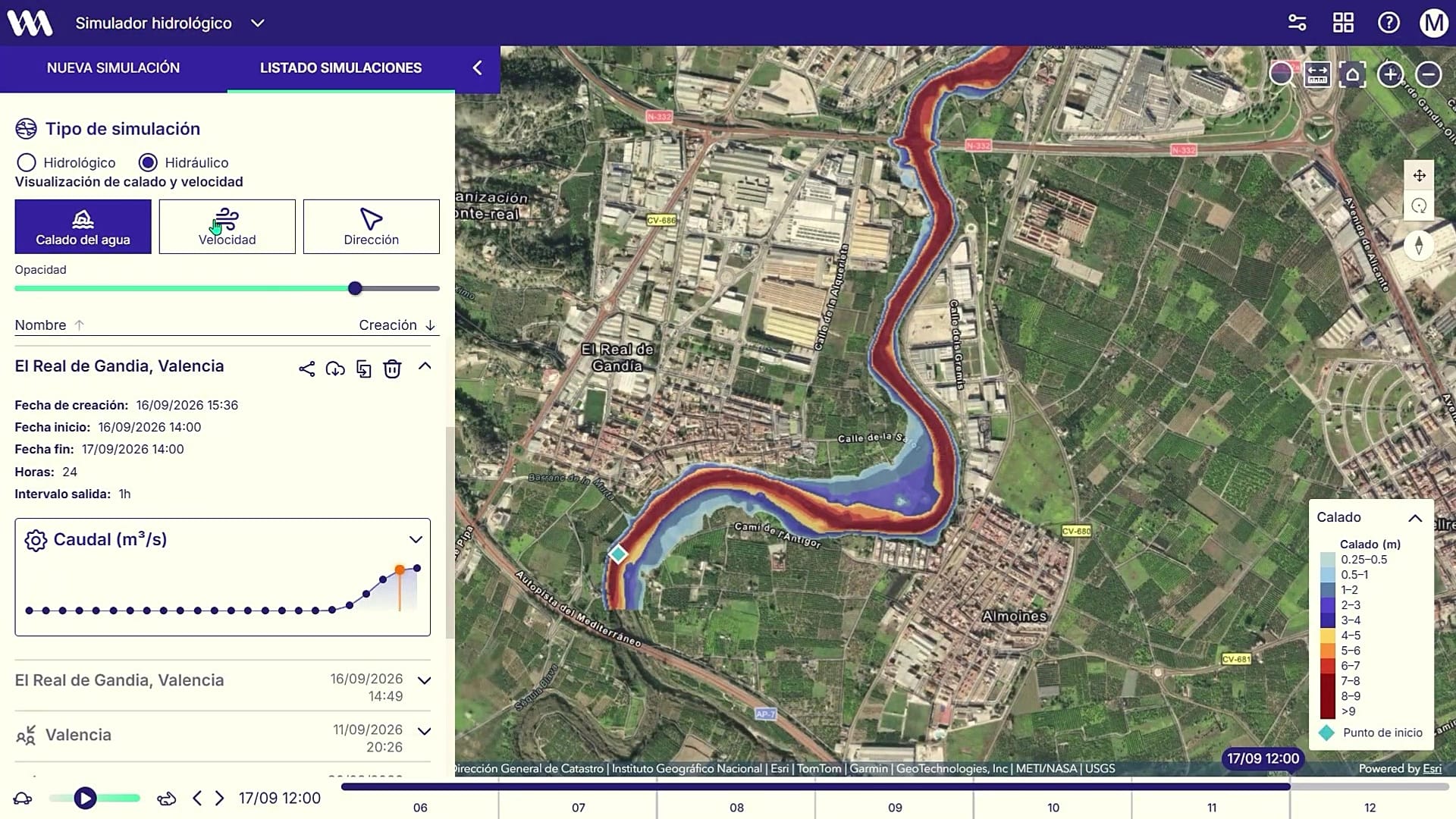
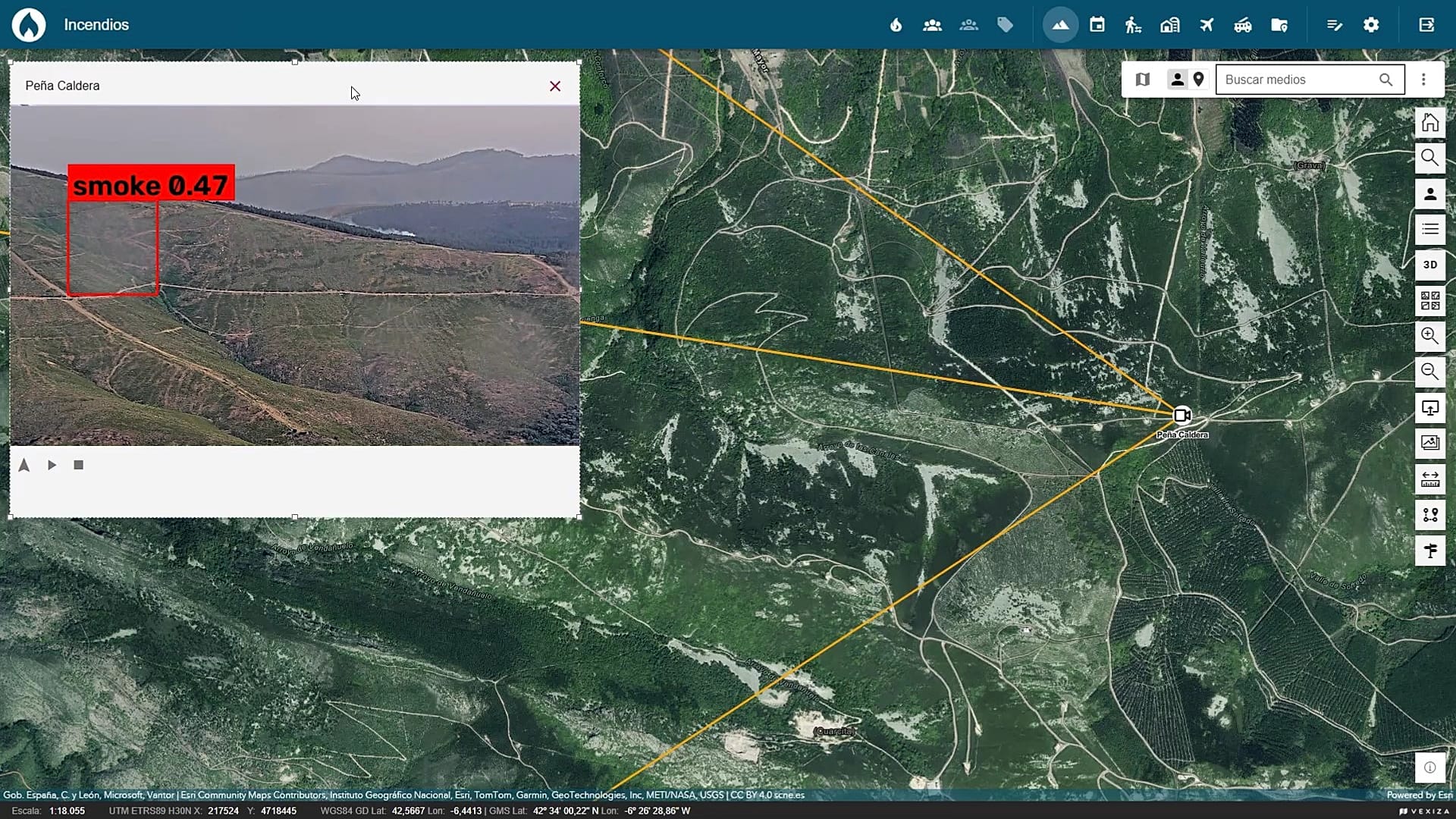
Concrete examples come from the Spanish company Vexiza, whose projects are described in the Euronews publication and in the company's own materials. In Navarre, an integrated wildfire management system combines resource dispatching, operational planning and fire monitoring: simulations show the fire's development over the next 24 hours, including priority zones, road access and evacuation routes. The open platform INFORCYL for Castile and León publishes a fire map for residents, showing danger levels and the forces deployed. In Murcia, a hydrometeorological monitoring platform, created together with the IMIDA institute, helps assess flood risk in rural and coastal areas, while in Galicia the system Xesbio helps forestry authorities track vegetation clearing and inspect risk zones — including offline from mobile devices. Vexiza is also taking part in the Horizon Wildfire Insights project, supported by the European Space Agency together with Airbus and B2Space, which combines satellite data, aerial information and emergency services messages.
A bank stress test for flooding
The financial dimension of risk is illustrated by Santander UK: in its '2025 Sustainability Report Supplement' the bank modelled the consequences of three major river floods in London and south-east England in 2026, 2028 and 2033 — for property values, infrastructure, economic activity and its mortgage portfolio, including the role of insurance. The model showed that losses could be 19% higher than in the baseline scenario under current conditions and government policy. The bank stresses the hypothetical nature of the exercise, but it demonstrates how climate modelling is entering financial planning. For its participation in such developments, Vexiza has been included in the global entrepreneurship community Santander X 100 of Banco Santander.
What remains open
Euronews' overall conclusion is measured: the value of climate intelligence is determined not by the volume of data collected but by how effectively it is turned into decisions that reduce losses. The systems described are already operating in individual regions of Spain and at one British bank, but the publication contains no data on scaling these approaches across the entire EU or on their measurable effect in reducing damage — that question remains open.