The key facts
- District Judge Sharon Gleason in Anchorage rejected the Trump administration's lawsuit seeking separate counting of votes in the Alaska Senate election
- The reason was a same-surnamed candidate on the ballot alongside Senator Dan Sullivan — Daniel J. Sullivan Jr.
- The Justice Department said it intends to appeal the decision, while the ACLU welcomed the ruling
Court rejects lawsuit seeking separate counting of ballots
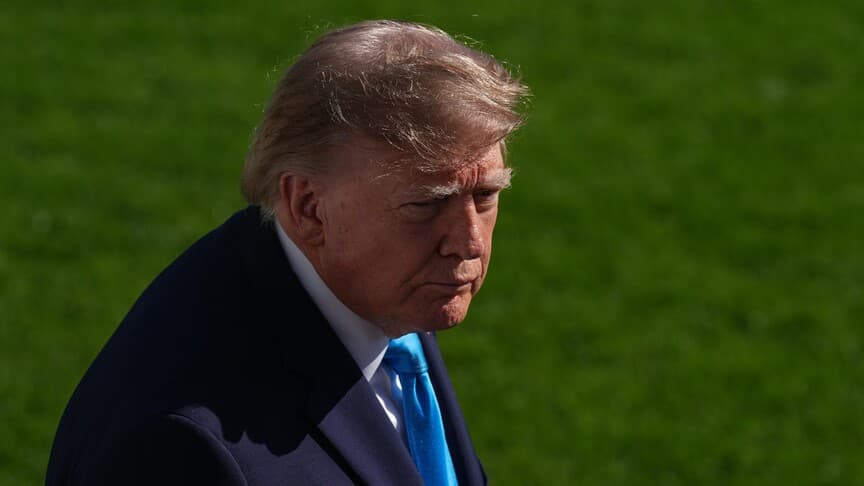
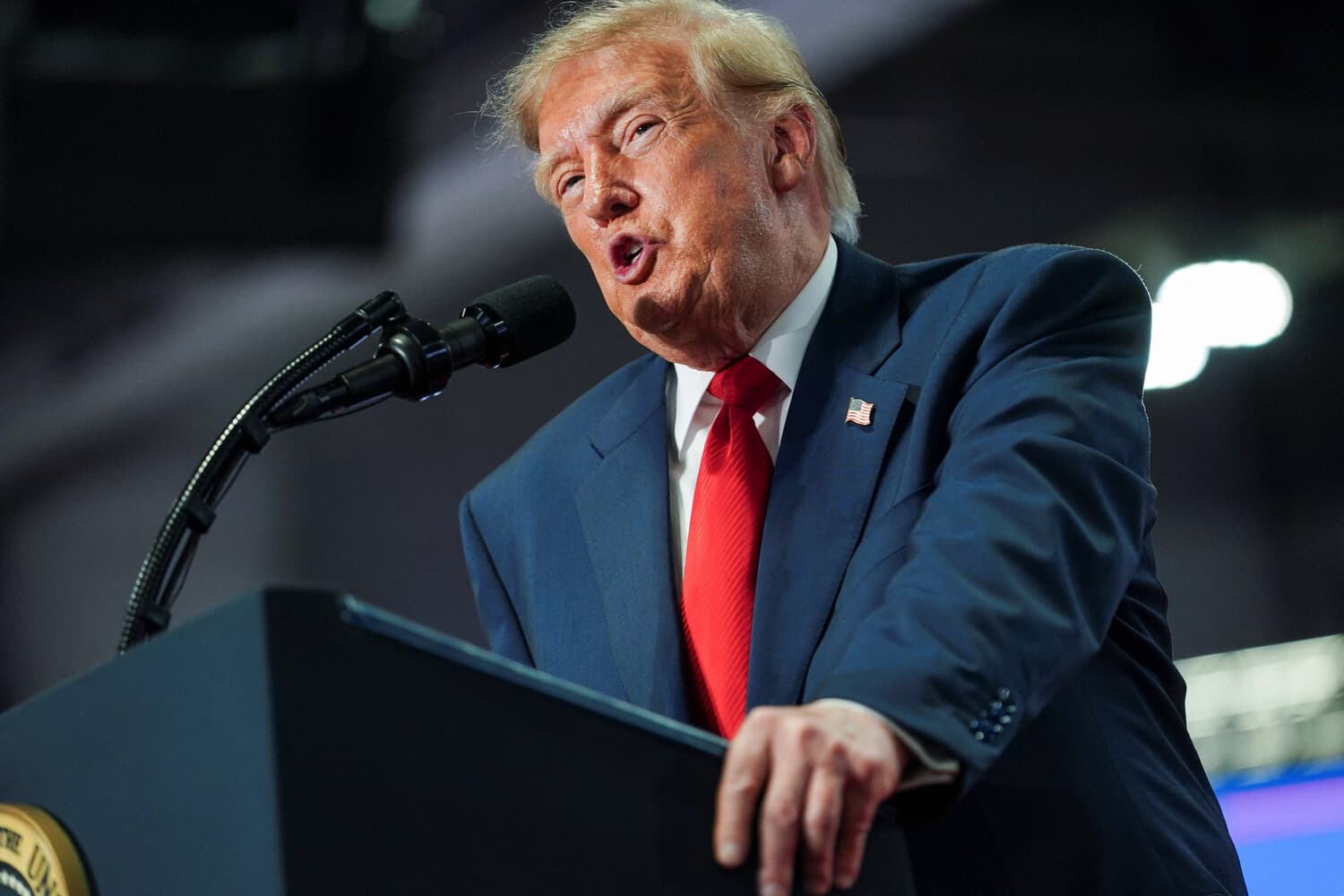
Federal district judge Sharon Gleason in Anchorage has rejected a lawsuit by the administration of US President Donald Trump, which sought a special procedure for counting votes in the US Senate election in Alaska. This was reported by Gazeta.Ru, citing Reuters.
The essence of the dispute: two Sullivans on one ballot
The lawsuit was prompted by the presence on the ballot of two candidates with the same surname: incumbent Republican Senator Dan Sullivan, who is fighting for the Senate seat against former Democratic Congresswoman Mary Peltola, and retired teacher Daniel J. Sullivan Jr. The Department of Justice feared that votes cast for Sullivan Jr. could affect the outcome of the race and demanded that ballots cast for the two same-surnamed candidates be separated, followed by a review of the votes.
The court's arguments and the parties' reactions
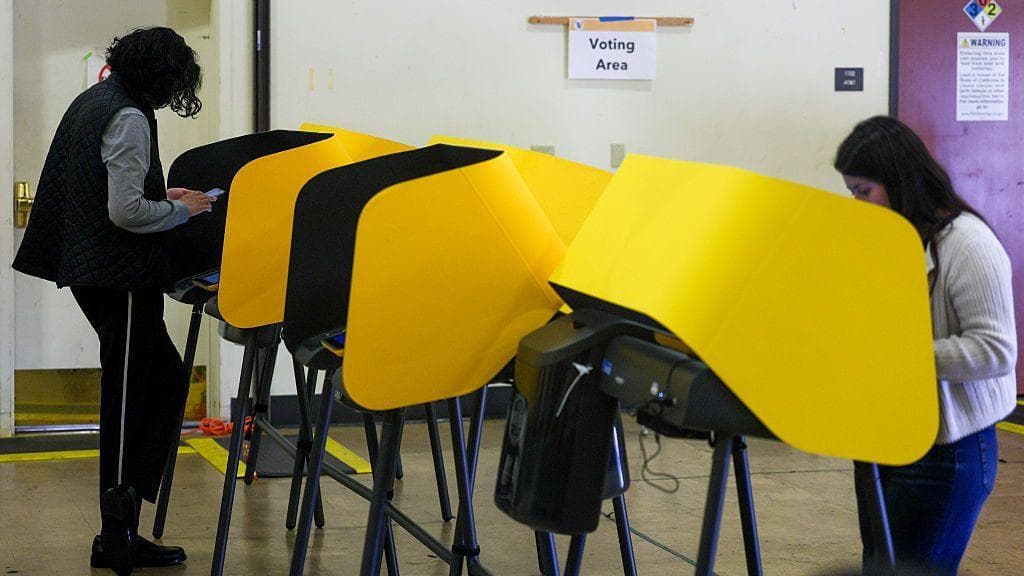
Judge Gleason found the proposed mechanism incompatible with citizens' right to a secret ballot and stated that the federal government had not provided sufficient legal grounds for the lawsuit: the authorities did not explain how ballots for Sullivan Jr. could be separated and reviewed without violating the confidentiality of the vote. Reuters notes that this is another setback for the administration in its attempts to strengthen federal control over the electoral process, which under the US Constitution belongs primarily to the states.
Appeal and election context
The Department of Justice announced its intention to appeal the decision, emphasizing that the lawsuit was dismissed on procedural grounds, and accused its opponents of trying to influence the election results. The American Civil Liberties Union (ACLU), which represented the state's interests, welcomed the ruling: according to the organization, the court stopped the Justice Department's attempt “to cast doubt on the results of the election before the first ballot is even counted”. “This administration is constantly trying to influence the outcome of the midterm elections, and today it lost again,” the ACLU said.
What the elections will decide
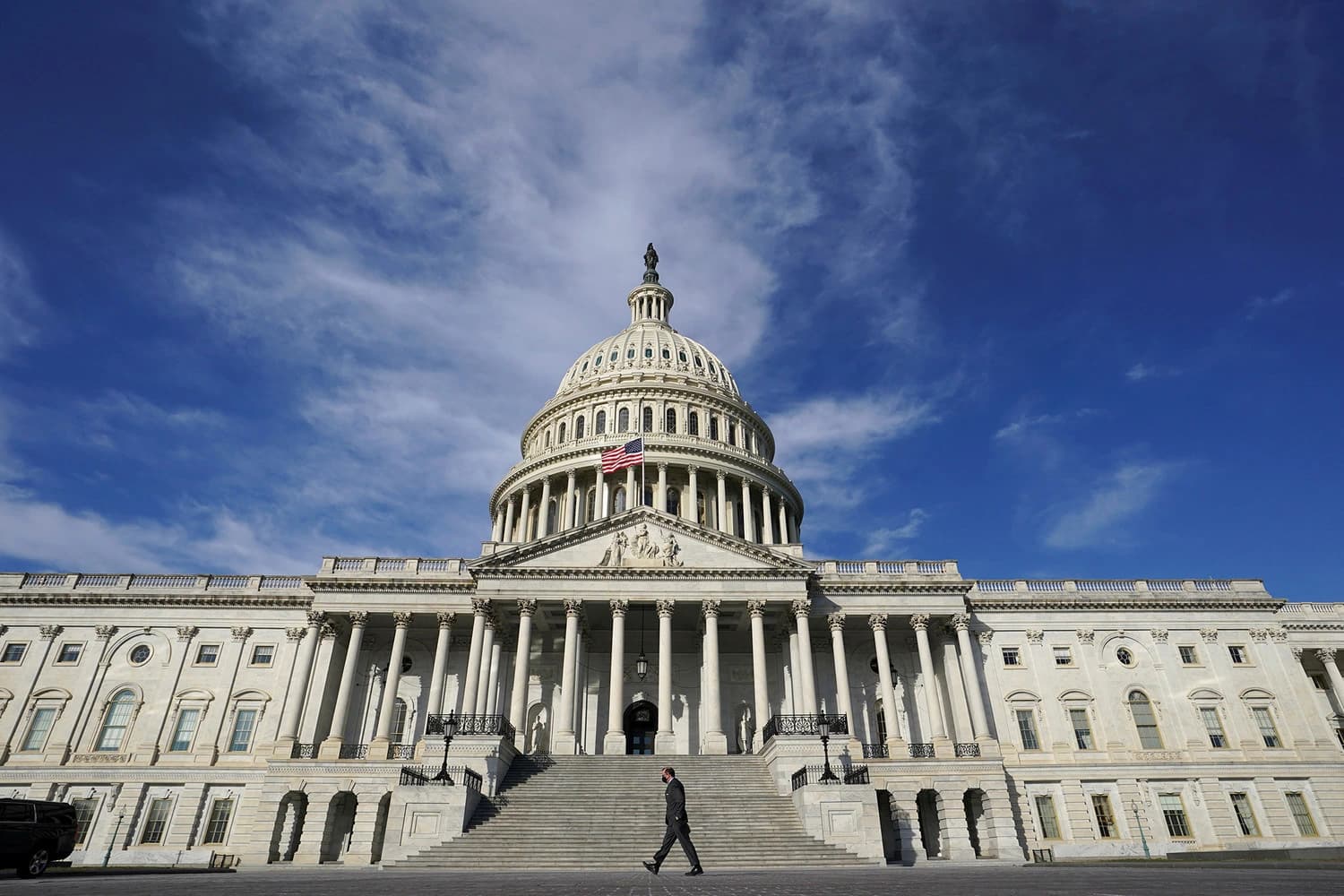
The midterm congressional elections are scheduled for November 3, in the middle of the presidential term: citizens will elect all 435 members of the House of Representatives and about a third of the 100 senators; voting can be done early — in person or by mail. The outcome of the Sullivan-Peltola race could matter for the balance of power in the upper chamber: Democrats need to gain at least four additional seats to control the Senate.