The key facts
- Federal judge Trina Thompson barred the Justice Department from threatening election officials with criminal prosecution and from demanding that ballots of suspected non-citizens be set aside
- Earlier, the Justice Department demanded that the ballots of 20,000 voters in California be set aside, while DHS officers delivered letters threatening criminal charges
- Trump called election fraud 'pervasive'; according to BBC Verify, the Heritage Foundation database records 24 convictions of non-citizens for voting between 2005 and 2025
Court bans pressure on election commissions
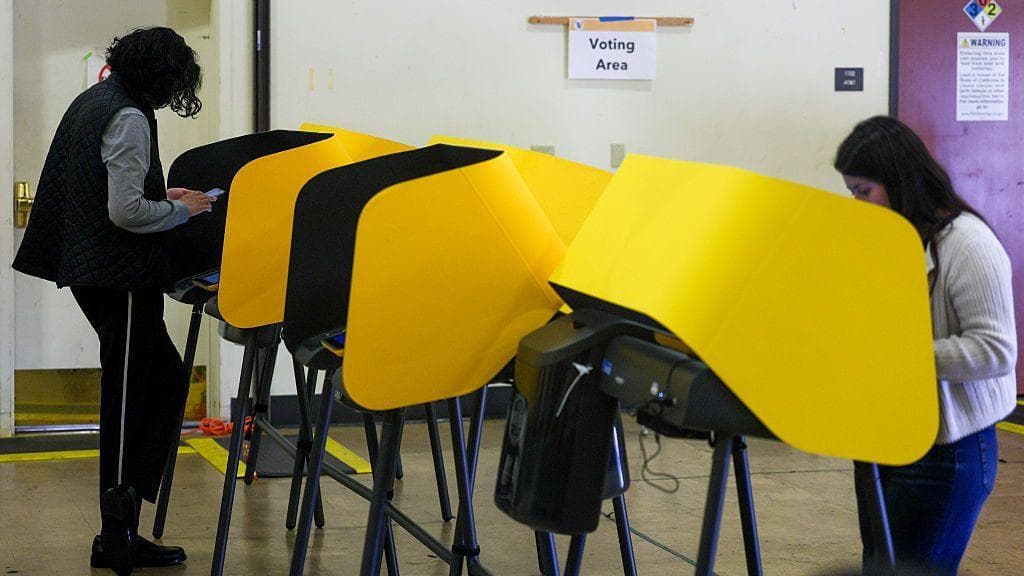
Federal judge in California, Trina Thompson, ruled that the US Department of Justice must stop threatening local and state election officials with criminal charges for processing ballots, and must stop demanding that ballots the Trump administration considers possible votes by non-citizens be set aside or not processed. The ruling came days before the November 3 midterm elections, which will determine which party controls Congress during the final two years of Donald Trump's presidency. BBC News reports.
What led up to the ruling
According to court filings, in October the Justice Department sent letters to the California secretary of state and the Los Angeles County registrar demanding that the ballots of 20,000 registered voters whom the administration 'believes' to be 'likely' non-citizens be set aside. About a week later, armed Department of Homeland Security officers delivered letters to officials and county staff across the state, threatening criminal charges if they refused. The organizations said they could not comply with these demands because they are required to follow procedures established by state law and federal legislation; another judge had earlier rejected a similar demand, noting that it would 'sow chaos' in the election. Around the same time, the Justice Department, reportedly, opened a criminal investigation into election commission staff, issuing grand jury subpoenas. Civil rights groups and unions of election workers filed a lawsuit, and Judge Thompson ordered these actions to stop.
The court's reasoning and Trump's reaction
'Although defendants claim their actions are aimed at preventing unlawful voting by non-citizens, their actions are likely to interfere with the conduct of the election and disenfranchise lawful voters,' Judge Thompson wrote. Under her ruling, the administration sent a similar letter demanding a halt to the processing of ballots from suspected non-citizens to the state of Washington as well. On Saturday, Trump criticized the ruling, writing: 'Why would they reject fixing election fraud?' — and vowed to continue fighting for 'election integrity'.
Context: how widespread is fraud
The administration's actions fit into Trump's years-long campaign against alleged election fraud, which he believes is widespread. Ahead of the midterms, the president claimed there were 'pervasive' violations in mail-in voting and voting by non-citizens, and announced a $1 million (£750,000) reward for fraud reports leading to a conviction. Research, however, indicates that actual cases are extremely rare: according to BBC Verify, the Heritage Foundation database recorded 24 cases of non-citizens being convicted of voting between 2005 and 2025.
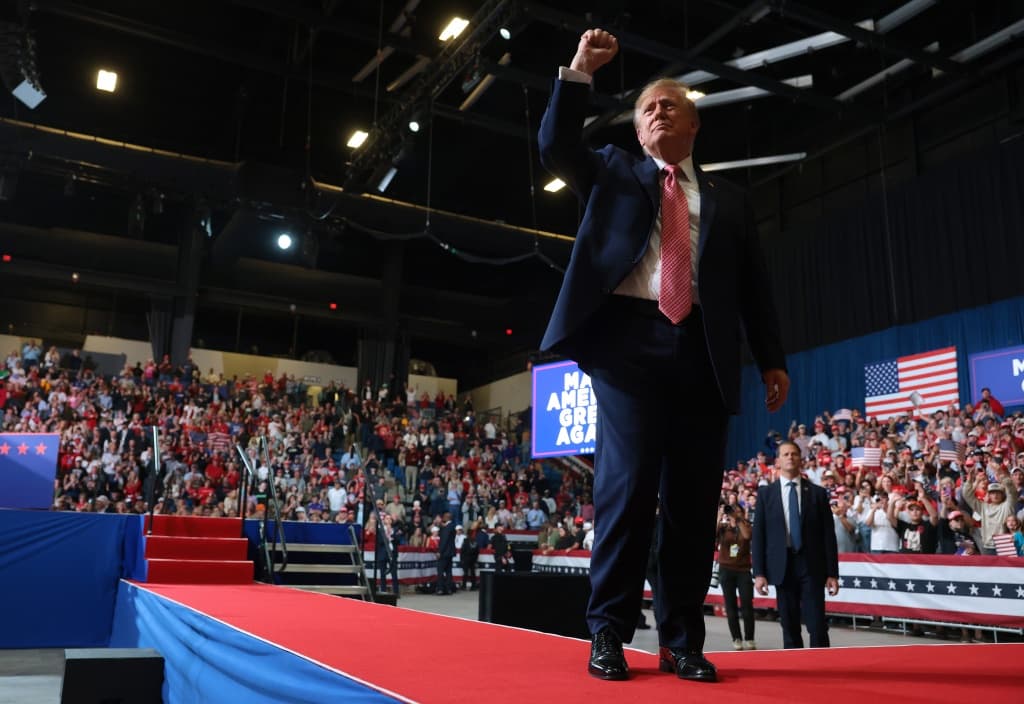
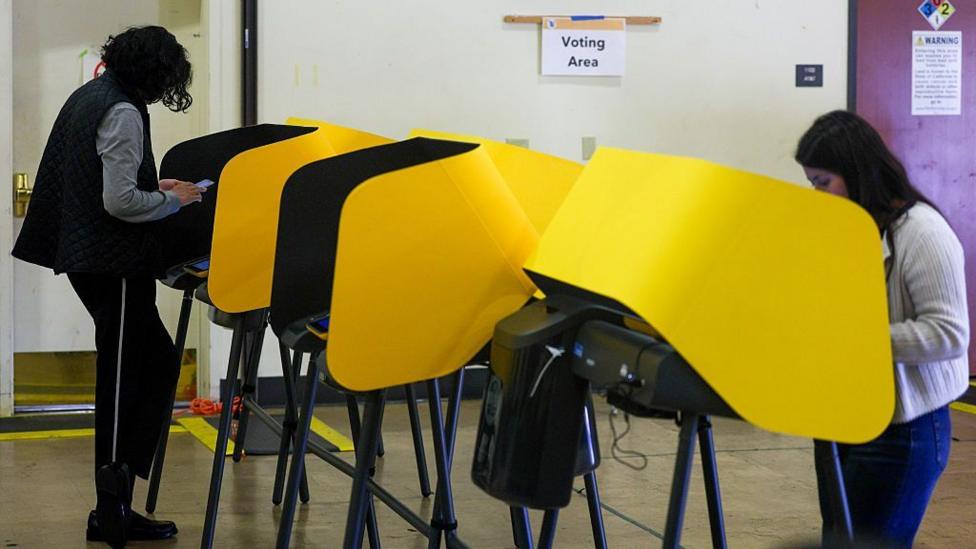 Image source, Los Angeles Times via Getty Images