The key facts
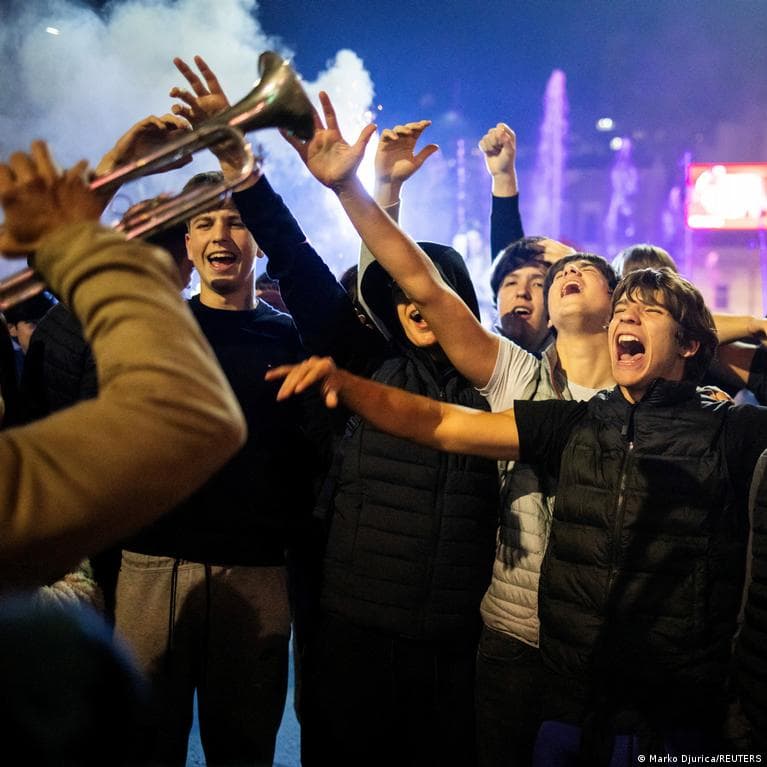
- The student list won 140 of 250 seats in Serbia's parliament; turnout was 69%
- The Hungarian group DE sent 70 observers to Serbia and shared its methods with the students
- Vučić conceded defeat at 9:30 pm — exactly as Orbán did on 12 April; Vučić denies speaking with Orbán before the announcement but confirms a later call
- Vučić conceded defeat at 21:30 — exactly like Orbán on April 12; Vučić denies speaking with Orbán before the announcement, but confirms a later phone call
The fall of two long-serving leaders, six months apart
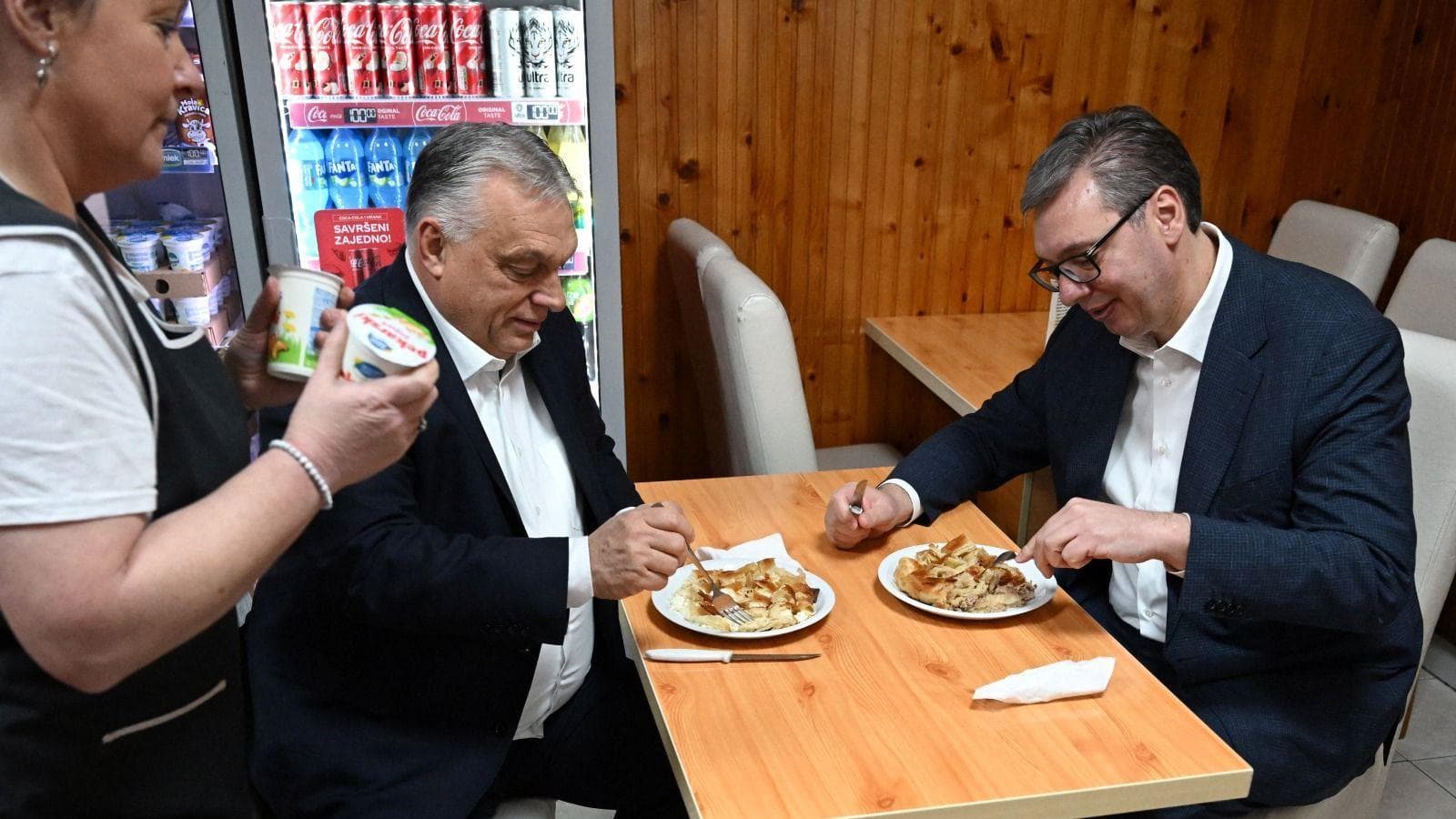
In November last year, Serbian President Aleksandar Vučić and Hungarian Prime Minister Viktor Orbán met over a burek at a bakery in Subotica and discussed a deal under which the Hungarian side would buy the Niš oil refinery. A year later, both had lost power, writes the BBC correspondent from Belgrade. Orbán lost in April to Péter Magyar's Tisza party, and this past Sunday a student movement less than two years old won Serbia's parliamentary elections by an overwhelming margin.
Shared methods: observers, AI and 'contaminated' polling stations
The movements differ outwardly: Tisza is built around the personality of its leader, while the Serbian students emphasise their lack of leadership. But the record turnout — 79% in Hungary and 69% in Serbia — was secured by tech-savvy young people who used AI tools for data analysis, identifying threats to the vote, and mobilising tens of thousands of observers. The Hungarian civic group DE held seminars for Serbian students back in the summer, and on election day sent 70 observers to Vojvodina. The key technique was identifying 'contaminated' polling stations in advance, where anomalously high results for the ruling party in previous elections pointed to pressure or 'chain voting'. Petar Klemm, a student activist from Subotica, told the BBC that around 4 pm on voting day, groups of masked thugs — Vučić supporters — began gathering outside polling stations; mobile teams filmed them, and the 20–30 volunteers at each threatened station, in his view, acted as a deterrent and prevented intimidation and falsification.
Coincidences and a disputed phone call
The coincidences of the defeats are striking: Vučić conceded defeat at exactly 9:30 pm, just as Orbán did on 12 April, although few observers expected a peaceful concession. This week, suggestions circulated that Vučić had called Orbán twice on Sunday evening — before the results were announced and at 11:15 pm — and that Orbán persuaded his ally not to use force. Vučić denies speaking before his statement but confirms the later call; Orbán himself declined to comment. Another numerical coincidence: the Student List won 140 of the 250 seats in Serbia's parliament — the same number as Tisza in Hungary's 199-seat chamber. According to the BBC, Magyar was the only European leader to call the students personally that evening; 'It is always nice to hear that the story of Tisza may have inspired other nations,' he told the outlet. The head of the Student List, Ilija Srđanović, said before the vote that the outcome of the Hungarian elections had shown them they were on the right path.
What comes next, and where Hungary fits in
Both former leaders — Orbán, 63, and Vučić, 56 — could now face prosecution for corruption and abuse of power: Serbia and Hungary have special prosecutor's offices with similar powers (JTOK and NVVH respectively), which, as the BBC notes, may prove useful to each other. The connection between the two countries also showed itself in the background of the Serbian protest movement: its catalyst was the collapse of the railway station canopy in Novi Sad on 1 November 2024, which killed 16 people and was attributed to corruption and negligence — and Hungarian companies close to Orbán had taken part in building that station. 'In Europe it was believed that the longer the Orbán and Vučić regimes stayed in power, the stronger they became. In fact, they were weakening. And once society found its voice and rose up, it was impossible to stop,' Áron Timár, the founder of the DE group, told the BBC.
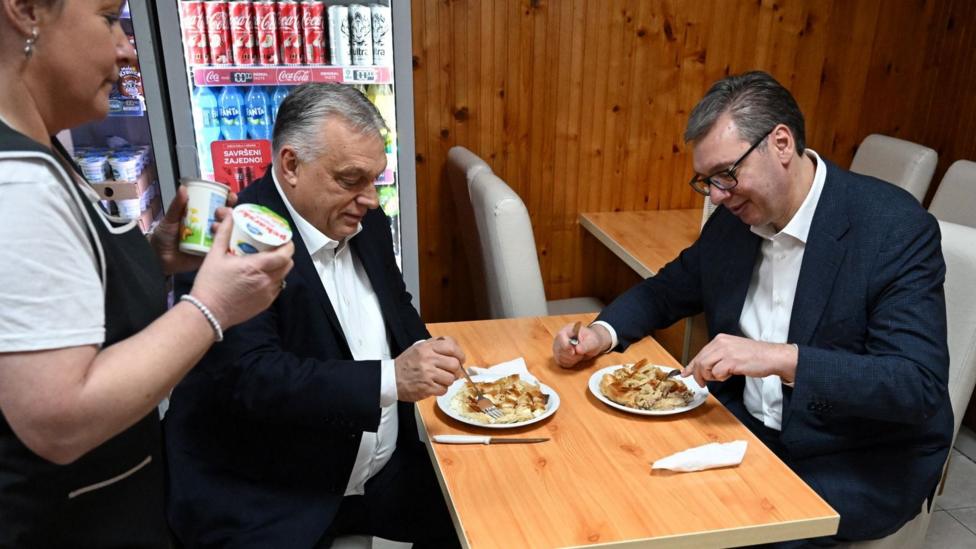 Image source, Reuters
Hungarian Prime Minister Viktor Orbán and Serbian President Aleksandar Vučiċ shared more than a taste for Balkan pastries
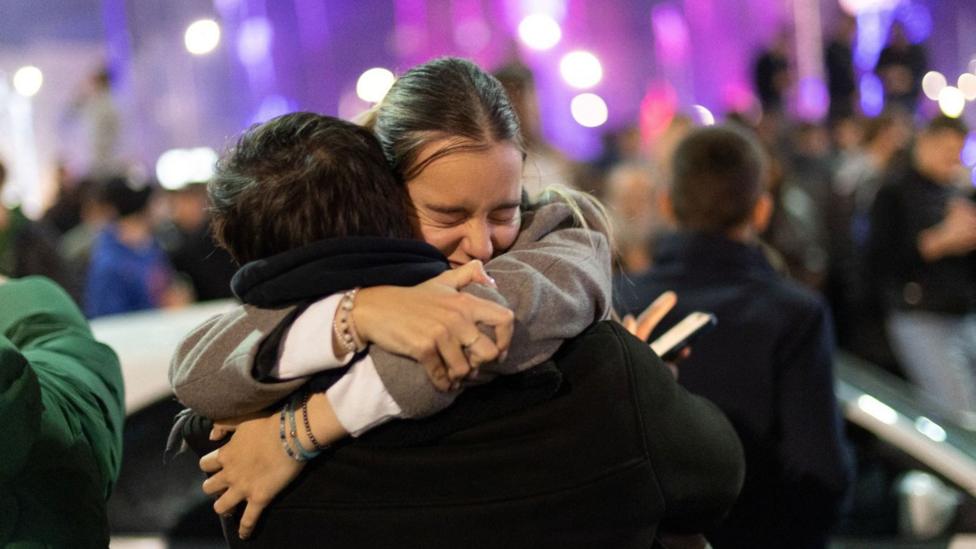 Image source, Reuters
Opposition activists from Hungary shared election monitoring techniques that contributed to the result in Serbia
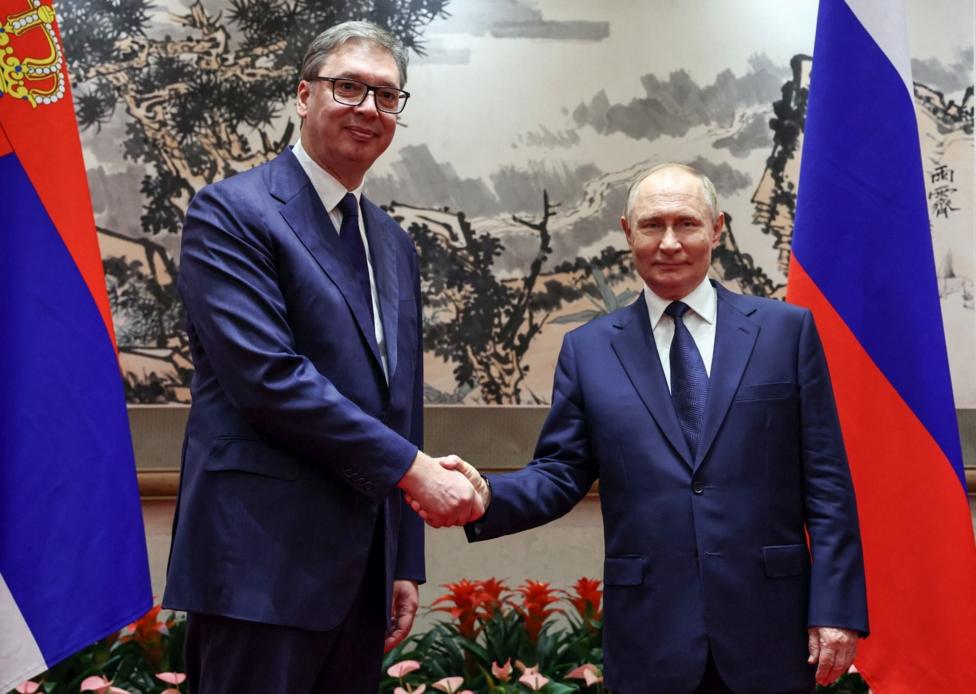 Image source, Reuters
Serbian President Aleksandar Vučiċ and his Russian counterpart, Vladimir Putin, made simultaneous visits to China in 2025
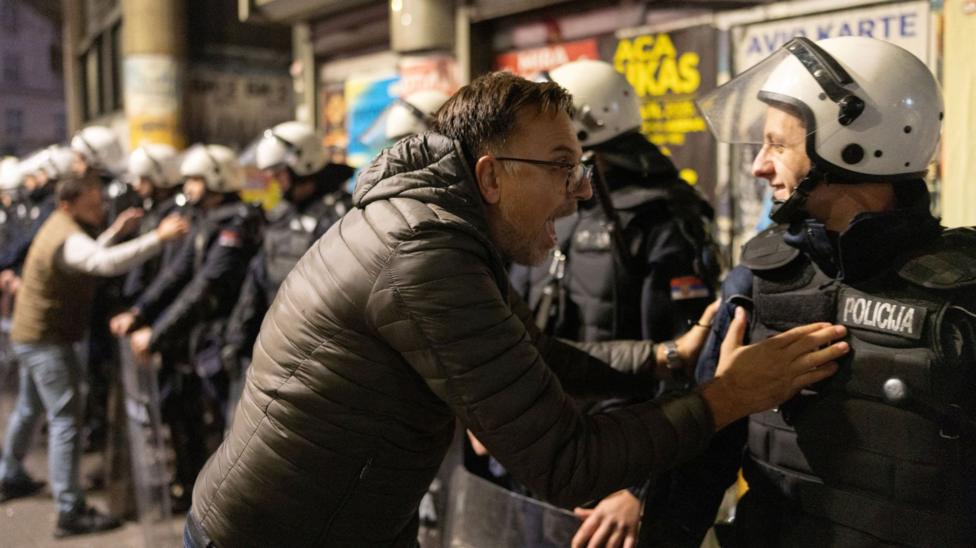 Image source, Reuters
There has been speculation that Viktor Orbán persuaded Aleksandar Vučić not to use force, during a telephone call on election day