The key facts
- Neurologist Karin Johnson reported a persistent mismatch between hormonal rhythms and solar time during daylight saving time
- In her opinion, permanent daylight saving time would intensify the negative effect due to the short winter daylight hours
- The US switched to standard time on the night of November 1; Russia abolished seasonal clock changes 15 years ago
A physician linked clock changes to a constant internal mismatch in the body
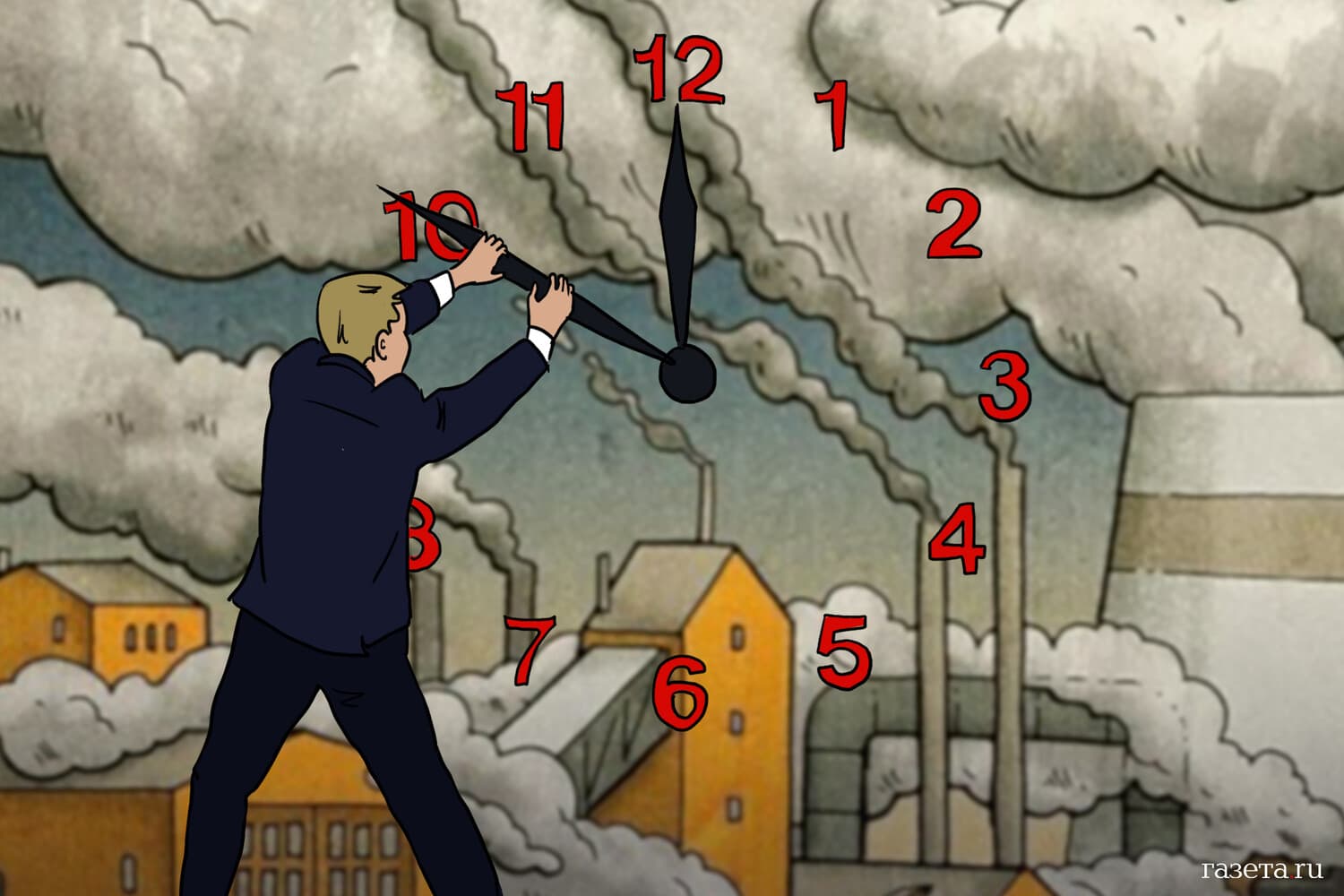
On the night of November 1, the United States switched to winter, standard time — under the current rule, this happens on the first Sunday night of November. The occasion to revisit the very practice of seasonal clock changes was a comment by Karin Johnson, a neurologist at the Baystate Medical Center in Massachusetts, which she gave to RIA Novosti; it is cited by Gazeta.Ru.
Why biological clocks do not adjust
According to Johnson, human biological clocks never fully adapt to the switch to daylight saving time. “Hormone levels in the body still correspond more closely to solar time, so a constant mismatch persists throughout the entire daylight saving period, which can negatively affect our health and well-being,” she noted. Thus, we are talking not about brief discomfort in the days around the clock change, but about a misalignment that persists for the whole season.
The physician considers permanent daylight saving time the worst option
Johnson emphasized that switching to permanent daylight saving time would make the situation worse: in winter, the negative effect would be amplified by short daylight hours and the lack of morning sunlight. This remark is relevant amid discussions about choosing a single time system: earlier, according to the same outlet, scientists explained, why countries are leaning toward “permanent” winter time, and Lithuania intends to push for a vote on abolishing seasonal clock changes in the European Union in June 2027, when it will hold the rotating presidency of the EU Council. For readers in Russia, where seasonal clock changes were abolished 15 years ago, the American physician's comment describes a problem that no longer arises in the country but persists in the US and is being discussed in the EU.