The key facts
- The Mexico City parade marks its 10th anniversary: the first took place in 2016, inspired by a scene from the film Spectre (2015)
- Authorities expected more than 500,000 guests from Mexico and abroad; the parade coincided with the Formula 1 Grand Prix in the city
- Scholars note the transformation of an 'intimate' family holiday into a mass event and the growing tourist pressure on cemeteries
The parade born thanks to Bond
The Day of the Dead is a centuries-old Mexican tradition that combines pre-Columbian customs with the Christian All Saints' Day. Historically, it is a family holiday: relatives visit cemeteries and set up altars with food and items their loved ones enjoyed during their lifetime. The parade in the capital itself, however, is a recent innovation, and its appearance is linked to cinema: the 2015 James Bond film Spectre opens with a scene in which the British spy walks through a crowd of people dressed as the dead in the center of Mexico City. This is reported by AFP.
The anniversary parade and its scale
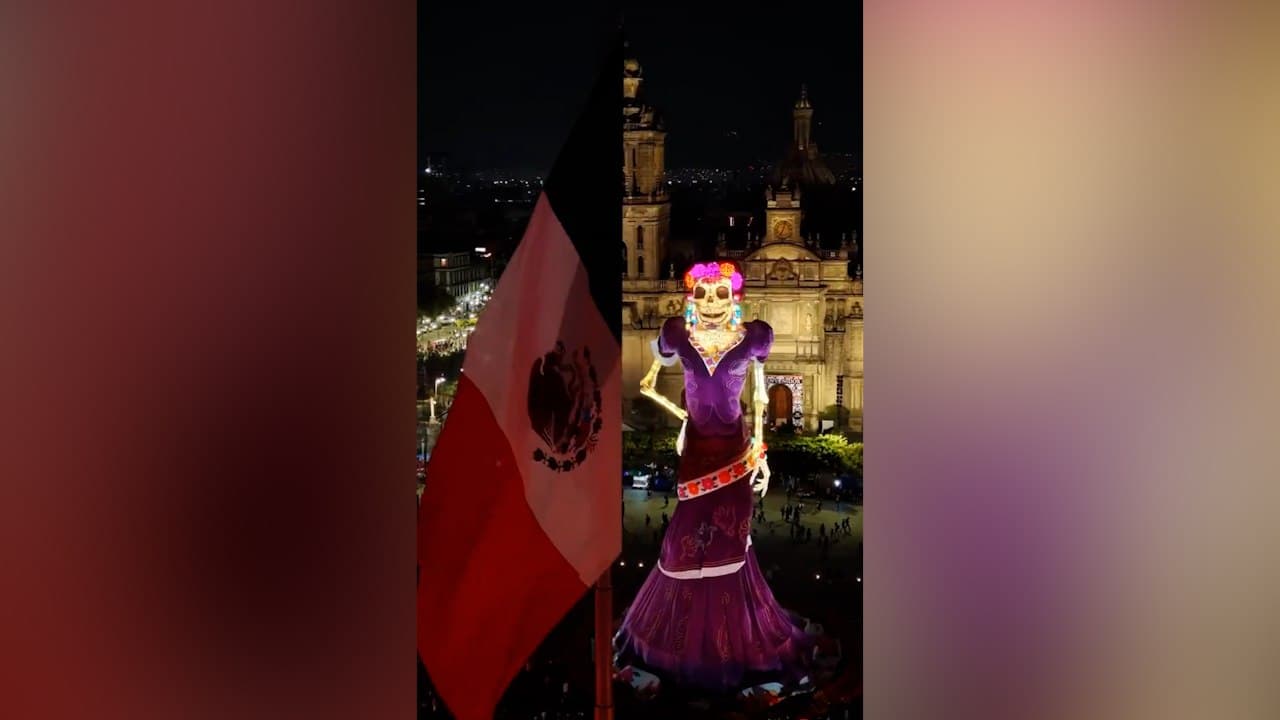
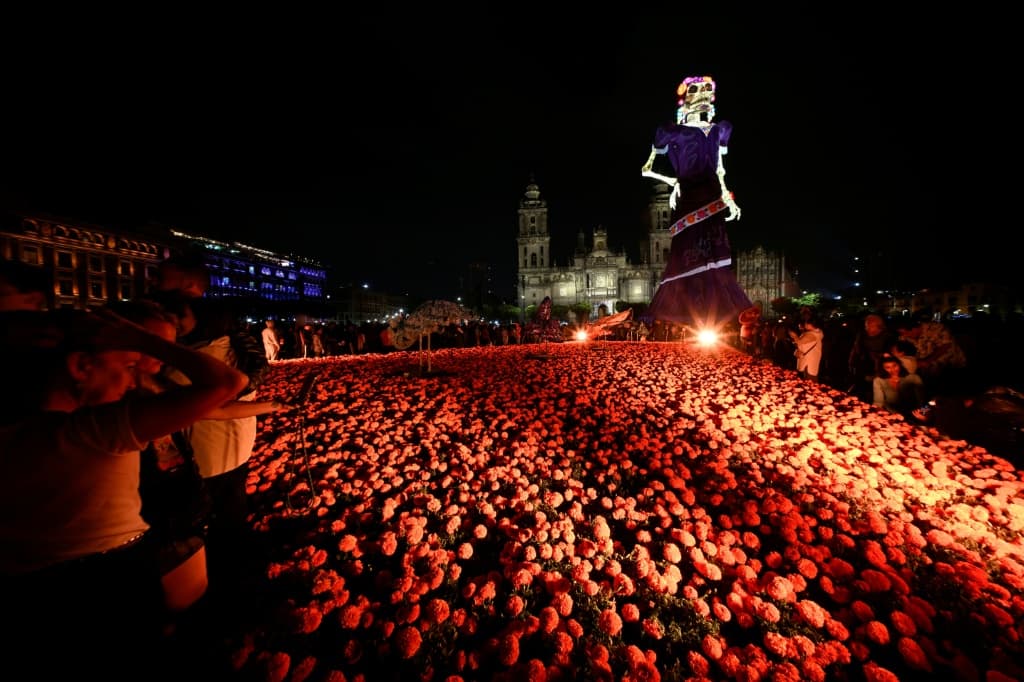
On Saturday, Mexico City's streets were filled with giant skeletons, floats, and participants wearing feathered headdresses and masks — the parade was marking its 10th anniversary. Musicians and acrobats joined the floats, giving the central avenues a carnival atmosphere. Some of the giant figures used in the Bond film had already appeared at the very first parade in 2016. Miguel Ángel Mancera, who organized the first parade while serving as mayor of Mexico City from 2012 to 2018, said the procession quickly gained popularity: 'Everyone started asking me: What about the parade? When is the parade? It was an adventure.' City authorities expected more than half a million visitors from Mexico and abroad this year; the parade coincided over the weekend with the Formula 1 Mexican Grand Prix. Part of the festive decoration was an 11-story sculpture of Catrina — an elegantly dressed female skeleton — on the Zócalo, the capital's main square.
From a family ritual to a mass event
Guests from various countries praised the spectacle. Portuguese tourist Ana Soares, 32, called the parade thrilling: 'Happy people, costumes, flowers. It's quite wild! People gather together to remember those who are no longer here but are in our hearts.' American Isabel Halsey, 37, described it as 'colorful, loud, dramatic, full of people of different nationalities and characters.' Roberto Montalvo, a scholar at the Ibero-American University, noted that what was once a 'more intimate' celebration had turned into a 'mass event.' Tourists now fill some cemeteries, competing with families for space. 'Are we adapting the visit to the ritual, or is the ritual adapting to the visitor?' Montalvo wondered.