The key facts
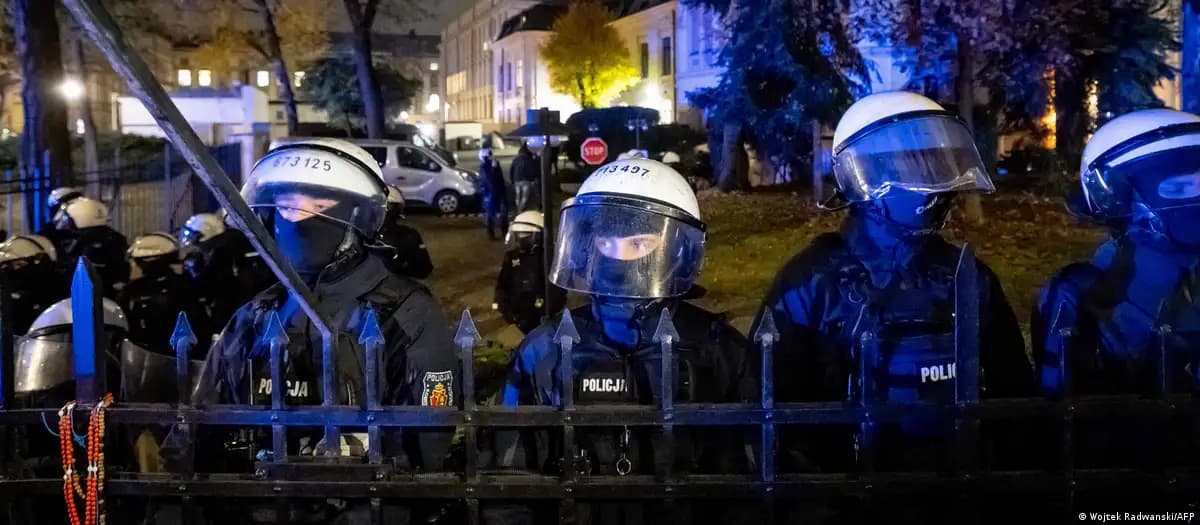
- On Friday evening, President Nawrocki attempted to enter the tribunal building amid a dispute over the appointment of judges; police cordoned off the building
- Tusk called the judges elected by the Sejm lawfully appointed and accused PiS, Nawrocki and Duda of blocking decisions
- The address contained neither an agreement with the president nor a concrete plan for ending the crisis
Address against the backdrop of the standoff at the tribunal
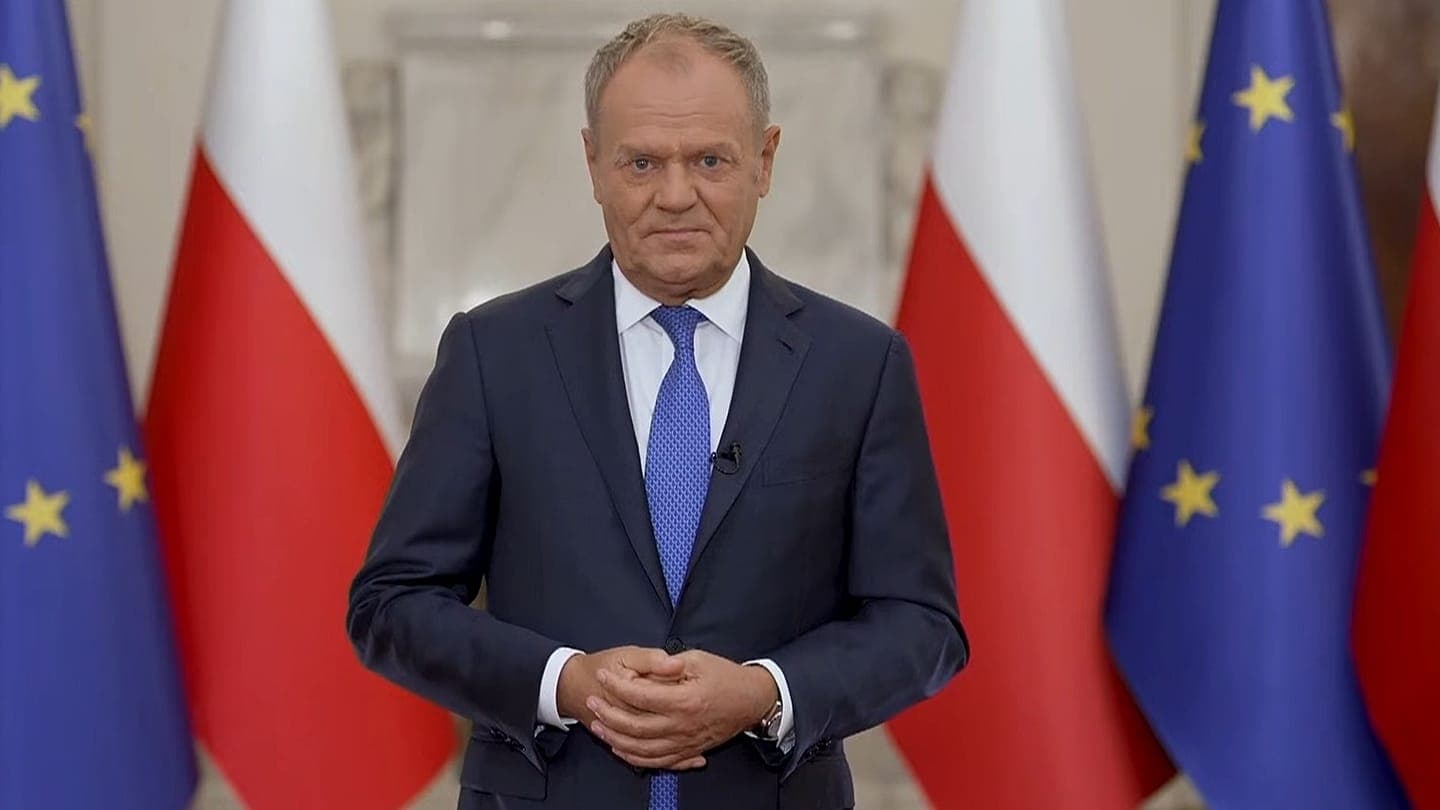
Polish Prime Minister Donald Tusk, in an evening televised address to the nation on October 31, took a hard line in the escalating conflict over the Constitutional Tribunal, stating that the rule of law 'will prevail over violence' and that 'in such matters there can be no compromise.' The address came amid an unprecedented standoff with President Karol Nawrocki, Euronews reports.
President's attempt to enter the tribunal building
The trigger for the address was Friday's events: Nawrocki, cutting short a trip to Senegal, attempted to force his way into the tribunal building amid a deadlock over the appointment of new judges. Police cordoned off the building, and the standoff itself was broadcast live. The opposition accused Tusk's government of attempting a coup; the authorities, for their part, describe what is happening as reforms needed to restore the rule of law after years of rule by the Law and Justice party (PiS).
The essence of the dispute over judges
Tusk laid out his version of the crisis: the ruling majority proposed legislative solutions, but they were blocked by PiS and the president, after which the Sejm waited for the terms of the judges appointed under the previous government to expire. 'The Sejm made its choice, the judges took the oath, but the president deigned not to accept it,' Euronews quotes him as saying. The judges who took the oath were unable to take up their duties: Nawrocki did not formally accept the oath, and the tribunal's chairman, Bogdan Święckowski, refused to admit them to work. According to Life.ru, Tusk blamed the protracted crisis on PiS, Nawrocki and his predecessor Andrzej Duda, accusing them of destroying the rule of law.
Background and what comes next
The dispute over the tribunal's legitimacy itself dates back to 2015, when Civic Platform and PiS clashed over the appointment of five judges; since then the conflict has grown into a broader confrontation over the independence of the courts and the authority of the tribunal's rulings. Tusk also warned that pro-Russian groups could exploit the conflict, pointing, in his assessment, to the work of Russian bots in support of opponents of the current constitutional order. At the same time, as Euronews notes, the address contained neither a concrete agreement with Nawrocki nor a detailed plan for resolving the crisis. Former Austrian Foreign Minister Karin Kneissl suggested that in Poland a state of emergency could be declared, calling the situation unprecedented — this is her assessment, not an official statement by the Polish authorities.