The key facts
- Ranasinghe has spent three years in the Cook Islands with no way to fly home
- Ranasingha has spent three years in the Cook Islands with no way to fly home
- Three New Zealand transit visa applications and four Australian ones have been declined
- Sri Lanka says it is taking measures for her return
- Sri Lanka says it is taking steps to bring her back
How a woman ended up trapped on islands in the Pacific
Ruchira Ranasinghe, a 50-year-old Sri Lankan citizen, has been unable to leave the Cook Islands in the South Pacific and return home for three years now. This is reported by BBC News citing her own words and correspondence that journalists have seen. She left Sri Lanka in 2018 after being forced to close a small T-shirt factory due to falling revenue and being unable to repay her loans; she worked as a caregiver in Hong Kong. According to her brother, the woman's husband, who suffered from drug addiction, died about seven years ago.
The consultant's advice that turned into a trap
In December 2022, Ranasinghe arrived in New Zealand on a two-month visitor visa and, she says, applied for asylum, citing threats from creditors back home. She received an 'open work visa' as an asylum seeker and took a job at a restaurant that agreed to sponsor a work visa — but that application was declined, because asylum seekers in New Zealand generally cannot apply for other visas while their case is being considered. She then claims the firm Immigration & Secretarial Services advised her to apply for a work visa from abroad. In correspondence seen by the BBC, the firm's manager Sylviane Gallan promised to start the process immediately after her departure. Ranasinghe flew to the Cook Islands, the application was declined again, and the departure itself violated the conditions of her current visa: New Zealand authorities made it clear they would not issue new visas. According to the woman, Gallan eventually admitted the situation was her fault and said she 'could do nothing more.' The BBC contacted Gallan but received no response.
No country will grant transit
There turned out to be no flight home: flights to Sri Lanka go through New Zealand or Australia, and both countries refuse transit visas. Three applications to New Zealand and four to Australia have been declined. Immigration New Zealand told the BBC it had declined all applications 'because we were not satisfied that she has a genuine intention to transit through New Zealand'; the immigration minister's office explained that an offer to fly 'in handcuffs, restrained and gagged' does not solve the problem — such measures do not prevent a person from applying for asylum. Australia's Department of Home Affairs declined to comment on the specific case, citing the requirements of the Migration Act 1958. Alternative routes — via Tahiti and Hawaii — require biometrics to be submitted in advance, which can only be done in person in New Zealand. Auckland immigration law specialist Alastair McClymont believes the authorities will not grant transit because, in their logic, a woman who applied for asylum citing threats to her life at home has no intention of returning to Sri Lanka, and New Zealand coordinates decisions with Australia; France and the US, in his view, would reach the same conclusions.
Family and diplomats
Life on the islands depends on the kindness of those around her: a hotel has provided her with staff accommodation free of charge, locals give her food and clothing, and one of the hotel's directors gave her a sewing machine, on which she earns a little money. But, she says, the stress is affecting her health, and she fears that 'something will happen to her.' Her son — her only child — is getting married in November, and her mother, according to the woman, keeps being hospitalized from worry. Her brother told BBC Sinhala that the family had appealed 'through every possible channel' but without result, and that in one conversation her sister said: if they are not prepared to bring her home alive, let them at least repatriate her body. Sri Lanka's Foreign Ministry told the BBC that it 'is taking all necessary measures to facilitate her return' and that staff at the country's high commission in Wellington are working on this with New Zealand authorities. So far, however, there are no confirmed signs of a resolution: all recent visa applications have been declined, and Ranasinghe still has no real route home.
 Image source, Supplied
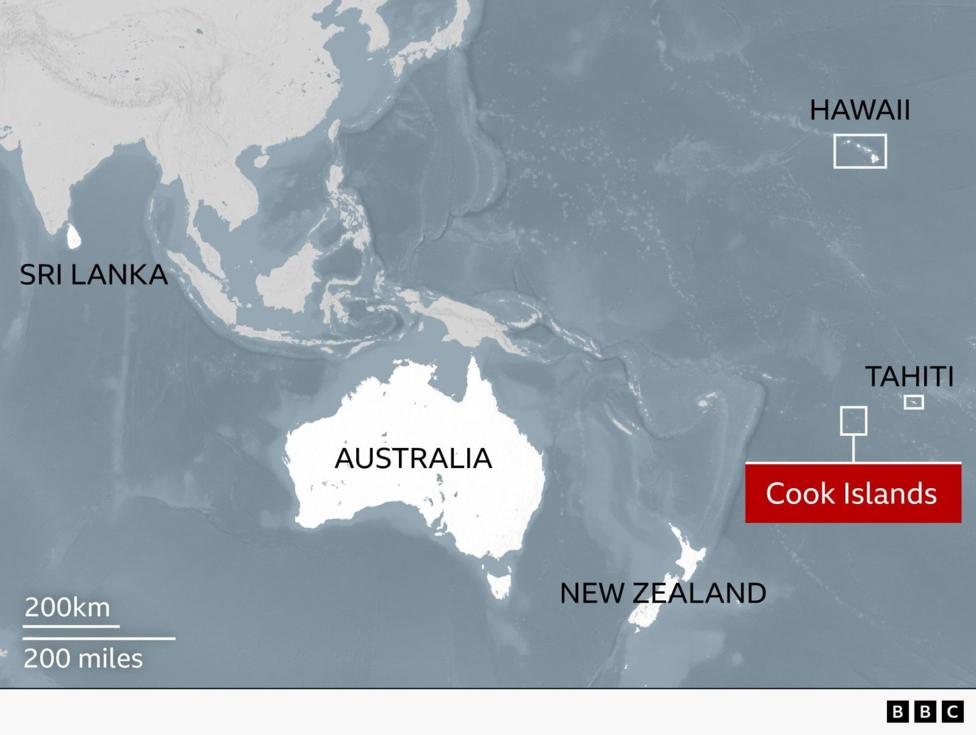
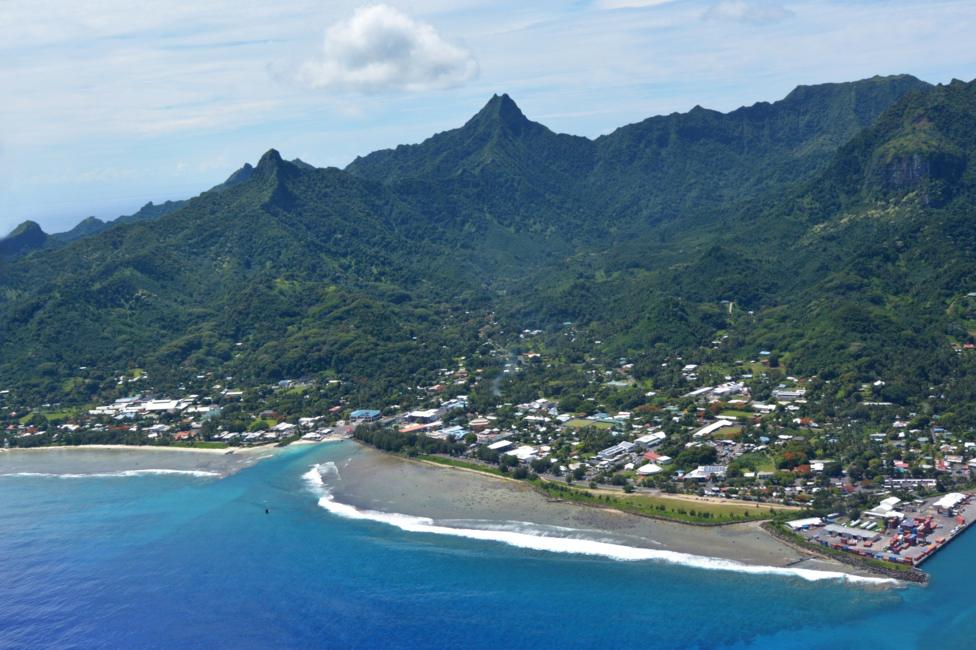 Image source, AFP via Getty Images
The Cook Islands is known for its beaches and volcanic peaks - but Ruchira Ranasingha is an involuntary guest
 Image source, Supplied