The key facts
- Shares of CoreWeave, Nebius, IREN and Applied Digital lost about a quarter of their value over the past month
- Gartner predicts that by 2030, 80% of neocloud firms will cease to operate independently
- Gartner predicts that by 2030, 80% of neocloud firms will cease operating independently
- Scott Bessent called neocloud companies 'a small component of the ecosystem', while Elon Musk predicted 'death and consolidation' for more than 200 firms
- Scott Bessent called neocloud companies “a small component of the ecosystem,” while Elon Musk predicted “death and consolidation” for more than 200 firms
What are neocloud companies and why are they being debated
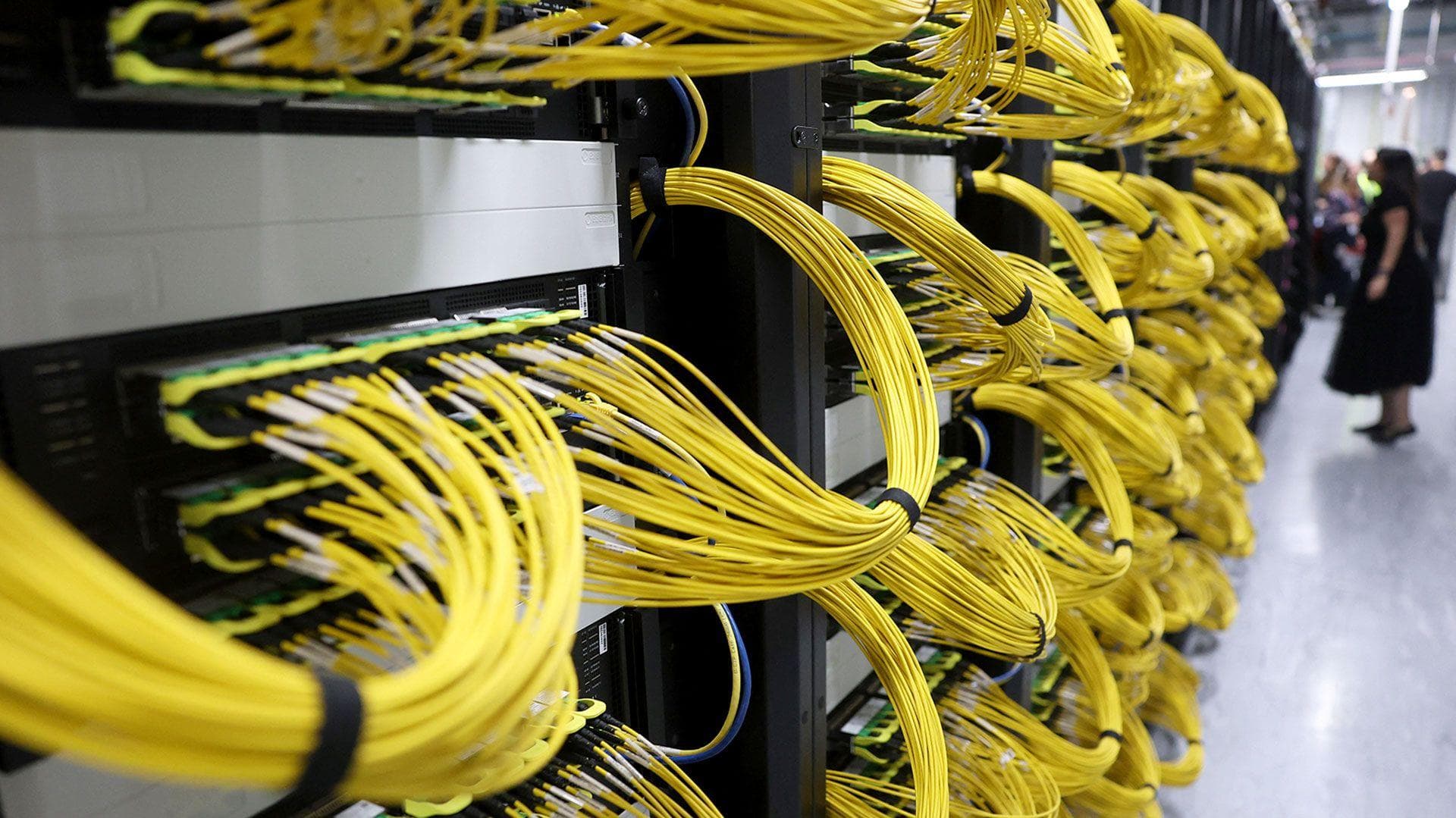
A small but noticeable segment of the AI industry — the so-called neocloud firms — has become the subject of one of the hottest debates in Silicon Valley. These are companies that operate large warehouses full of expensive computers, which they rent out to major AI developers such as Anthropic, OpenAI and Meta. This is reported by BBC News citing an analysis by the publication's North America technology correspondent.
The debt model and investor reaction
The financial model of such companies is built on long-term lease contracts with large technology clients: these contracts and the purchased AI chips serve as collateral for loans. Analyst Cory Johnson of the research firm The Quiet Period explains that debt is common in the industry because equipment has to be paid for upfront. According to him, lenders sometimes rate the creditworthiness of CoreWeave's clients — Microsoft or Meta — higher than that of the company itself, which helps explain how CoreWeave accumulated $35.1 billion (£26.3 billion) in debt. Investors appear nervous: over the past month, CoreWeave shares lost a quarter of their value, and Nebius, IREN and Applied Digital lost roughly the same amount or more. Debt investors are demanding ever higher yields. CoreWeave CEO Mike Intrator called the market's behaviour 'irrational' and expressed confidence in the company's business model.
Forecasts and the industry's origins
Analysts' opinions differ in detail but converge on the expectation of consolidation: Gartner experts predict that by 2030, 80% of neocloud firms will 'cease to operate independently', while Forrester specialists expect at least three of them to be absorbed soon 'amid weakened finances'. Many companies in the industry have roots in cryptocurrency mining: CoreWeave was founded in 2017 with a focus on Ethereum mining, and IREN, Core Scientific and Applied Digital started out similarly — their infrastructure proved in demand after the explosive growth of AI in 2022 with the launch of ChatGPT. The exception is Nebius, formerly Yandex NV, which separated from the Russian 'Google analogue' and changed its name in 2024.
Dependence on major players and recent signals
The success of neocloud firms depends on the fate of major AI developers and hyperscalers. Last week, when Microsoft and Google forecast lower AI spending than Wall Street analysts expected, shares of several neocloud companies fell. Much also depends on Anthropic and OpenAI, which are expected to begin public share offerings in the coming months. Melissa Otto, head of Visible Alpha Research at S&P Global, described current spending as an 'arms race'. Forrester vice-president and principal analyst Charlie Dai called the 'greater financial risk' the price neocloud firms pay for their model whenever anything changes, including spending adjustments by their Big Tech clients.
Views on the sector's future
Elon Musk suggested in a recent social media post that rising borrowing costs could lead more than 200 neocloud companies to 'guppy-level death and consolidation', adding: 'Some will survive, but few.' Analysts at Yorkville Ives, by contrast, note that demand for computing power still exceeds supply, and that neocloud firms fill an important niche unavailable to larger data centre operators. Among recent negative signals, BBC cites Microsoft's cancellation of a deal with the British company Nscale due to power supply problems that could last until 2030, and the decision by Australia's Firmus to postpone its IPO plans. US Treasury Secretary Scott Bessent, speaking on CNBC, tried to downplay concerns, calling neocloud firms 'a small component of the overall ecosystem'. These developments come against the backdrop of public discontent with data centres and questions about how much real benefit AI brings to productivity.
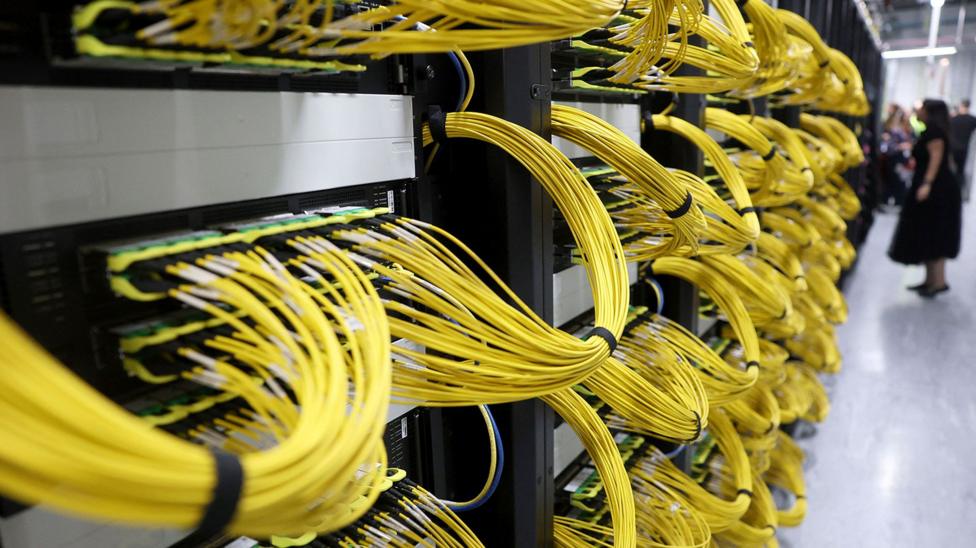 Image source, Reuters