The key facts
- Data centers and AI have become a prominent issue in the US midterm elections on November 3, 2026
- Data centers and AI have become a prominent topic of the US midterm elections on November 3, 2026
- Nearly $200 billion in projects were delayed or blocked in the first half of 2026 due to protests (Data Center Watch)
- Nearly $200 billion worth of projects were delayed or blocked in the first half of 2026 due to protests (Data Center Watch)
- A number of states, including Virginia, Pennsylvania, and Georgia, are considering new restrictions and transparency requirements
An election issue unexpected for New York
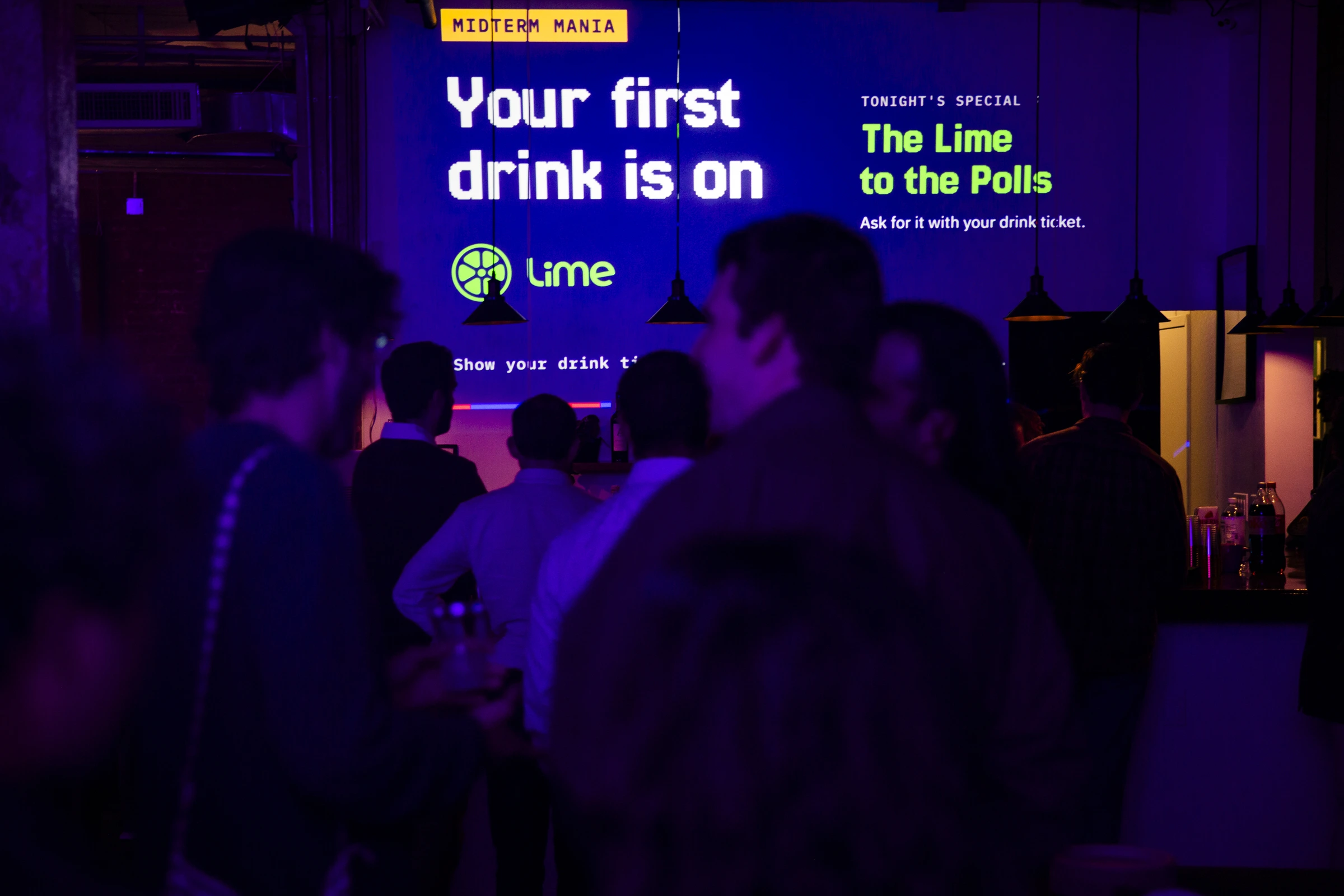
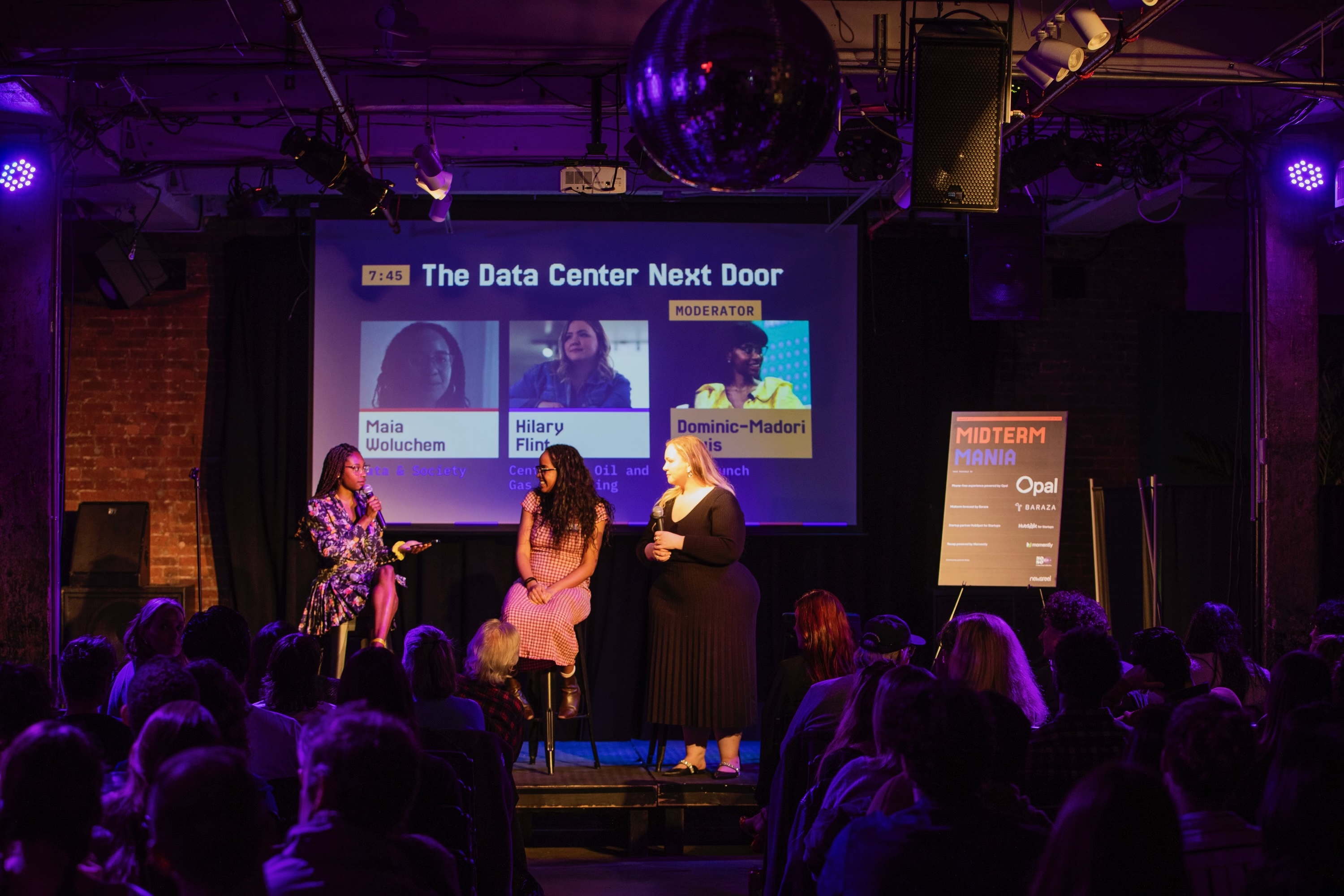
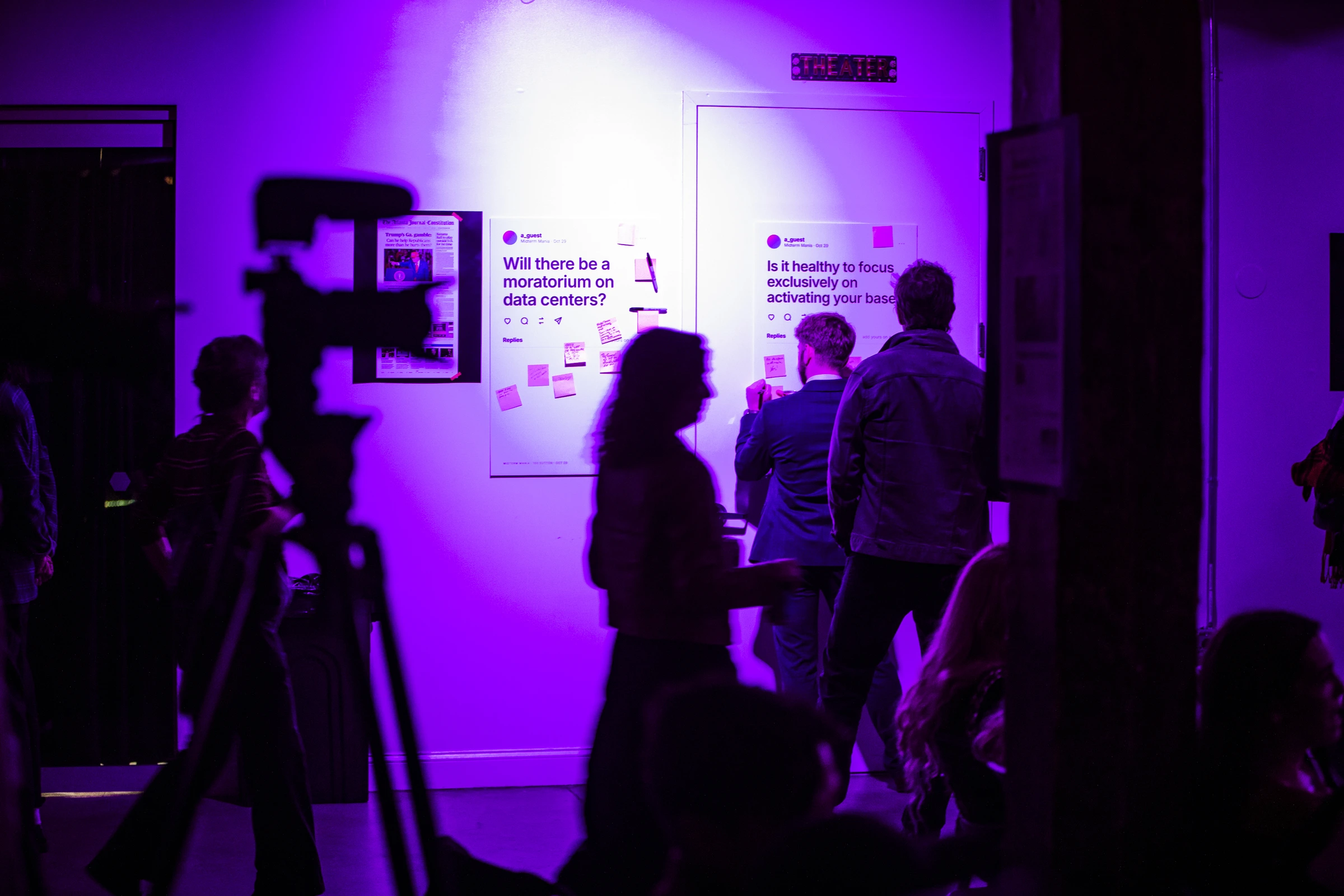
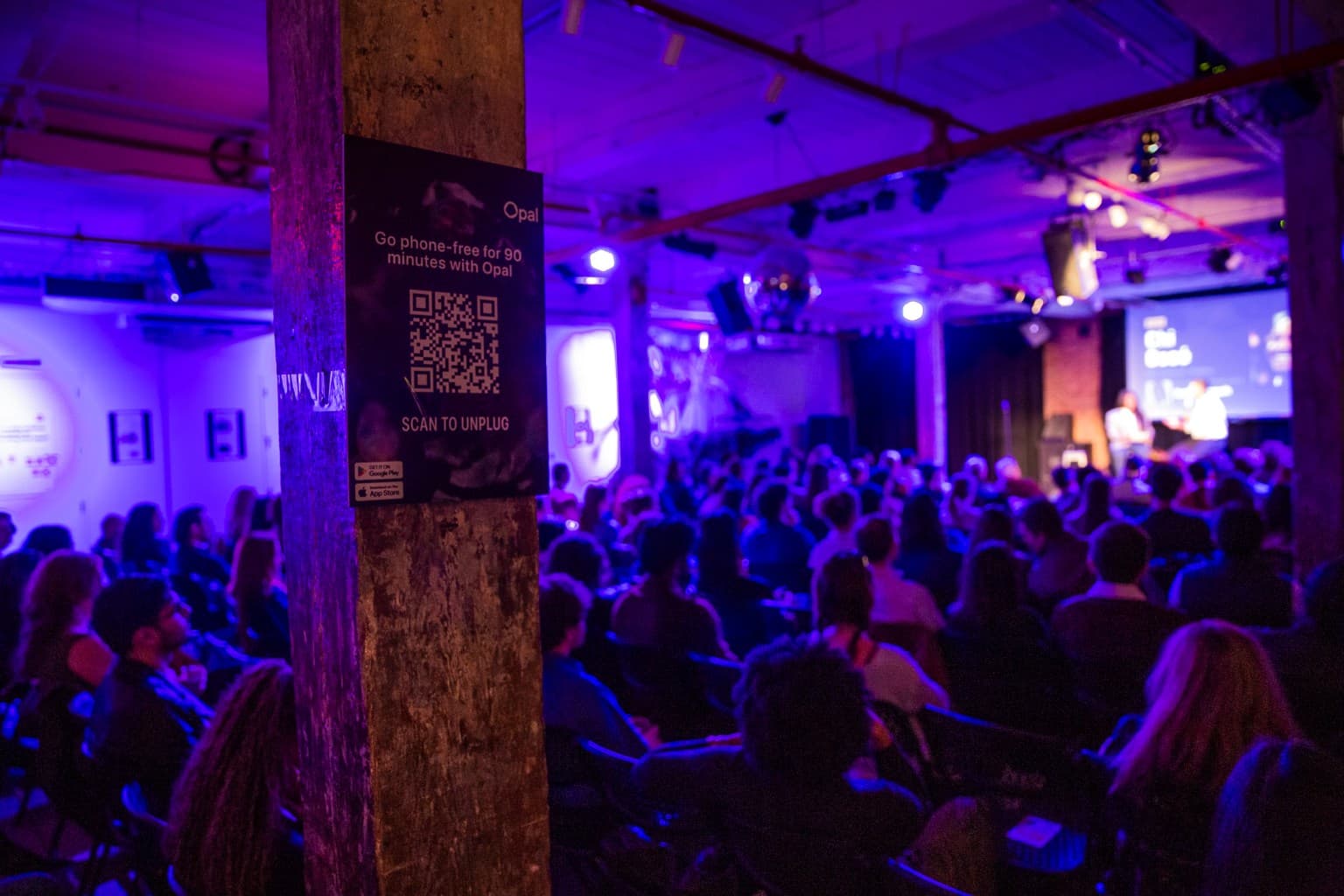
Five days before the midterm elections on November 3, the media company Newsreel held an election-eve evening with panels and fire chats in a Brooklyn warehouse space. According to the TechCrunch reporter who moderated the panel on data centers, by the end of the evening almost all conversations — both on stage and in the hallways — came down to AI, data centers, and frustration with the growing 'technocratic' influence. Newsreel founder Jack Brewster noted that the topic came up in every on-stage speech and was the second most frequent in questions from registered guests, even though data centers themselves are barely visible in New York. In his words, in rural communities the protests are tied to a sense of displacement, while in Brooklyn they revolve around the question of 'who gets rich off this.'
The scale of the pushback
Context is provided by a Data Center Watch report: nearly $200 billion worth of data center projects were delayed, paused, or blocked in the first half of 2026 due to political and public resistance. Pennsylvania, Georgia, Texas, New York, and Virginia are considering additional safeguards and transparency requirements amid rapid construction; in Virginia alone, already called the 'data center capital of the world,' hundreds of new facilities are planned.
What the panels argued about
Participants in the discussions highlighted several recurring complaints: large tech companies, residents believe, strike closed-door deals with local officials to build billion-dollar facilities, while existing zoning rules sometimes make it impossible to understand what exactly is being built until it is too late to protest. Added to this are concerns about environmental and health risks and a sense of losing control over one's own communities. New York City Council member Chi Ossé said before the panel that he barely uses AI himself, but argued for greater accountability from tech company executives and higher taxes on trillionaires: in his words, when CEOs talk about a technology capable of 'draining 10% of human civilization,' they 'should be called to testify before Congress.'
Jobs and a split among allies
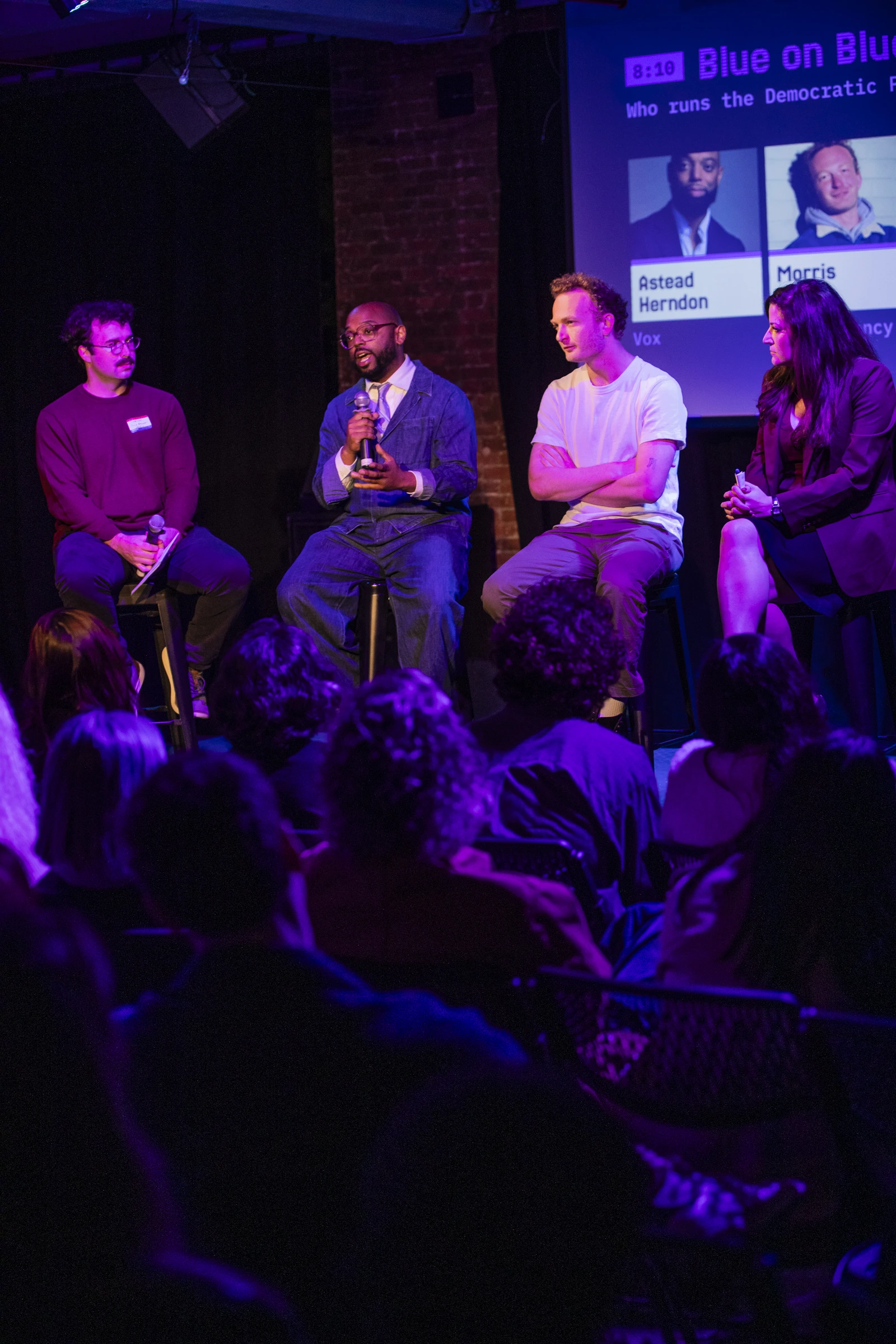
The topic divided even potential allies. NewsNation host Batya Ungar-Sargon noted that some unions support data centers because of promised jobs, but, as research shows, these jobs mostly arise during the construction phase and do not become permanent once construction is complete. She drew a parallel with the Rust Belt, where pride in vast factory buildings was tied to the fact that 'everyone worked there.' Political strategist Morris Katz, who worked on Zohran Mamdani's campaign, was skeptical: 'These are the same people who took away so many union jobs… now they are coming back to essentially finish the job and grab the remaining crumbs.' Vox journalist Astead Herndon added that Vivek Ramaswamy was booed in Ohio over a similar argument, and emphasized the 'lack of consensus' among Republicans in such places.
A symbol of a broader anxiety
The panelists concluded that data centers have become a physical embodiment of people's fears and anger toward the tech class and the pace of change. Environmental and public health advocate Hilary Flint, when asked about benefits for communities, answered rhetorically: 'What is life worth?' — and added that people keep protesting because they 'value their lives a little more than a temporary check.' Also telling is a detail from the personal story of a software engineer from Southern California: in her native Chinese immigrant community, neighbors put up lawn signs depicting a dragon strangling a data center — and these signs have already been translated into other languages. Beyond the main theme, the evening offered a side signal as well: according to one guest, AI art is starting to be seen as a marker of cheapness, so luxury brands are moving in the opposite direction — Prada's holiday campaign is built on hand-drawn illustrations, and Hermès is promoting artists' handwork on Instagram.