The key facts
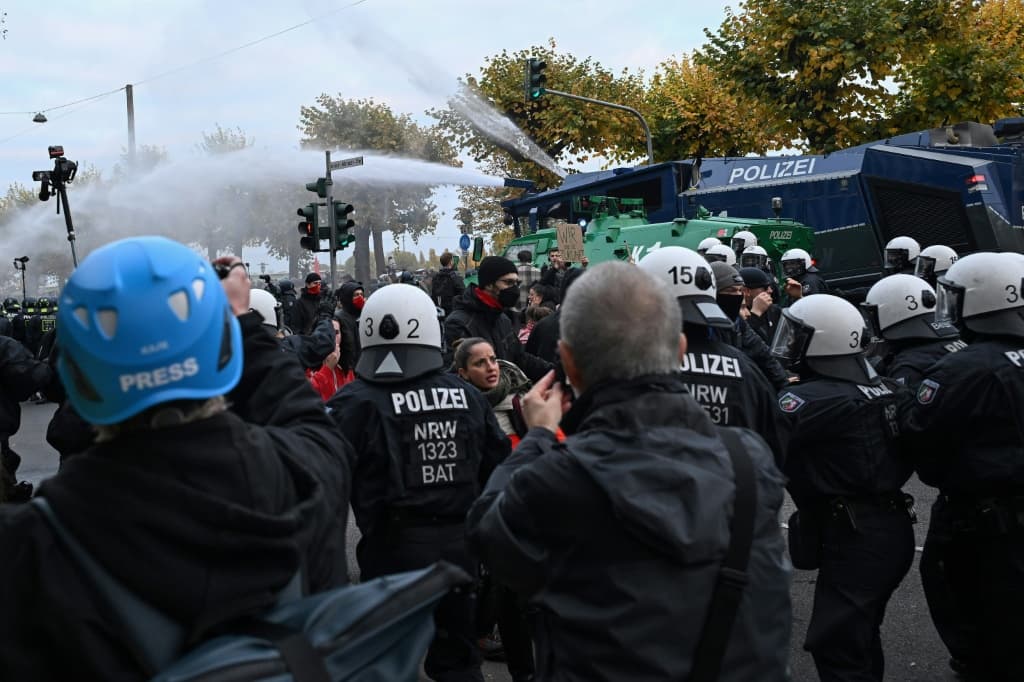
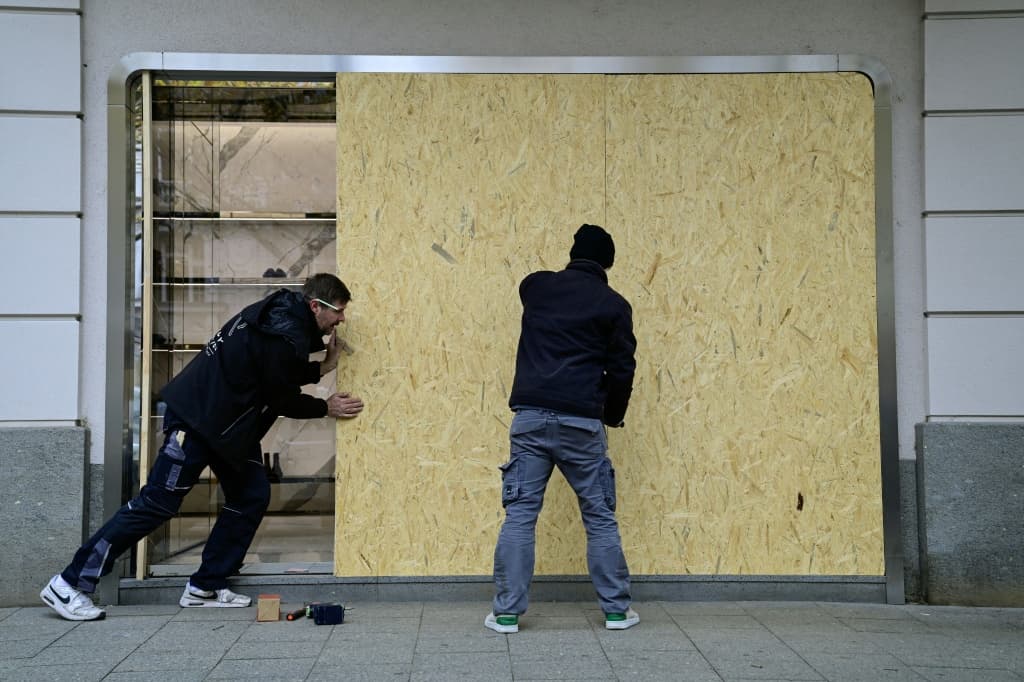
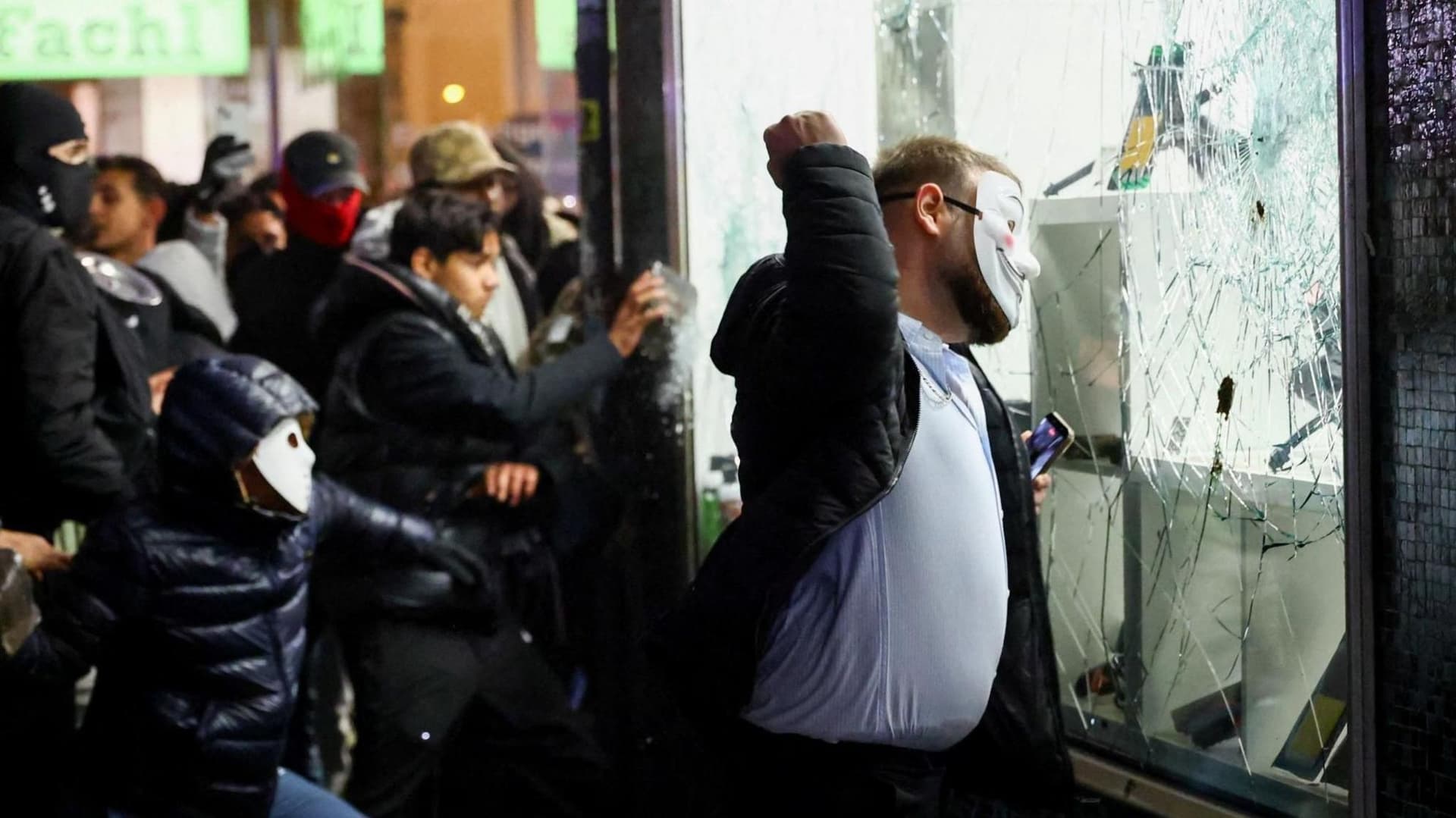
- In Frankfurt, Berlin, Cologne and Hamburg, riots broke out in the evening after peaceful demonstrations: shop windows were smashed and water cannons were used
- Thousands of people took part in the actions; the authorities counted up to 18,000 participants in three cities — roughly half the organisers' estimate
- The protests were organised by the group Gen Z regelt; in France on the same day, according to the BBC, more than 320,000 people demonstrated
From peaceful marches to night riots
On Saturday, mass demonstrations took place in several German cities against the cost of living, underfunded schools, cuts to public spending and military conscription, organised by the campaign Gen Z regelt ('Generation Z takes charge'). During the day the actions were mostly peaceful, but in the evening riots broke out in Frankfurt — the country's financial centre — with looting of shops, smashed windows, including those of a gun store, and Molotov cocktails thrown at emergency services, the city's police reported on X. Clashes with police also occurred in Berlin, Cologne and Hamburg, where water cannons were used to disperse demonstrators who pelted officers with fireworks, stones and bottles. There were 'many arrests' in Frankfurt, a police spokesperson said; after one suspect was detained, two weapons were seized.
Numbers and demands
The authorities in Frankfurt, Munich and Berlin estimated the number of participants at around 18,000 — about half the figure the organisers had listed on their website. Gen Z regelt spokesperson Lina Friedrich said the demonstrations were aimed 'at fighting for peace and freedom, not for war and coercion', and named better support for healthcare and education systems, the abolition of compulsory military service and a 'fair distribution of the burden' as the main demands.
The authorities' response and the French context
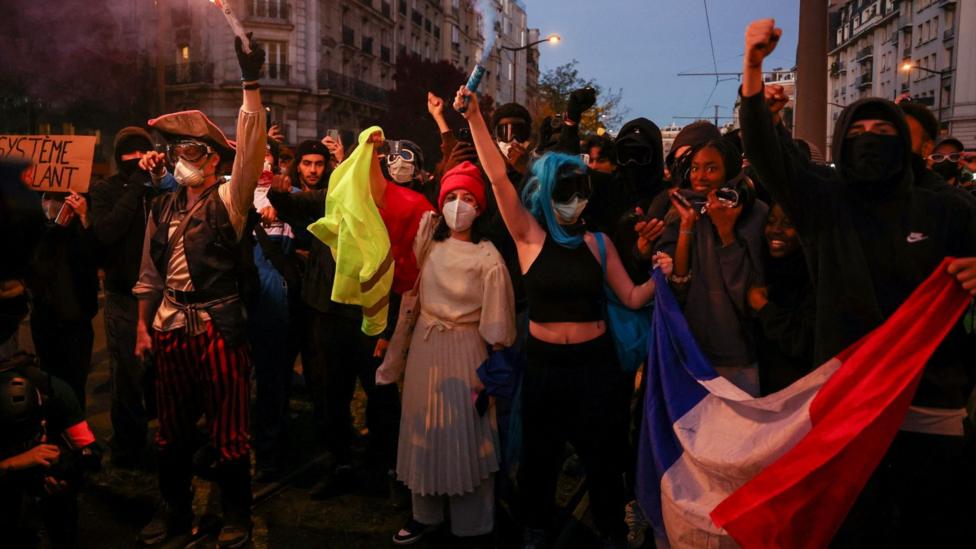
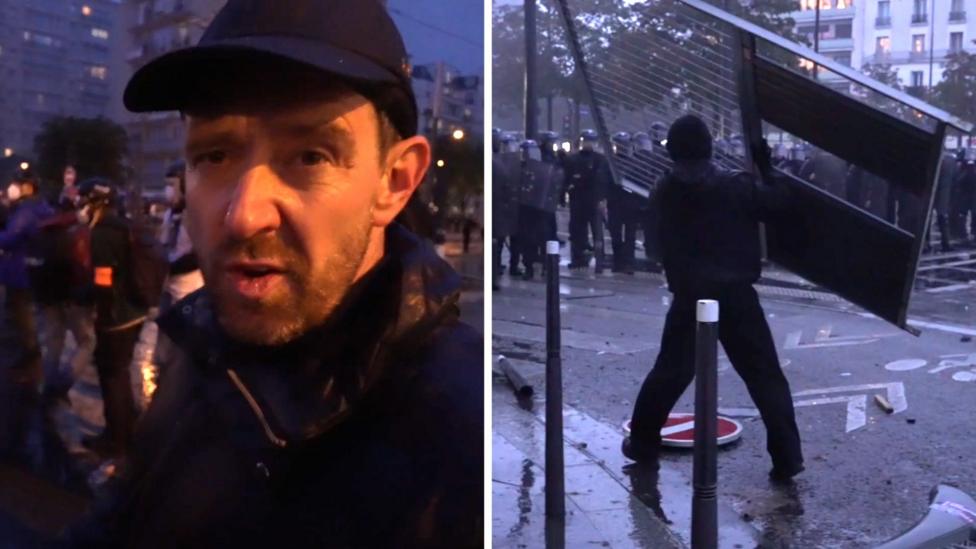
Hesse's interior minister Roman Poseck stated that around 100 clearly identified left-wing extremists had 'infiltrated' the action in Frankfurt, calling the end of the protests 'shameful'. In his words, 'France should not serve as an example in this respect' — referring to looting, arson and attacks on police officers. The riots in Germany followed similar youth protests in France, where, according to the BBC, more than 320,000 people demonstrated on the same day; in Paris protesters clashed with police, who used tear gas. The editorial team notes: both waves are united by a youth agenda — the cost of living and social spending — but the organisers and specific demands differ between the two countries, and the BBC separately raises the question of what actually unites Europe's youth.
 Image source, Reuters