The key facts
- During the day, the protests in Germany were peaceful; clashes began in the evening in Frankfurt, Hamburg, Cologne, Leipzig and Bonn
- The 'GenZ regelt!' movement claimed 120,000 participants and rejected violence
- Police reported several arrests and injured officers; the union noted that major property damage was avoided
Peaceful by day, clashes by night
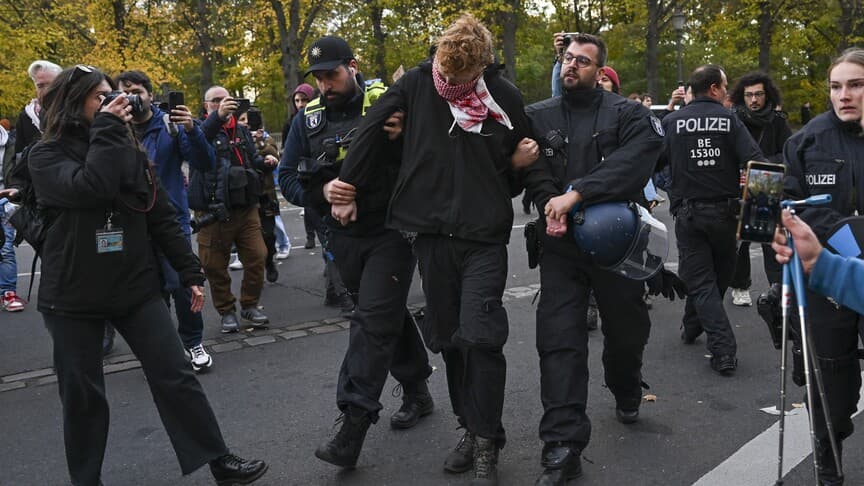
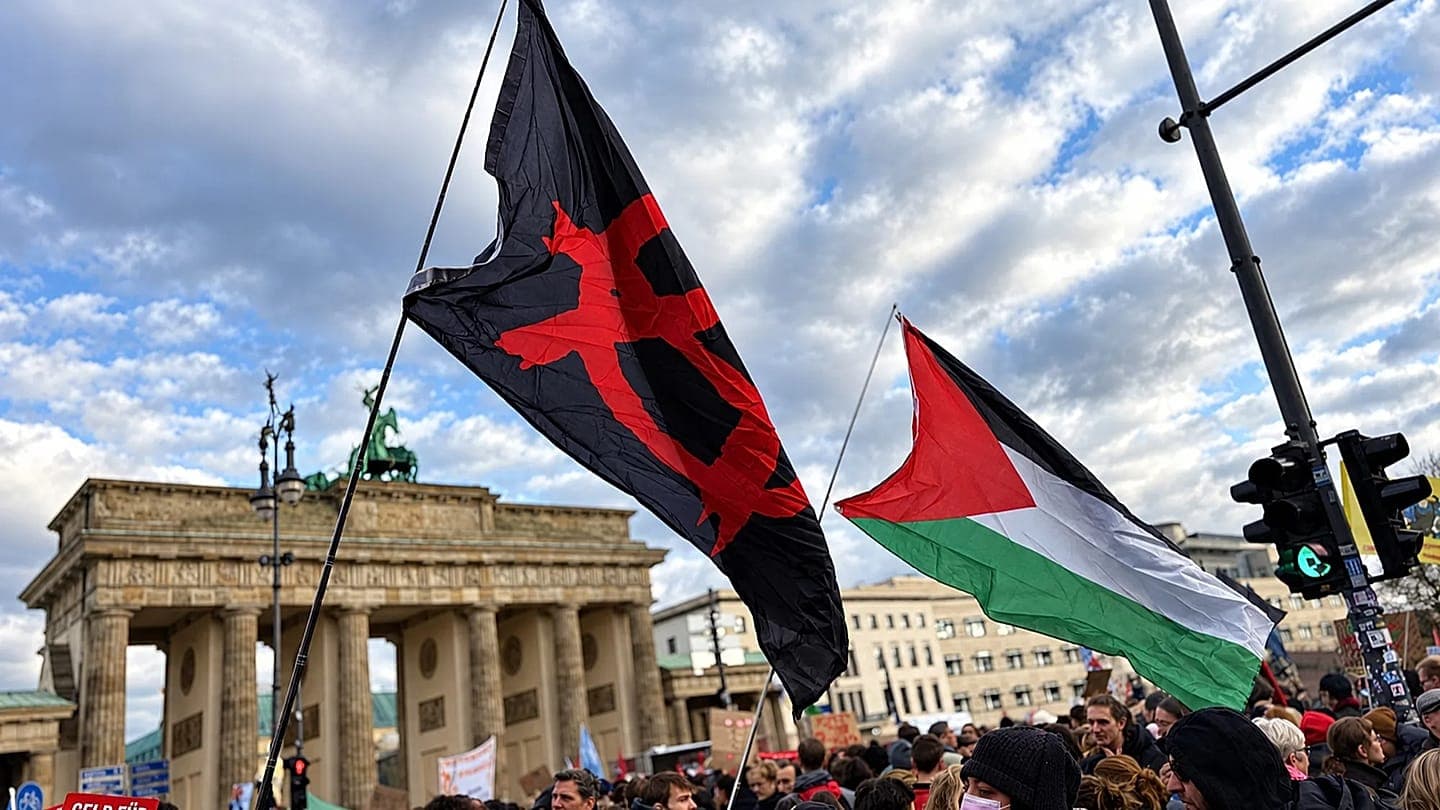
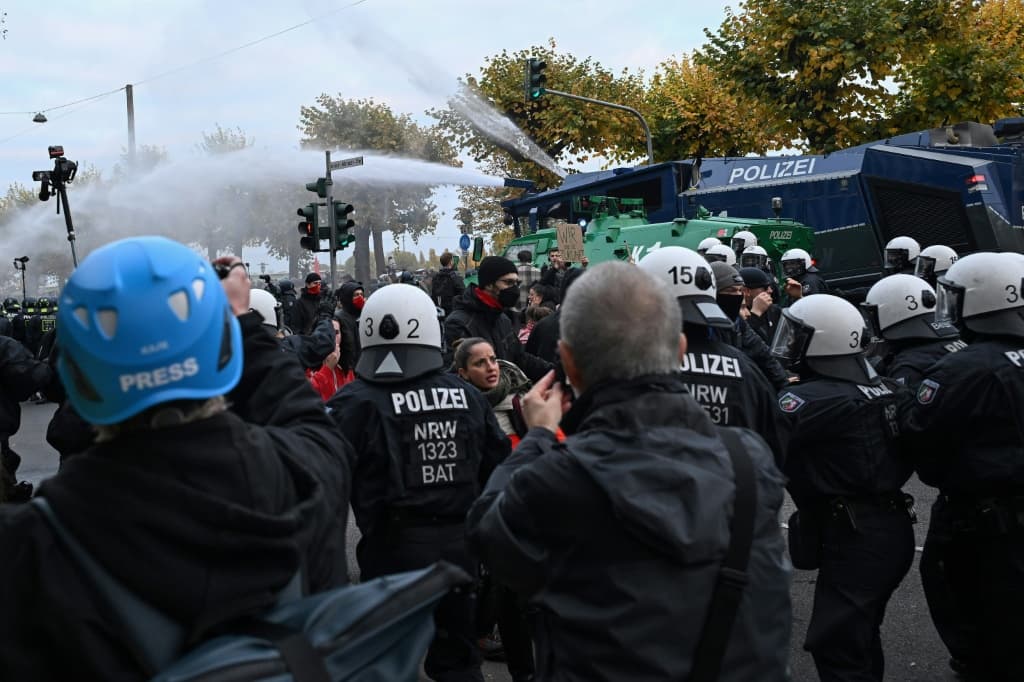
On Saturday, large-scale youth protests took place in Germany, organized by the movement 'GenZ regelt!' ('Generation Z will sort it out!'). According to AFP, the daytime demonstrations were largely peaceful and festive in character — they coincided with Halloween, and some participants came in costumes ranging from dinosaurs to Batman. Protesters carried placards reading 'Time of Resistance' and 'Merz must go' — a reference to the conservative Chancellor Friedrich Merz. In the evening, tensions rose: some groups refused to disperse, and police used water cannons in Frankfurt, Hamburg and Cologne, as well as pepper spray in Frankfurt and Leipzig. In Bonn, one police officer sustained minor injuries, and in Berlin, at an evening protest unrelated to the movement, officers were pelted with eggs and bottles. Police reported several arrests and injured officers.
The movement's demands and the organizers' position
The 'GenZ regelt!' movement stated that around 120,000 people took part in the actions and emphasized that the main protests proceeded 'very peacefully.' Its demands include lowering the cost of living, renovating schools, opposition to cuts in government spending and, more broadly, to government decisions that, in the movement's view, ignore the younger generation. Participants are also unhappy about the sharp rise in military spending and the new voluntary service model intended to increase troop numbers, fearing a return to conscription. The organizers explicitly rejected violence, stating that 'extremist groups, anti-constitutional symbols, racism and hate speech have no place' in the movement — 'no matter which side they come from.'
The European context and the police's assessment
The protests were inspired by similar movements in France and Italy demanding that political elites take the interests of the younger generation into account. In France, protests were held that same day for the third weekend in a row, with clashes in Paris and other cities; the nationwide demonstrations there on October 17 escalated into some of the worst unrest in recent years. According to Andreas Rosskopf of the police union, when violence broke out in the evening, the police 'acted very decisively and firmly'; he also noted that major property damage had so far been avoided — although some jewelry and luxury stores had boarded up their windows in advance. Berlin, according to AFP, maintained contact with the authorities of France and Italy out of concern that radicals from abroad might attempt to join the German protests.