The key facts
- Trump put the Kansas and Iowa rallies back on the schedule less than a day after cancelling them
- Republicans are defending a 53–47 Senate majority; Kansas and Iowa have become unexpectedly competitive
- A record 47.9 million Americans have already voted early
Rallies back on the schedule
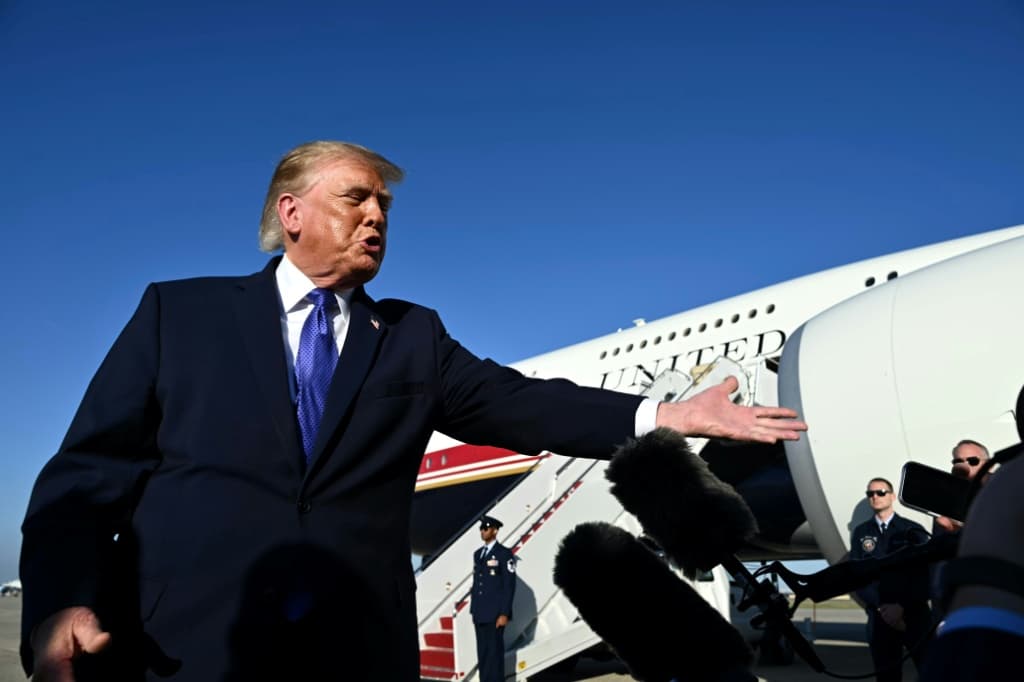
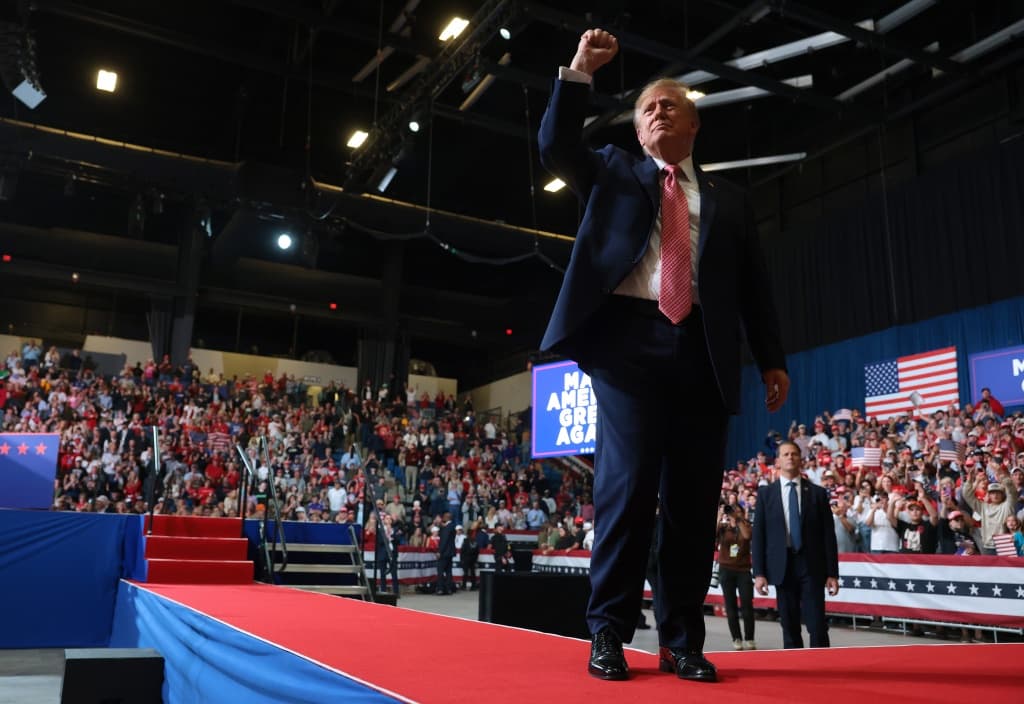
US President Donald Trump on Friday reversed his earlier cancellation of two campaign rallies ahead of the November 3 midterm elections. The events in Kansas and Iowa returned to the schedule for Sunday — less than a day after Republicans said he would no longer appear in either state, AFP reports. Trump had originally been due to speak in Salina, Kansas, on Saturday and in Dubuque, Iowa, on Sunday, but both appearances were pulled from the schedule on Thursday, and Republicans said the president would focus on telephone rallies instead. «The rallies are back on. President Trump loves his supporters, and in addition to nearly 20 tele-rallies, he will hold rallies in Kansas and Iowa back to back on Sunday,» an AFP source within the party familiar with the weekend plans said.
Questions about health and polls
The abrupt changes raised questions about the health of the 80-year-old president and about the state of Republican polling ahead of the vote. Trump reacted sharply when a reporter asked whether he was feeling well, and earlier on Thursday he answered «I feel great» when asked whether he was cancelling the trip to Kansas because he was «tired of traveling», adding that he was no longer needed where Senator Roger Marshall was «doing very well». Political strategist Mike Fayy, a veteran of several election campaigns, suggested to AFP that the reversal was linked precisely to these questions: «My suspicion is that Trump did not like that narrative, and putting the events back on the calendar was the fastest way to kill it.» He also noted that a phone call does not deliver the local headlines and television coverage that Air Force One landing in a state three days before an election creates.
What's at stake
Kansas and Iowa voted confidently for Trump in 2024, but have become unexpected battlegrounds for Republicans: Marshall faces Democrat Adam Hamilton in Kansas, which has not elected a Democratic senator since 1932, while Republican congresswoman Ashley Hinson is in a close fight with Democrat Josh Turek in Iowa. Republicans are defending a 53–47 majority in the Senate, while Democrats aim to take at least one chamber of Congress and curb Trump's legislative agenda in the final two years of his term. As of Friday, a record 47.9 million Americans had already voted early, with turnout rising especially in states with contested Senate races, and registered Democrats outpacing Republicans. Trump has placed himself at the center of the Republican strategy, urging supporters to «consider that I am on the ballot», promised a «dividend» of $5,000 to every citizen if control of Congress is retained, and hardened his rhetoric against migrants, Muslims and transgender people. At the same time, polls show voters are concerned about the cost of living and the war against Iran, and Trump himself, according to widely cited reports, is considering resuming large-scale strikes on Iran, likely after the election. Democrats fear that Trump, as in 2020, will not accept a Republican defeat: in an interview with radio station KCMO in Kansas City he said: «We had rigged elections in 2020. We must never allow that to happen again.»