The key facts
- Renoa is the first new fiber classified by the FTC in 25 years
- Raw materials are waste: cashmere and wool scraps, plus down and feathers from bedding production
- First products with ~20% renoa blended with cashmere are due in Q2 2027
A new fiber made from waste
The startup Everbloom has developed a fiber called renoa — a cashmere substitute that can be machine washed and is promised to be more affordable than the natural material. As TechCrunch reports, the U.S. Federal Trade Commission, which regulates fiber labeling in the United States, recently approved renoa as the first new fiber classification in 25 years. The startup has been developing the material for three years and is now scaling up production; for materials science, the company built its own AI model, and the cashmere substitute became its first product.
Why a cashmere substitute is needed
The rationale for the development is clear from the market context the outlet cites: cashmere spans a wide price range — from a $7,900 Brunello Cucinelli cardigan to a $50 Quince sweater — and Loro Piana made cashmere the foundation of its lineup, which helped push the valuation of the LVMH division above €11 billion the valuation of the LVMH division above €11 billion; there are even running T-shirts made of cashmere. At the same time, the material remains relatively expensive, difficult to care for, and environmentally problematic: goats that produce cashmere damage pastures in Central Asia — a point also raised in a New York Times column on cashmere's harm to the environment.
How renoa is made and how it feels
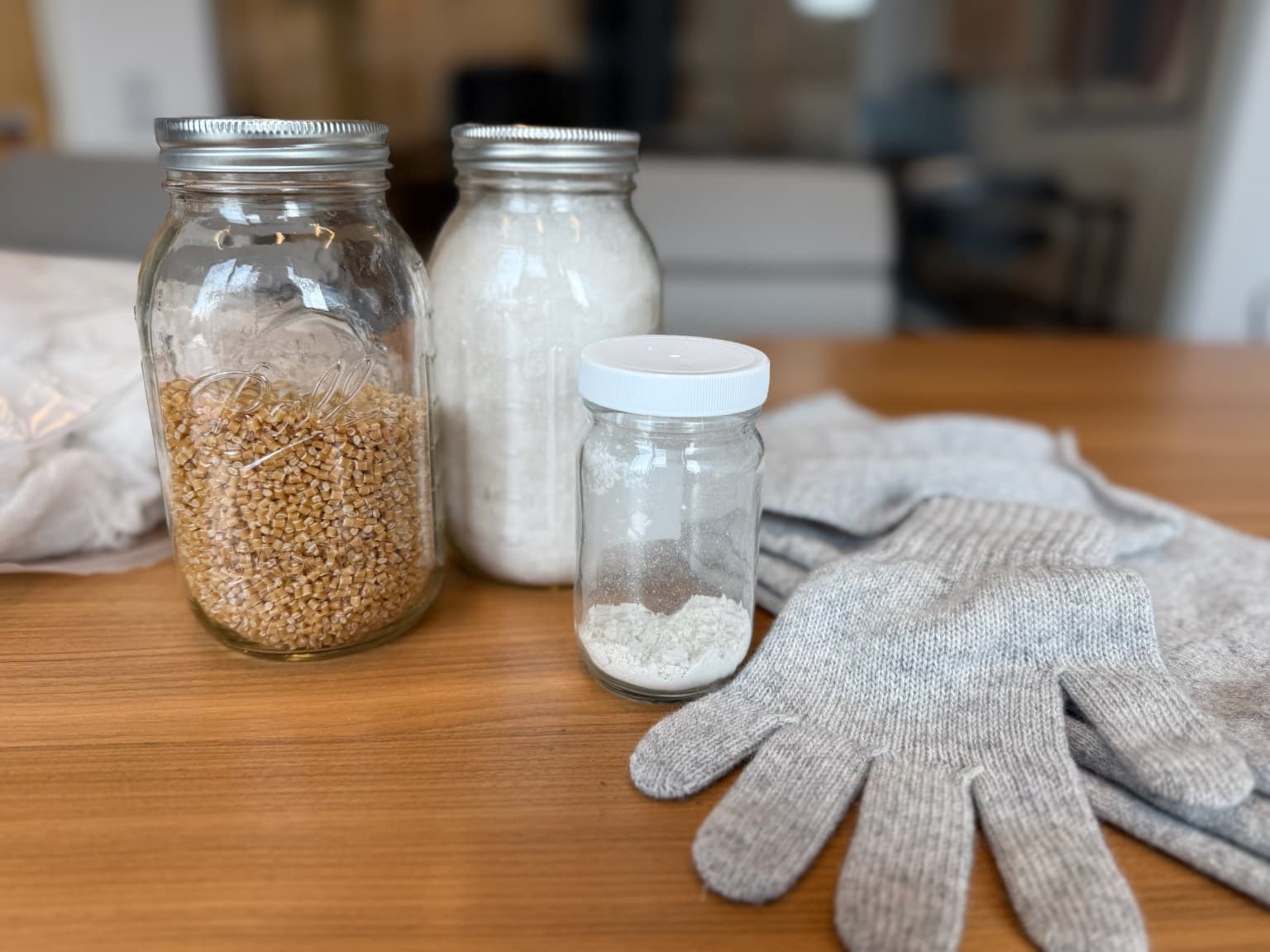
Renoa is produced from waste protein sources: cashmere and wool scraps, as well as down and feather 'lint' left over from the bedding industry. The waste is processed into a powder, mixed with a biodegradable biopolymer, and extruded to the desired length and diameter, imitating specific natural fibers. A TechCrunch correspondent personally handled samples at Everbloom's New York headquarters on Fifth Avenue: a sweater and gloves were soft and lightweight, and a scarf that co-founder and CEO Sim Gulati wore and washed for months, including tumble drying, did not pill and, according to Gulati, did not shrink.
What's next
Everbloom is already working with a number of companies to introduce renoa into consumer goods. The first products will likely contain the fiber as a blend — about 20% of the material in a cashmere sweater. According to Gulati, the first product is expected to reach the market in the second quarter of 2027. The correspondent notes that the 80/20 cashmere-to-renoa blend felt extremely close to natural cashmere, and Gulati said that additional finishing of commercial items should eliminate the differences while preserving the garment's washability and stability.