The key facts
- The European Commission stated that the appointment of the eight Tribunal judges is a constitutional power of the Sejm and is monitoring the situation
- The crisis escalated on Friday evening when President Nawrocki attempted to enter the court building
- Tusk called the events 'scandalous incidents' and pledged to restore independent justice; the ECR condemned the government's actions
Brussels' position after the conflict outside the tribunal building
The European Commission said on Saturday that it is closely monitoring the crisis surrounding Poland's Constitutional Tribunal, which arose after a confrontation outside the court building on Friday evening that was broadcast live. According to Euronews citing a Commission spokesperson, ensuring that the Tribunal operates in accordance with the Polish constitution and the case law of the EU Court is the task of the Polish authorities. At the same time, the spokesperson stressed: 'The appointment of eight new members of the Constitutional Tribunal falls within the constitutional powers of the Sejm, the parliament of Poland.'
Timeline of the escalation
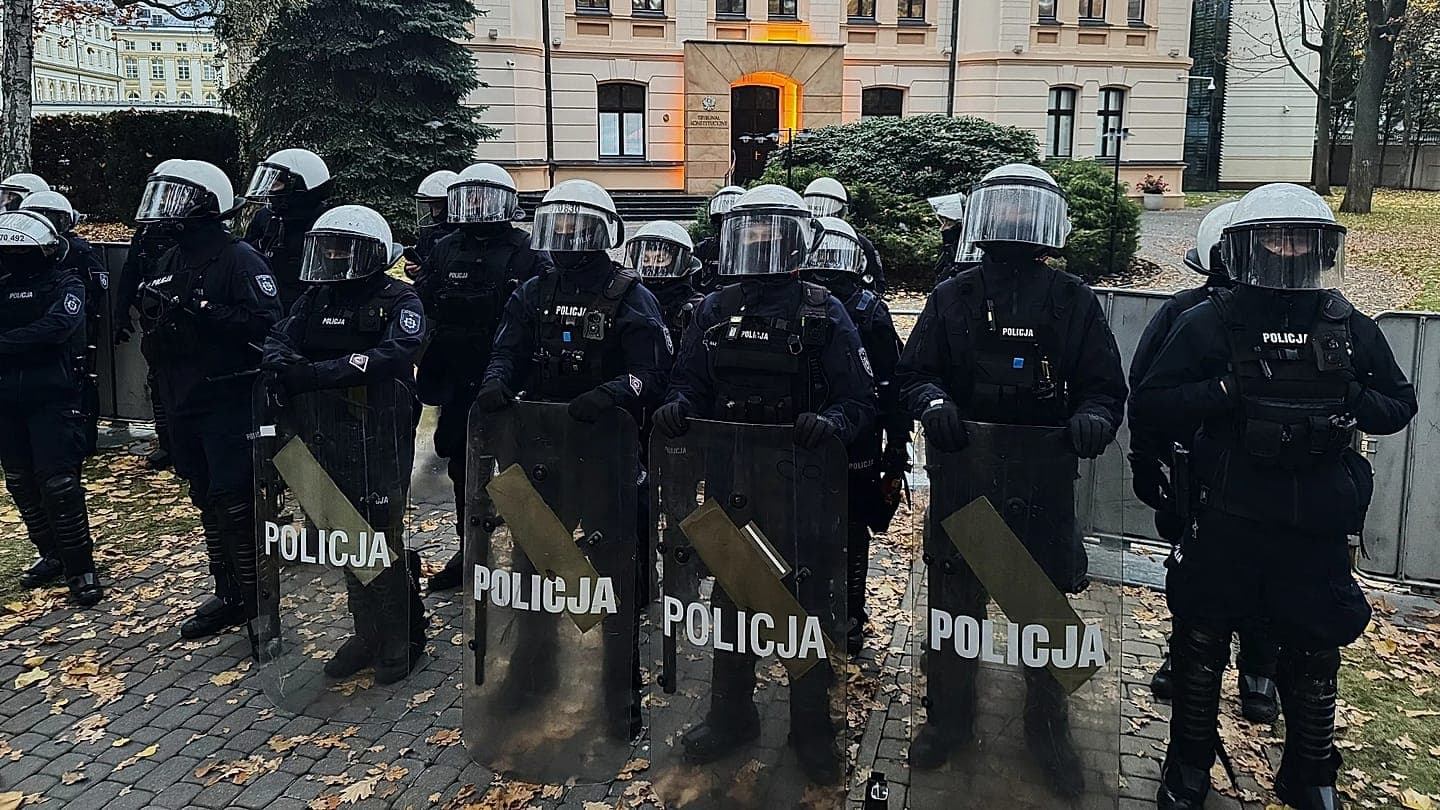
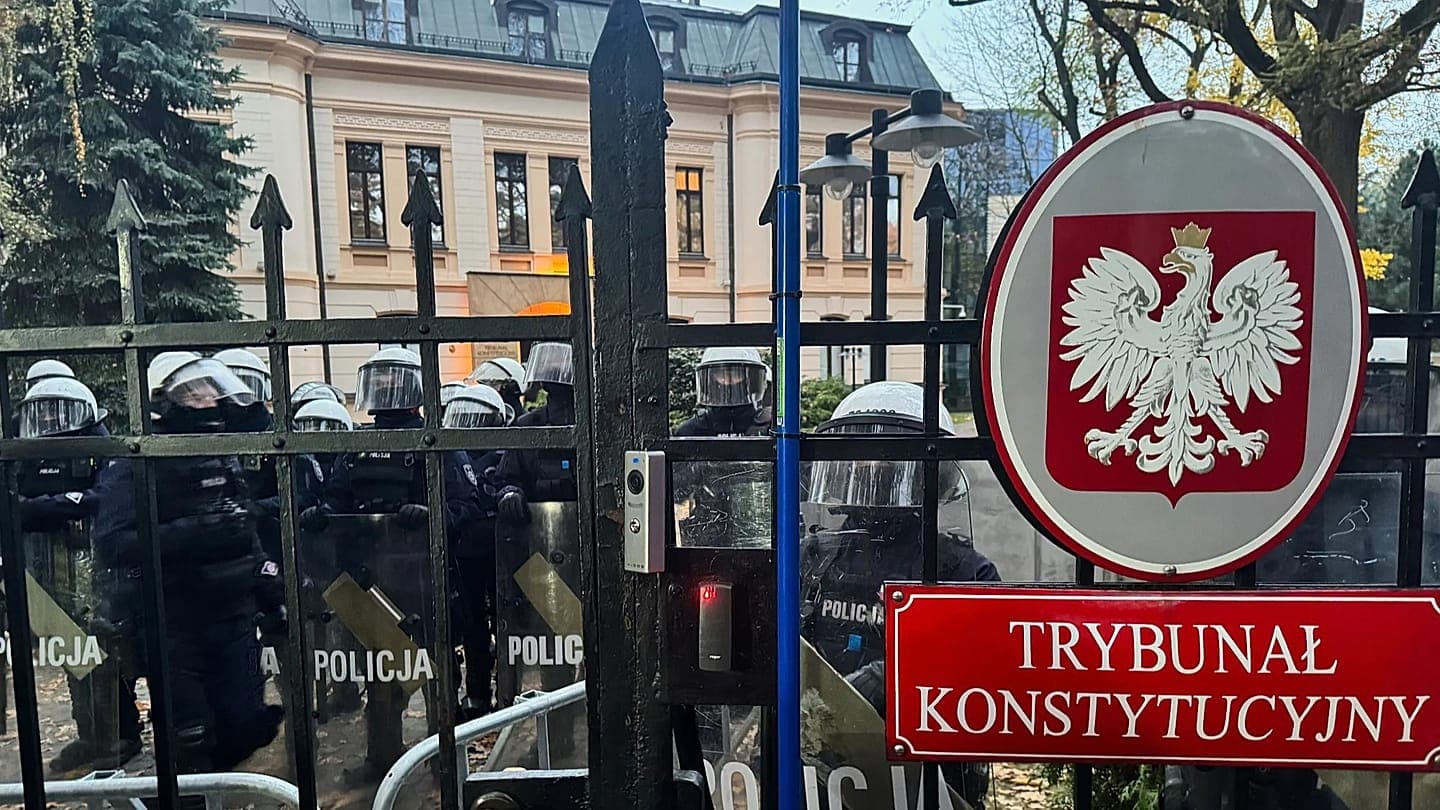
The crisis escalated on Friday evening when President Karol Nawrocki attempted to enter the Tribunal building amid a deadlock over the appointment of new judges. Police cordoned off the building, and the standoff between the president and the government over the composition of the highest court unfolded live on television. The Commission also referred to a ruling by the European Court of Human Rights: on 5 May 2026, it issued interim measures requiring the Polish authorities 'to refrain from obstructing the swearing-in and the exercise of judicial duties by judges elected by the Sejm in March 2026.'
Reaction from Tusk and European conservatives
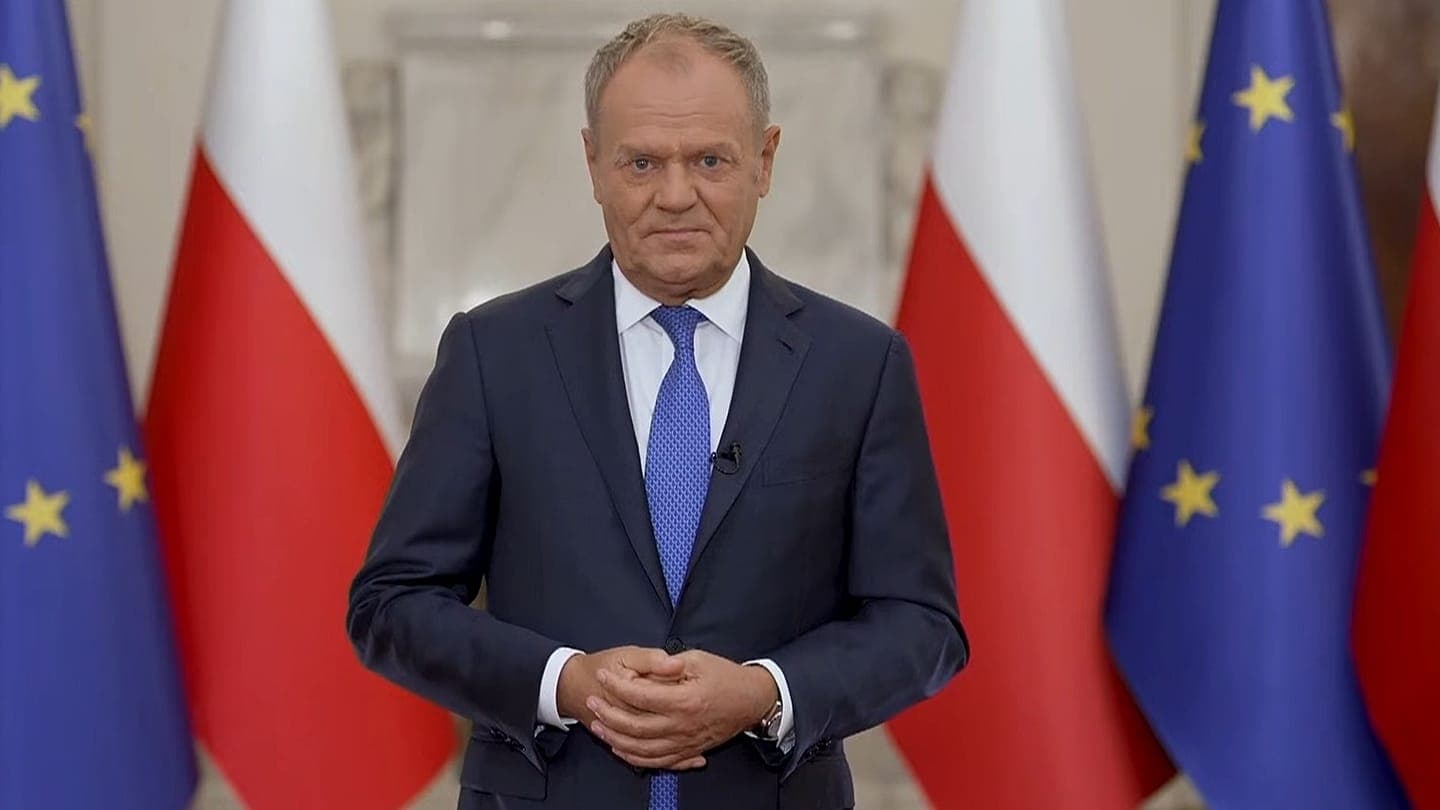
Prime Minister Donald Tusk delivered a televised address on Saturday evening — his first major response to the crisis. He called Friday's events 'scandalous incidents' and expressed hope that such scenes would not be repeated. In his words, the restoration of calm does not mean accepting lawlessness or violence; he pledged to restore the conditions for independent justice, stating that 'a democratic state must be strong and capable of delivering justice.' Tusk's government claims it is carrying out long-overdue reforms to restore the rule of law after years it describes as interference by the Law and Justice (PiS) party in the judiciary; the opposition, for its part, accuses the government of attempting a coup. The co-chairs of the European Conservatives and Reformists (ECR) group on Saturday condemned the Polish government's actions as a violation of the rule of law and voiced support for Nawrocki. ECR co-chair Nicola Procaccini said: 'The actions of Tusk's government represent a clear and serious violation of the rule of law. We condemn this attack on the independence of the judiciary and on Poland's constitutional guarantees. No government is above the law,' adding that European institutions 'must not look away.'
A long-running dispute over legitimacy
The Tribunal's legitimacy has been contested for more than a decade. As Euronews notes, the dispute dates back to 2015, when the then-ruling Civic Platform and the opposition PiS clashed over the appointment of five judges. Since then, the conflict has grown into a broader confrontation over the independence of the judiciary, the composition of the Tribunal, and the binding force of its rulings. Thus, the European Commission's current position — recognizing the Sejm's authority to appoint judges — is embedded in a years-long dispute in which the sides still hold diametrically opposed assessments of what is happening.