The key facts
- The US and Russia mutually blocked draft resolutions extending the MINURSO mandate one day before its expiry
- The American draft made Morocco's autonomy plan the sole basis for negotiations and removed the mention of a referendum from the mission's name
- Morocco welcomed the failure of the extension, while Polisario thanked Russia for the veto
Mutual vetoes in the UN Security Council
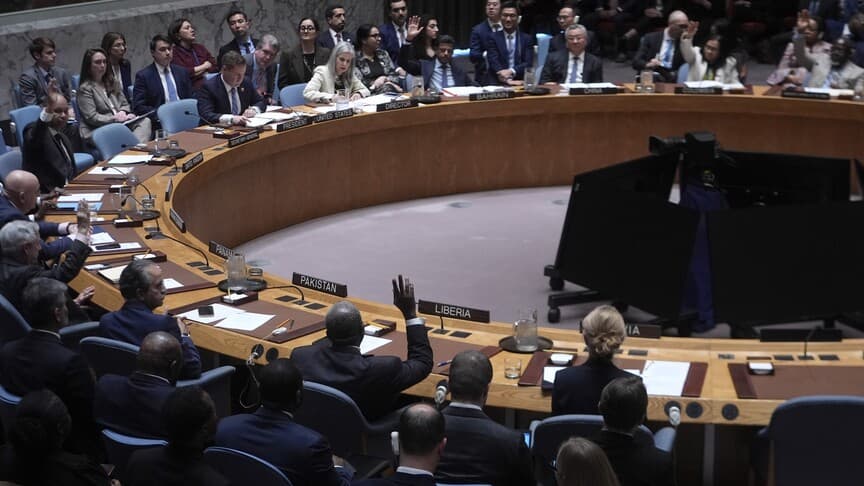
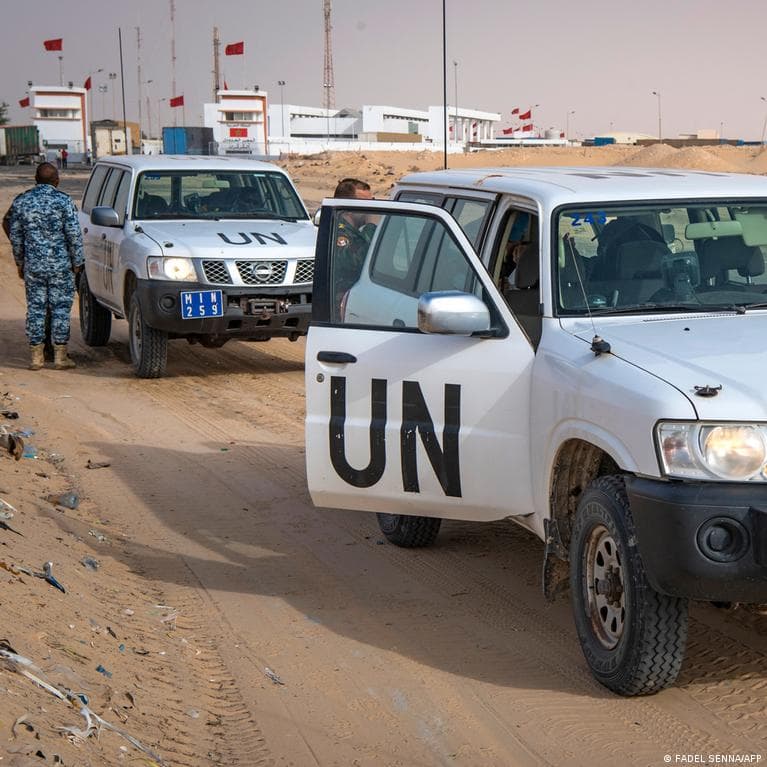
The fate of the UN peacekeeping mission in Western Sahara (MINURSO) has been left uncertain: one day before the expiry of its mandate, the United States and Russia vetoed each other's draft resolutions on extending it, Deutsche Welle reports. The mission was established in 1991 to monitor the settlement plan and the ceasefire between Morocco and the Polisario Front in a territorial dispute that has lasted half a century.
The essence of the American draft
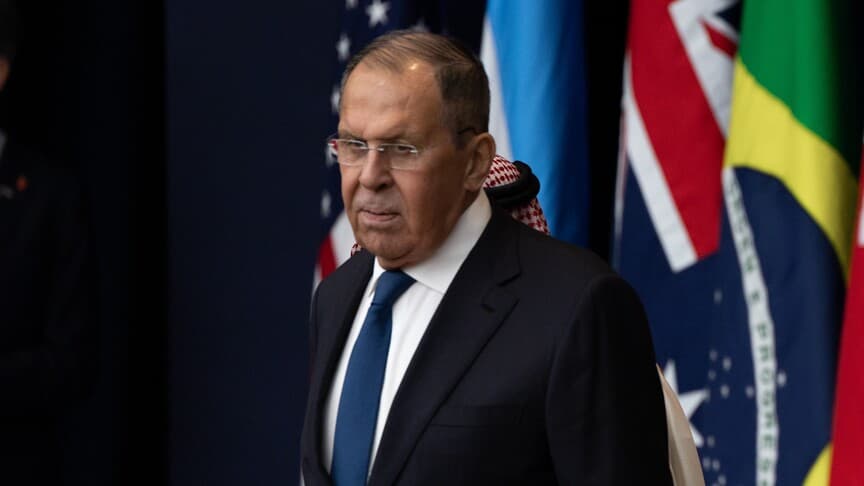
On Friday, the United States submitted to the UN Security Council a draft resolution that would extend the mandate by one year, make Morocco's autonomy plan the sole basis for settlement negotiations, and reduce the mission's military component. The draft would also rename the mission from MINURSO to MINUSO — the letter 'R', which stood for a referendum on the territory's self-determination, would disappear from the name. A year ago, the UN Security Council endorsed Morocco's autonomy plan as the 'most feasible' solution to the dispute, but the American draft went further. Russia was not satisfied with this: its Permanent Representative to the UN, Vasily Nebenzya, called the approach 'one-sided' and said that the Security Council 'cannot automatically prejudge questions related to sovereignty.' The draft received 11 votes in favor out of 15 with three abstentions, but was blocked by the Russian veto.
Moscow's countermove and the parties' positions
The United States, in turn, blocked the Russian draft with its own veto; it provided for a one-year extension of the mandate on the previous terms. After the vote, the US Representative to the UN, Michael Waltz, said that 'some members of the Council used the veto to preserve the letter R — referendum — in the mission's name, even though the UN has not been preparing such a vote for decades.' The reactions of the parties to the conflict were divided: the Royal Palace of Morocco welcomed the failure of the extension and said it 'should mark the end of the Security Council's involvement and the removal of this issue from its agenda.' The Polisario Front's Permanent Representative to the UN, Sidi Omar, on the contrary, thanked Russia for the veto, saying that the American resolution 'would have undermined the Sahrawi people's free exercise of their inalienable right to self-determination and independence.'
Context of the dispute
Morocco considers Western Sahara — a mineral-rich former Spanish colony — its own territory. The Polisario Front, which represents the indigenous Sahrawi people and is backed by Algeria, seeks the creation of an independent state — the Sahrawi Arab Democratic Republic. What will happen to the mission after the mandate expires was not specified by sources at the time of publication.