The key facts
- Hubbard learned of his release from a guard who brought him a coat with the word 'Home,' and at first did not believe it
- The pardon followed Trump's personal request to Putin; Peskov explained it by humanitarian considerations
- According to Trump, the US did not hand over prisoners to Russia in exchange
'Home': how Hubbard learned of his release
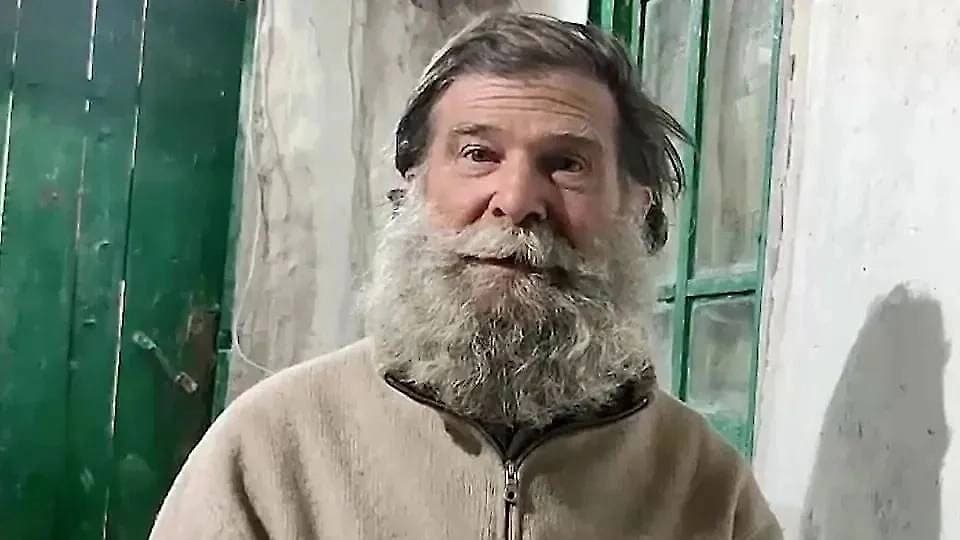
American Stephen Hubbard, released from a Russian penal colony, told The New York Times in an interview, that a guard had informed him of his impending return home: he brought the 74-year-old inmate a new coat and said a single word in English — 'Home.' Hubbard did not believe it at first: according to him, he had 'been told many times before that I would be released,' and he had grown used to not counting on promises. He only felt certain when he was given new clothes and led out of the colony.
Years of imprisonment: loneliness and the Bible
In his final years behind bars, Hubbard had almost no contact with other inmates — he did not speak Russian. His main occupation was reading the Bible that had belonged to his mother; later he also managed to obtain a New Testament in English, a book on the history of England, and a school English textbook. Contact with his family was limited: over his entire imprisonment he was allowed one phone call to his son, who lives in Cyprus, and about once every six months he could exchange messages with relatives through the US embassy.
The road home and the meeting with Trump
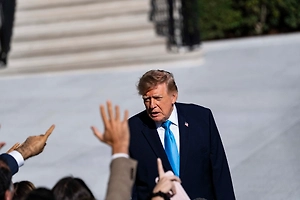
Before his release, Hubbard was transferred from penal colony No. 12 in Mordovia to Moscow, where he spent five days, then taken to St. Petersburg, from where he flew to the United States. In Texas he reunited with his two sons, visited his sister in Colorado, and traveled on to Washington. In the interview he expressed hope that his release would help improve relations between Moscow and Washington and speed up the return of other Americans, and said he wanted to thank Donald Trump in person. As early as October 30, the president received the former inmate in the Oval Office of the White House.
How the release took place
According to Life.ru, in October 2024 the Moscow City Court sentenced Hubbard to six years and ten months in a penal colony in a mercenary case: according to the investigation, he had taken part in combat on the side of the Ukrainian Armed Forces for monetary reward; the defense denied this. On October 20, 2026, it became known that Trump personally asked Putin to release Hubbard, and the next day the Russian president decided to grant a pardon. The Kremlin press secretary, Dmitry Peskov, explained, that it was dictated by humanitarian considerations. The release took place during the visit of US special envoy Steve Witkoff to St. Petersburg. Trump stated that Washington did not have to hand over any prisoners to Moscow in exchange.