The key facts
- UNSMIL mandate extended for a year: the UK resolution adopted with 13 votes in favor and Russia and Greece abstaining
- The US resolution on Western Sahara received 11 votes in favor, but Russia exercised its veto
- The US said it supports self-determination but sees other paths to achieving it
Two votes with different outcomes
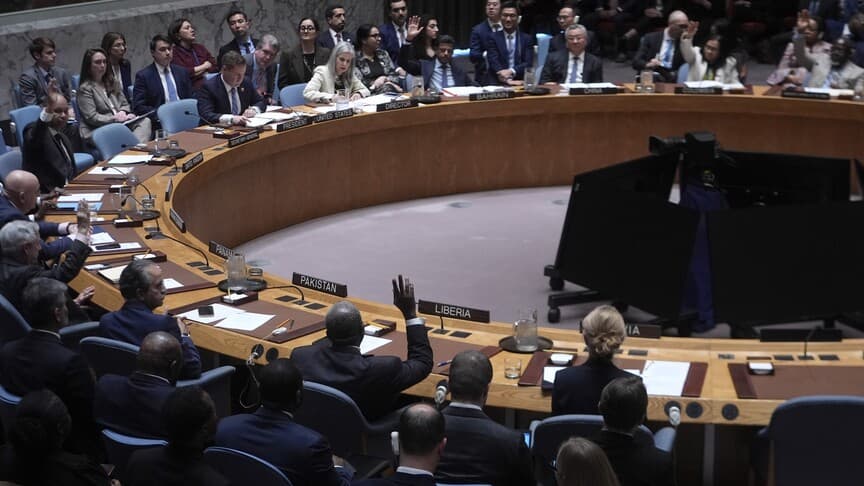
The UN Security Council on Friday, October 30, held two votes with opposite results: first it unanimously (with two abstentions) extended the mandate of the UN mission in Libya, and then rejected the American draft resolution on Western Sahara due to Russia's veto. This is reported by Anadolu.
Libya: extension of UNSMIL mandate
The resolution on Libya was submitted by the United Kingdom. It passed with a result of 13–0, with Russia and Greece abstaining, and extends the mandate of the UN Support Mission in Libya (UNSMIL) for another year. The document supports efforts to advance the country toward elections, reunify state institutions, and establish a unified executive authority.
US and Russian positions on Libya
The United States welcomed the vote, calling the situation in Libya a 'historic opportunity' and emphasizing the need for a unified government and integrated security forces. Washington also warned that those who deliberately obstruct Libya's political transition could face consequences. Russia abstained: according to Ambassador Vasily Nebenzya, UNSMIL still plays an important role, but he opposed haste in the political process and the imposition of solutions from outside; the agreements reached in the recent political process, he noted, still need broader support among the Libyan parties.
Western Sahara: Russia's veto
The council then turned to Western Sahara, where the US draft resolution received 11 votes in favor, three abstentions, and one against: Russia exercised its veto, and the document was not adopted. The resolution was meant to change the UN's approach to the long-running dispute and advance a political settlement. US Permanent Representative Mike Waltz said that years of attempts to hold a referendum had failed and that preserving the status quo was no longer acceptable; according to him, Washington supports self-determination but believes there are other ways to achieve it, and he called on the parties to reach a durable political agreement.
The essence of the Western Sahara dispute
Western Sahara remains a key issue in North African diplomacy. Morocco proposes broad autonomy for the territory under its sovereignty, while the Polisario Front continues to demand a referendum on self-determination — a position supported by Algeria. The dispute dates back to 1975, when Spain ended its colonial rule over the territory; the conflict between Morocco and Polisario escalated into armed confrontation and continued until the ceasefire in 1991.