The key facts
- The French Interior Ministry put the nationwide turnout at around 15,000 people, with the situation remaining 'broadly calm'
- 27 people had been detained by 2:00 pm, compared with 217 a week earlier; about 70,000 security personnel were deployed
- The student union announced blockades of universities and lycées from Tuesday and participation in the demonstration on 5 November
Third Saturday of protests under heavy security
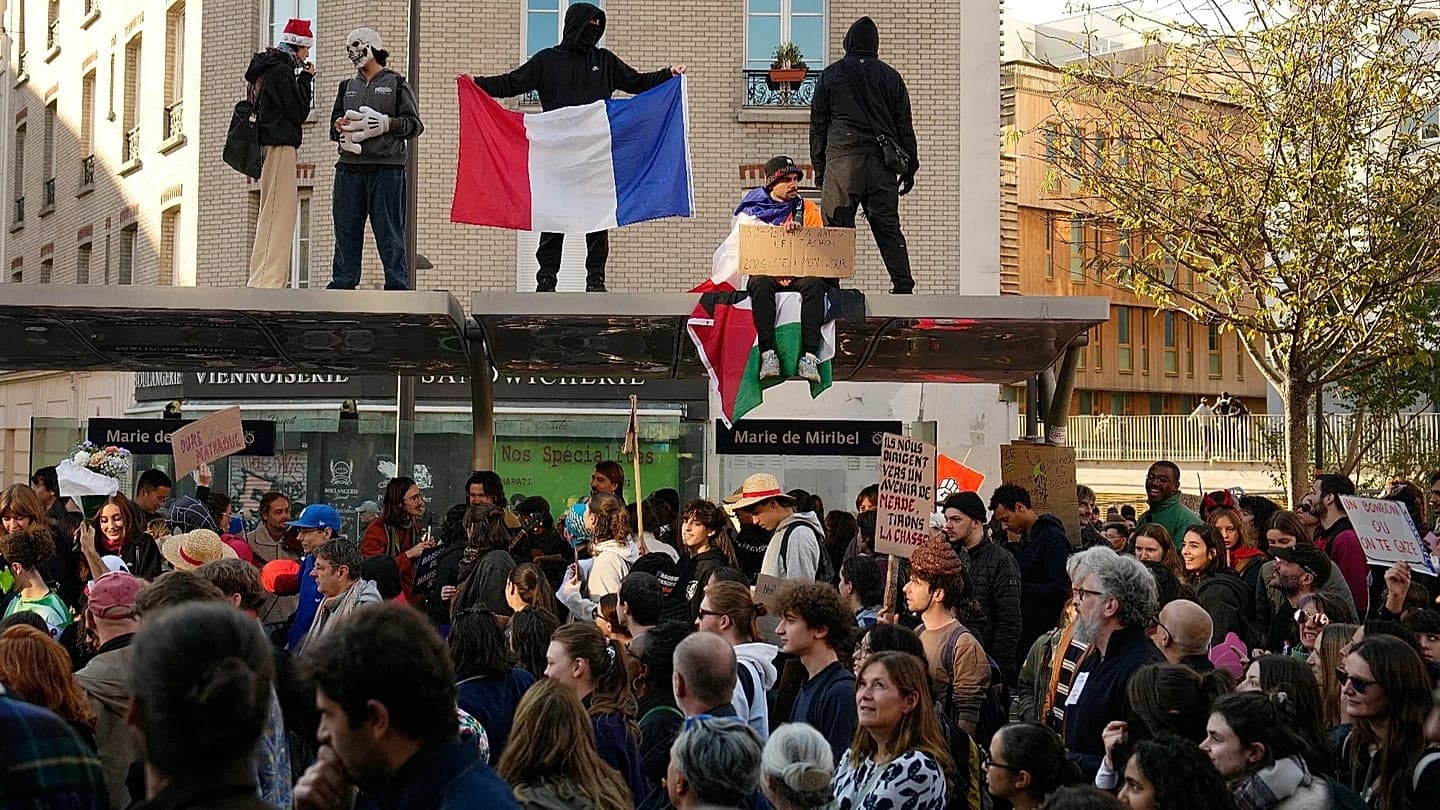
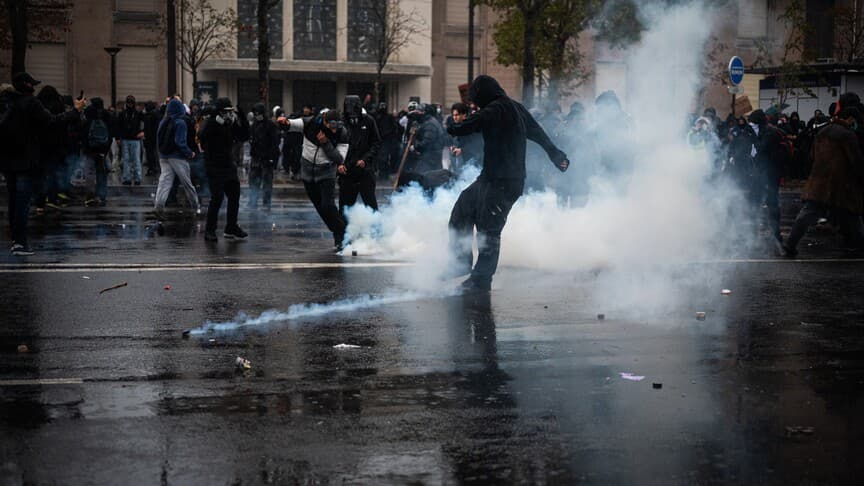
Thousands of demonstrators, some dressed in clown and witch costumes for Halloween, took to the streets of Paris and other French cities on Saturday — the third week of protests held under heightened security measures. The authorities sought to avoid a repeat of the riots that swept the country two weeks earlier, when footage of clashes, looted shops and burning public buildings spread around the world. This is reported by AFP.
Turnout and detentions: a marked decline
The French Interior Ministry put the nationwide turnout at around 15,000 people and described the situation as 'broadly calm'. By 2:00 pm police had detained 27 people — compared with 217 a week earlier, confirming a decrease in tension compared with the previous Saturday. Marches took place in Marseille, Toulouse and Lyon; in Paris, the prefecture allowed the march only on the outskirts, through a working-class residential area, rather than through the city centre. In total, about 70,000 security personnel were deployed, and Interior Minister's deputy Laurent Nuñez had already said on Friday that preparations were being made for street violence on a scale 'comparable' to the riots of two weeks earlier.
Demands have broadened, students announce blockades
The movement, which brought together 'yellow vests', trade unions and school pupils and students, initially campaigned against the rising cost of living, inequality and deteriorating study conditions. After the violent crackdown and serious injuries to some protesters, the demands broadened: participants are seeking protection of civil liberties and the right to protest. Students are unhappy with the ban on marching through central Paris: Sabrina Harbache, a representative of the Union étudiante trade union, announced that blockades of universities and lycées would begin on Tuesday, be repeated on Thursday, after which students would join the demonstration on 5 November called by workers and trade unions.
Political backdrop and the authorities' nervousness
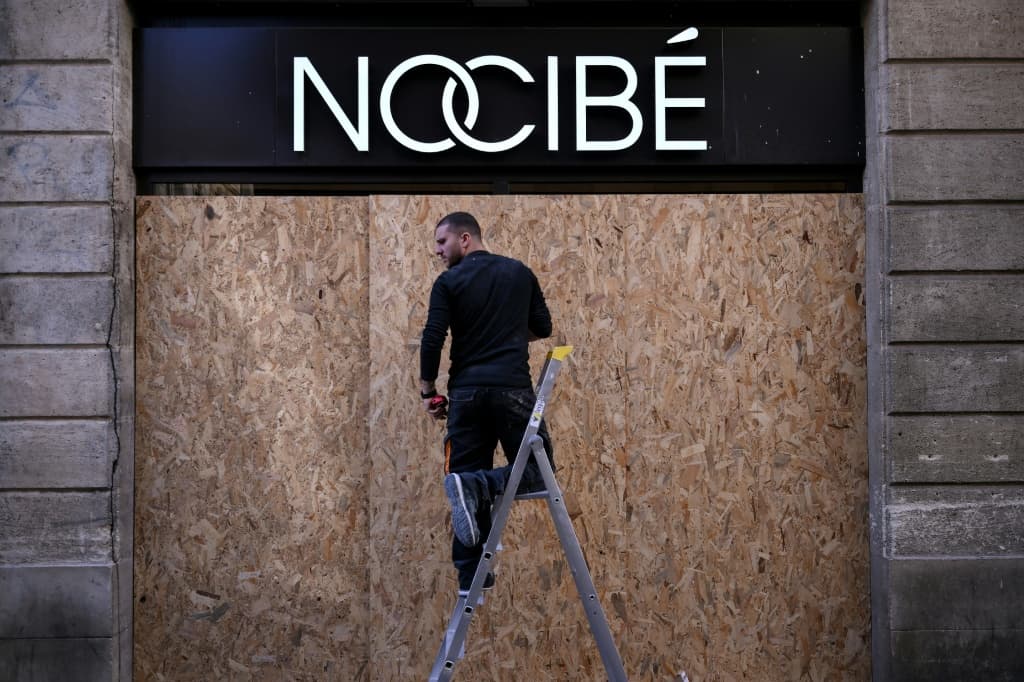
The protests are taking place in a tense political context: less than six months remain until the presidential election, and far-right leader Marine Le Pen leads the polls. Jean-Luc Mélenchon, the far-left presidential candidate, took part in the march in Paris, accusing Macron's government of an 'increasingly authoritarian turn'. According to AFP, the authorities expected between 400 and 800 far-left activists in Paris, and a police source spoke of 'considerable nervousness' on the part of the authorities. Nuñez said that calls had been found on social media for 'Halloween' gatherings on Saturday evening aimed at provoking a 'revolution'. The government's economic options are limited: the eurozone's second-largest economy is on the brink of recession and under pressure to reduce debt, so it is difficult to appease the protesters with additional spending. Shop owners boarded up their windows in advance; Alain Di Crescenzo, head of the French chamber of commerce, admitted that traders were 'eagerly awaiting the end of Saturday'.