The key facts
- The movement began with complaints about overcrowded classrooms and teacher shortages, then merged with actions against the cost of living
- Arrests: 2,628 on October 17, 1,435 on October 24; 6,059 detentions in the week from September 28 to October 5
- The government promised to replace Parcoursup by 2028, add 15,000 university places and cancel 836 job cuts, but the protest continues
- The government promised to replace Parcoursup by 2028, add 15,000 university places, and cancel 836 cuts, but the protests continue
From school blockades to a nationwide movement
France is preparing for new nationwide protests on Saturday, October 31, after student demonstrations over school conditions grew into a movement against the rising cost of living and overstretched public services. The Anadolu agency publishes a chronology of events.
September — early October: schools and the first clashes
The movement began with school blockades in the overseas territories — Mayotte and French Guiana — and in mid-September spread to the suburbs of Paris. Students complained about unfilled teaching positions, classes of up to 36 pupils, dilapidated buildings and months without lessons in core subjects, and also demanded changes to the university admissions platform. By September 29, about 180 schools had been affected; by October 1, the number had reached 1,027, including 222 blockades. That day, a fire broke out at the Nelson Mandela high school in Nantes, and 1,949 arrests were recorded across the country.
Injuries, arrests and going beyond education
On October 5 in Lens, a 15-year-old schoolboy lost his hand in the explosion of a stun grenade; the use of this model at student actions was suspended pending an investigation. According to the Ministry of Justice, from September 28 to October 5 there were 6,059 detentions, 87% of those detained being minors. On October 6, the Interior Ministry put the number of participants at 266,000 (organizers — at 450,000). By October 9, more than 6,800 people had been taken into custody since the start of the movement. The demands went beyond education: demonstrators raised issues of inequality, public spending and the state of public services.
October 17–18: mass marches and violence
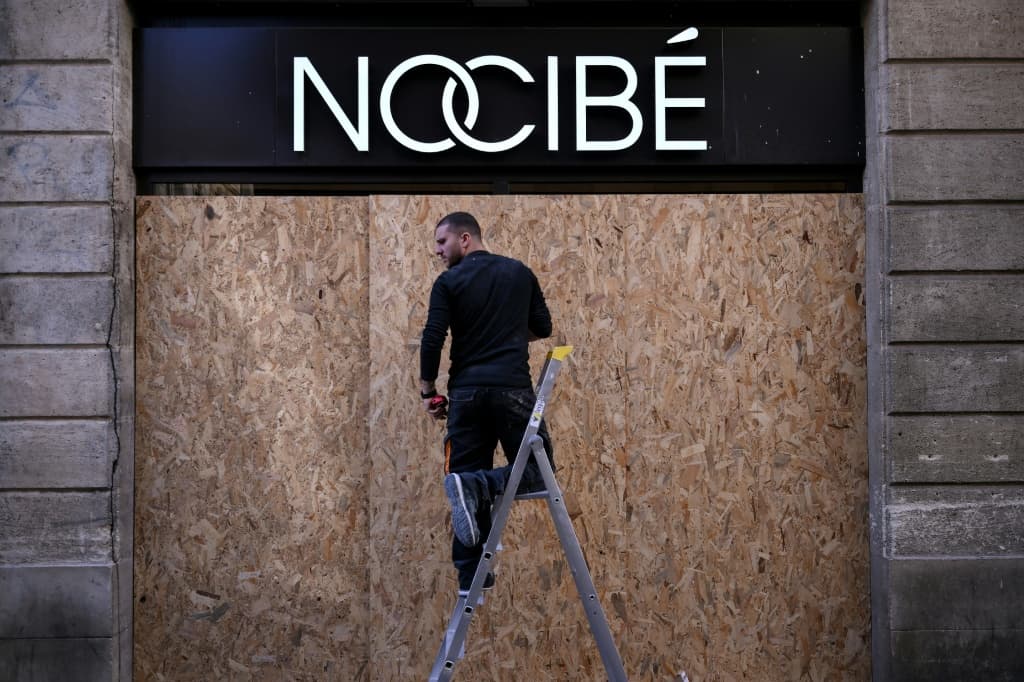
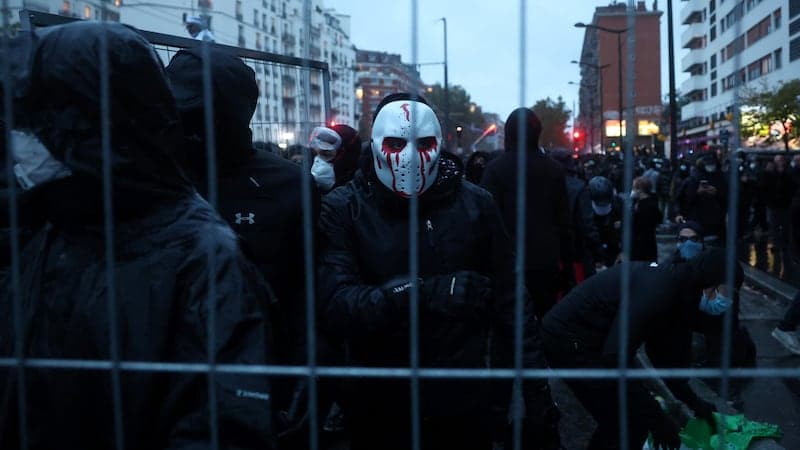
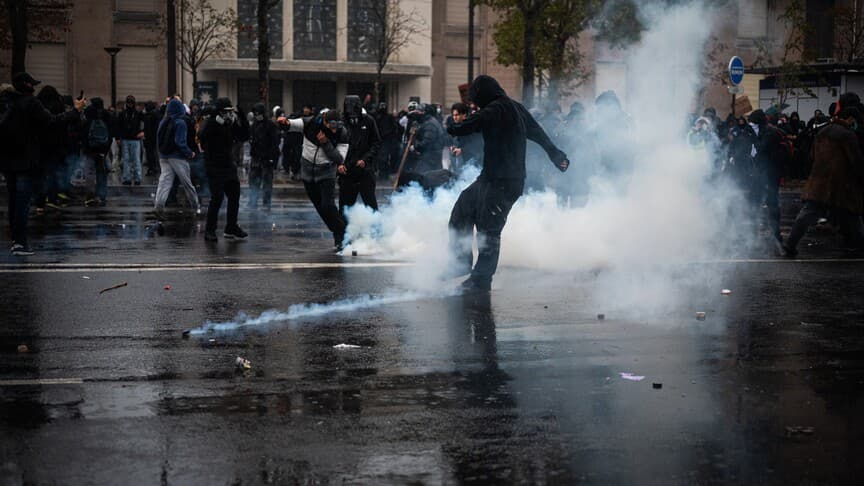
Parallel calls on social media for actions on October 17 over fuel prices and the cost of living — with a reference to the 2018 'yellow vests' — merged with the student movement. The Interior Ministry estimated turnout at 550,000 people, the CGT union at 800,000. Many marches were peaceful, but in a number of cities there were clashes, riots and fires: the Limoges city hall was badly damaged, demonstrators stormed the Marseille city hall, and in Lyon the tourist office was set on fire. The toll: 2,628 arrests, 1,144 injured law enforcement officers, and 1,522 damaged or looted businesses. Prime Minister Sébastien Lecornu blamed radical left groups and criminal elements; Jean-Luc Mélenchon called the police command decisions 'absurd' and denied any involvement of his supporters, while Marine Le Pen also accused La France Insoumise and called for calm.
Curfews and government concessions
Interior Minister Laurent Nuñez acknowledged miscalculations in assessing the scale of the protests; Macron rejected his offer to resign and demanded a review of intelligence and security failures. Targeted curfews were introduced, including for minors, and 70,000 police officers and gendarmes were deployed on October 24, up from 60,000 the week before. On October 24, the Interior Ministry counted 410,000 participants (the CGT — about 800,000) and 289 demonstrations, down from 441 the previous week; 1,435 people were detained, with 267 law enforcement officers and 150 demonstrators injured. Fire callouts fell to 75, compared with 2,025 the previous Saturday.
Concessions on education did not stop the mobilization
On October 26, the government announced a package of measures: replacing the Parcoursup platform by 2028, with changes starting from the 2027 admissions cycle; 15,000 additional places in higher education; a cap of 28 students for first-year lycée classes (from 2027 in half of the most disadvantaged schools, and from 2028 in all state schools); the cancellation of 836 planned cuts in secondary education plus 500 new teaching positions; €4 billion in loans for school repairs; €1 billion in investment in campuses; and the indexation of scholarships from 2027. Student representatives welcomed some of the announcements but pointed to open questions about higher education capacity and the future admissions system; the Les Lycéens! group maintained its call for further actions. In addition to the protests on October 31, the trade unions announced a nationwide day of action for November 5; Nunez is once again deploying 70,000 security personnel and warns of a high risk of violence on Halloween. Against the backdrop of the approaching 2027 presidential election, the unrest has intensified debates over education, the cost of living, public services, and the police.