The key facts
- France's Interior Ministry reported 320,000 participants, including 70,000 in Paris; youth union groups claimed nearly 500,000 nationwide.
- Turnout was lower than on October 24 (410,000 by official figures) and October 17 (550,000).
- By 14:00, 27 arrests were made, compared to 217 at the same time the previous week.
Turnout decreased compared to previous Saturdays
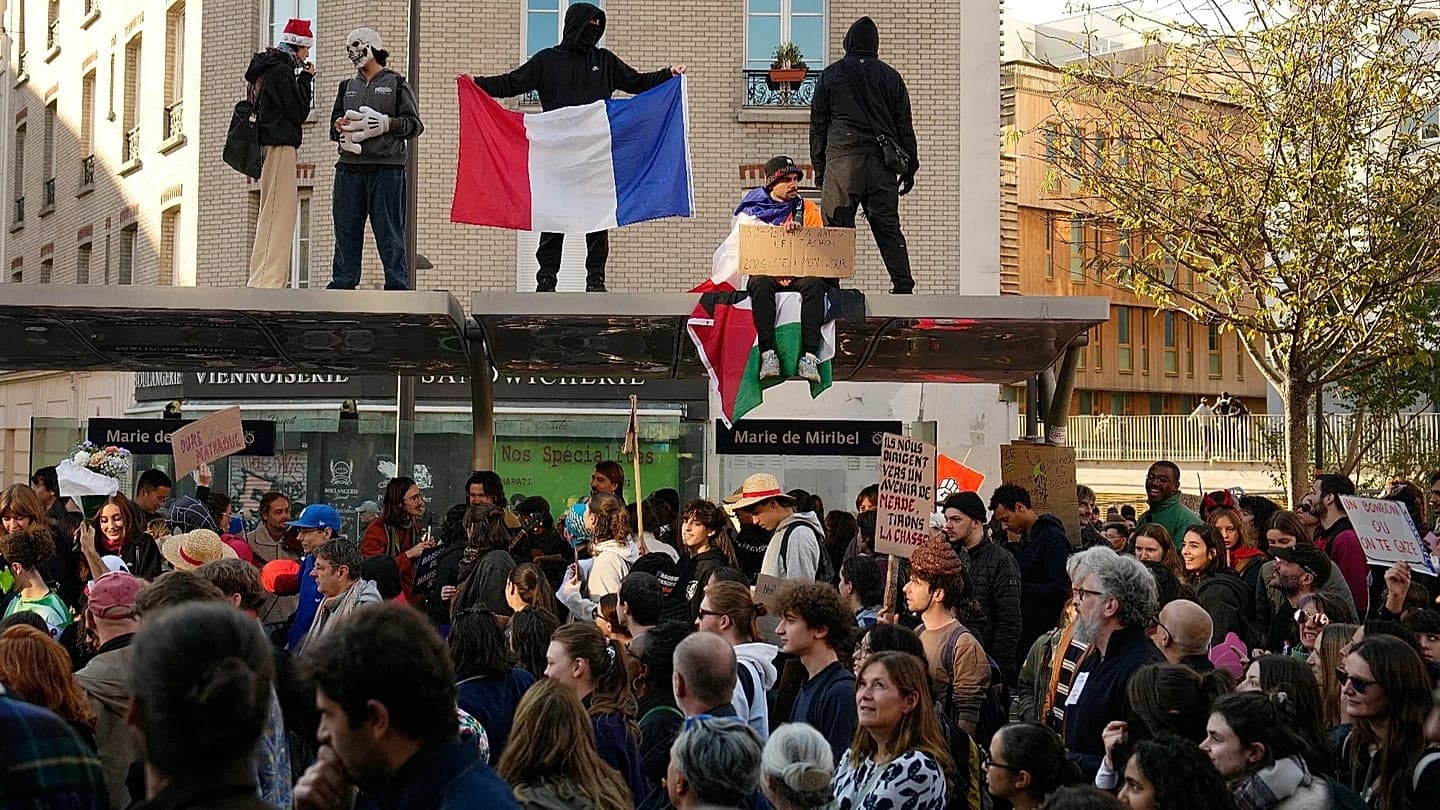
On October 31, France held its third consecutive Saturday of social protests. According to the Ministry of the Interior, 320,000 people participated in the demonstrations, including 70,000 in Paris; a youth union federation claimed nearly half a million participants nationwide. This is lower than previous mobilization days: authorities counted 410,000 participants on October 24 and 550,000 on October 17, while organizers reported 800,000 on each of those days. The drop in turnout may be explained by disruptions in public transport: in Lyon, trams and the metro ran at half their usual frequency, and in Paris, more than 40 metro stations were closed, reports Euronews.
Calmer than a week earlier, but with concerns for the evening
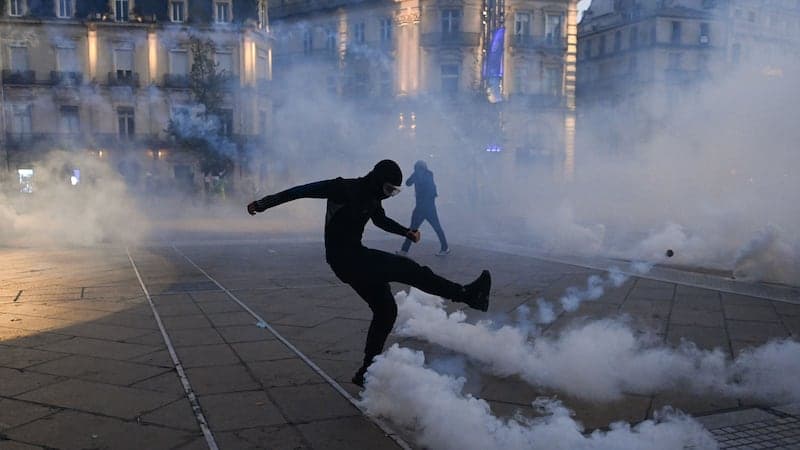
By 14:00, 27 arrests were recorded across the country, compared to 217 at the same time during the October 24 protest. The Interior Ministry described the situation as 'generally calm' and 'without serious incidents,' but warned that 'law enforcement agencies will show maximum firmness toward those committing acts of violence and destruction.' Authorities feared that Halloween evening could become a 'pretext' for street clashes. In Lyon, according to Euronews correspondent Jean-Philippe Liabot, tear gas was deployed as a column approached Place Jean-Mace in the 7th arrondissement.
Where the movement began and what measures were taken
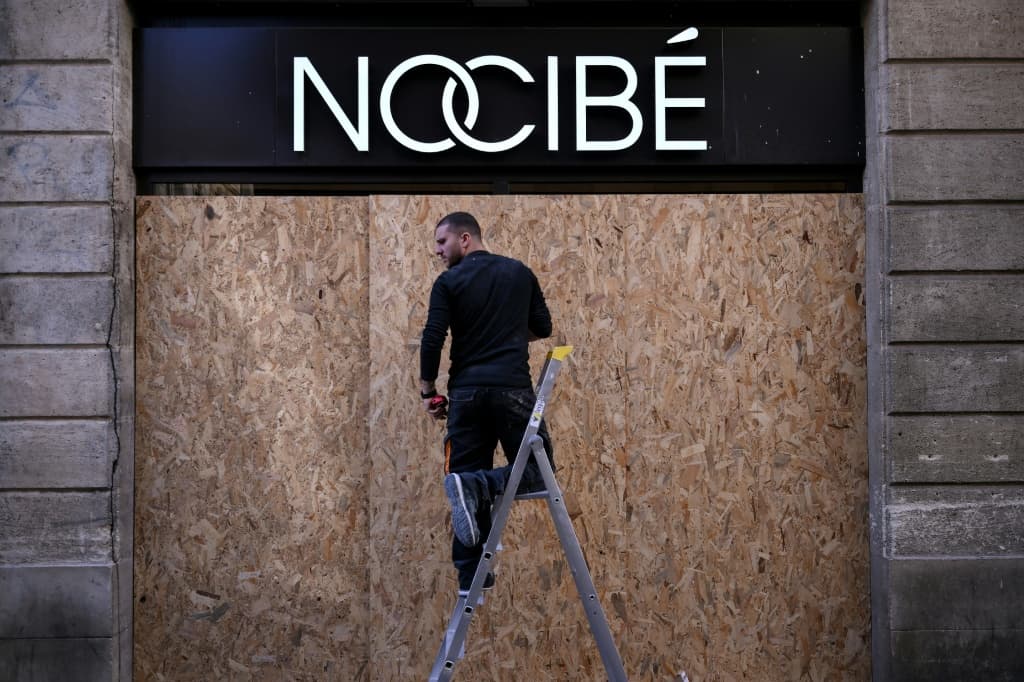
The protests began last month as a movement by high school students against dilapidated school buildings, teacher shortages, and the university admissions system, which is considered unfair to students from low-income families; they were later joined by trade unions and people dissatisfied with President Emmanuel Macron, raising various demands, writes Euronews. Most participants remained peaceful, but some groups attacked police with fireworks and objects; the October 17 riots, according to the publication, caught the government off guard, while police used tear gas, irritant grenades, and water cannons. Macron stated that Saturday marches should not enter city centers to protect shops; in Paris, access to Place de la République and Les Halles was blocked from 23:00 to 06:00, and on the Champs-Élysées this weekend, a curfew applies to unaccompanied minors from 21:00—although a Paris court on Wednesday suspended an earlier curfew for minors as a serious and illegal restriction on freedom of movement.
Protests in other European countries
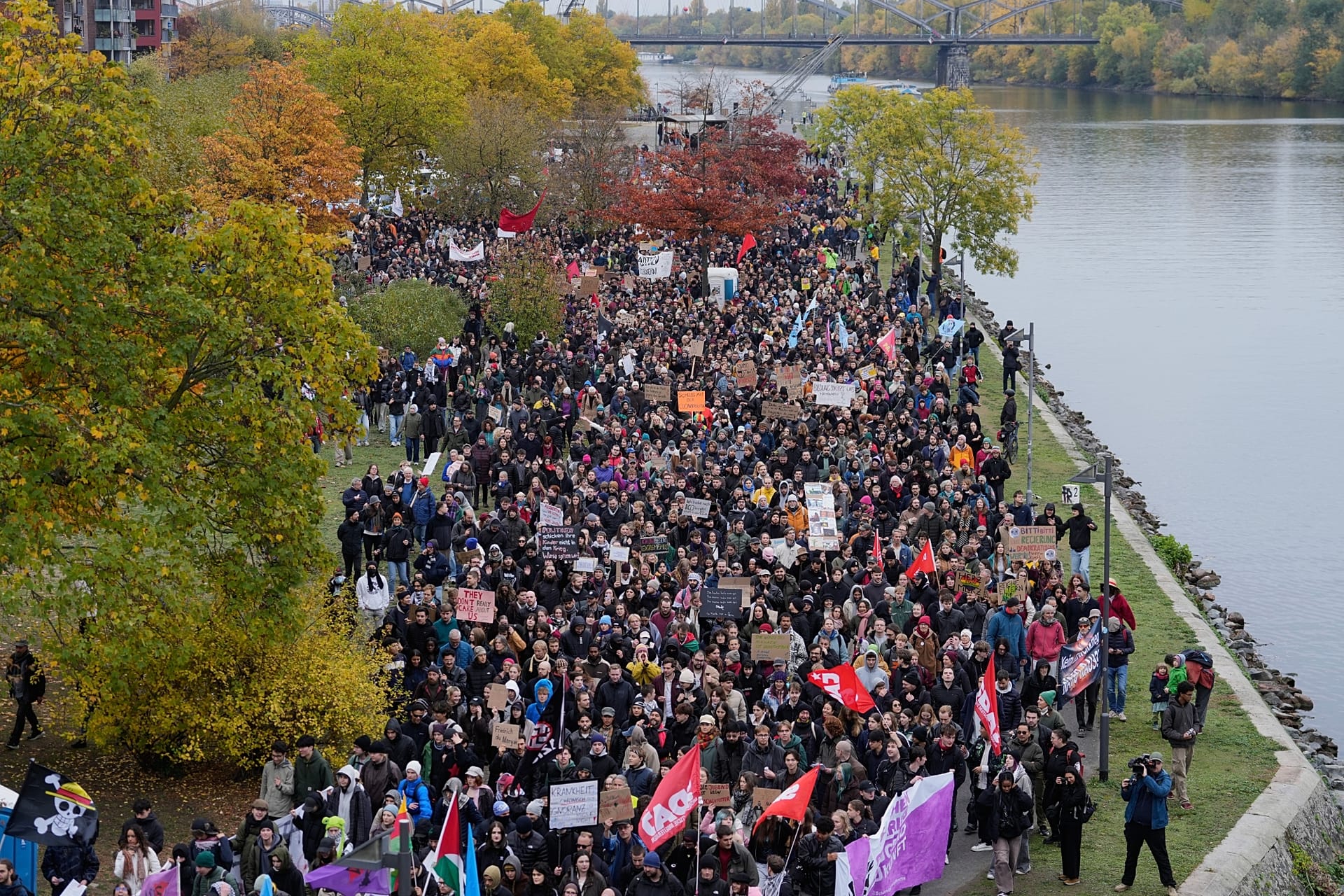
Protests addressing social issues, housing, and education spread across several European cities. In Germany, the youth initiative 'Gen Z regelt' gathered people in many cities for education, healthcare, climate protection, and affordable living, and against the reinstatement of military conscription: organizers reported over 180,000 online registrations, but only a few thousand marched by Saturday. In The Hague, police increased their presence in the city center following online calls, yet no major disturbances occurred by midday; in Italy, police remained on high alert after clashes in Milan, Turin, and Bologna, while in Barcelona, Catalan police planned the highest level of alert following calls from the anonymous TikTok network Blocus—riots there a week earlier led to approximately 130 arrests, mostly of minors. Calls for protests also spread via TikTok in Belgium, the Netherlands, Austria, Switzerland, and Portugal.