The key facts
- The TechCrunch author tested the Duo on vacation alongside the iPhone 17 Pro Max and ultimately preferred the Duo
- Main drawbacks: Touch ID instead of Face ID, a camera without a telephoto lens, and freezes in Google Search in AI Mode
- The phone survived drops and pressure in a back pocket; IP68 protection versus IP48 on the Galaxy Z Fold 8
Five days with the Duo versus the 17 Pro Max
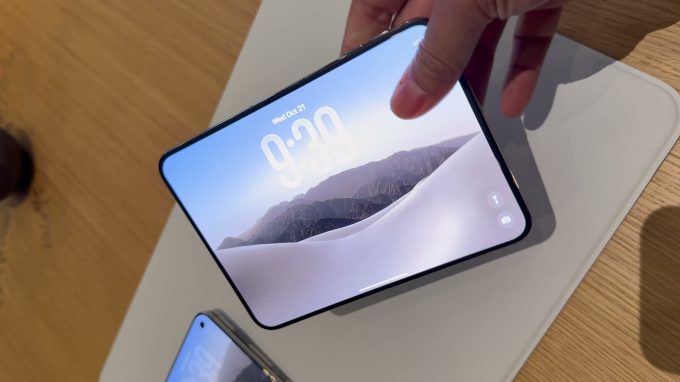
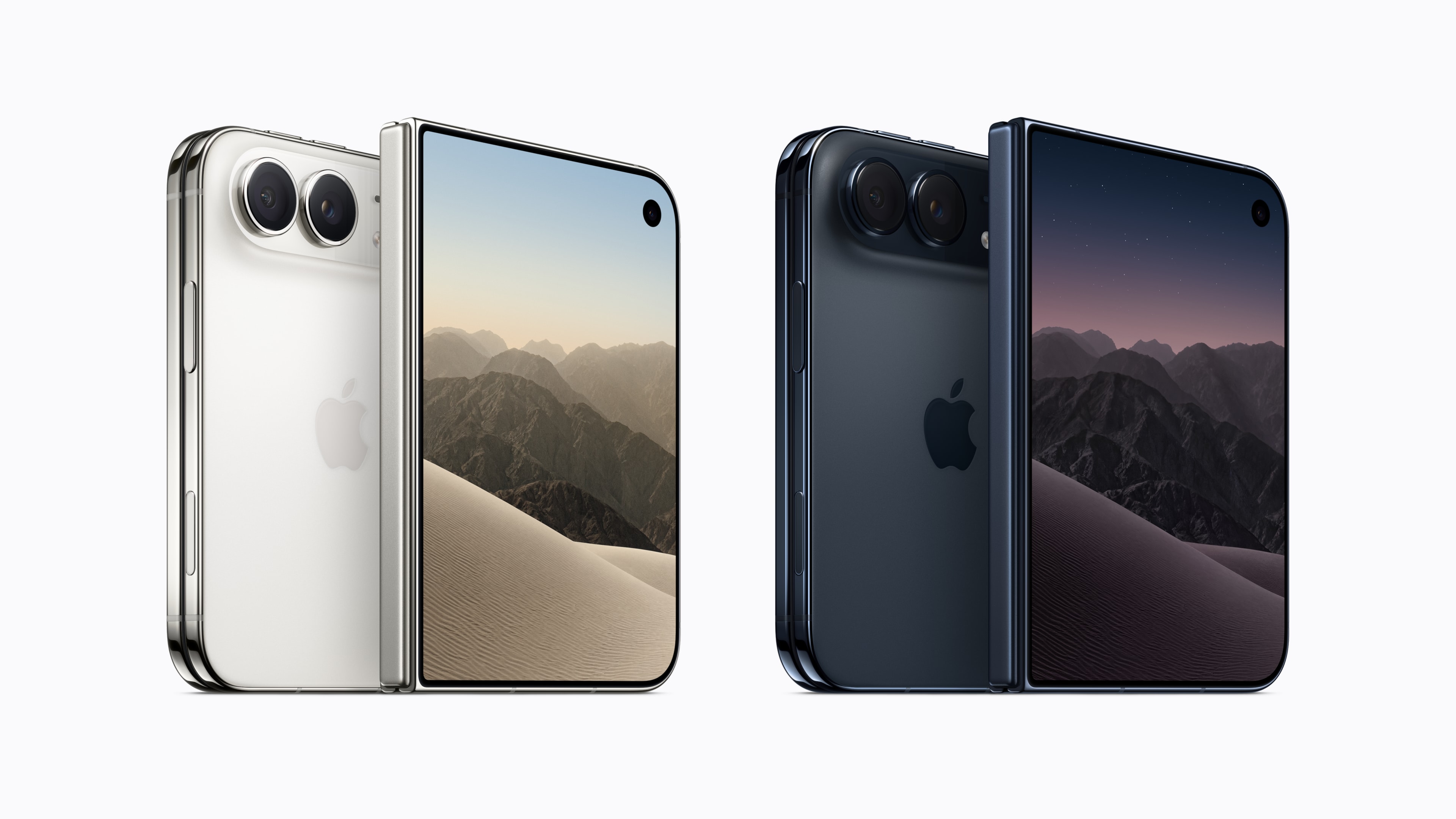
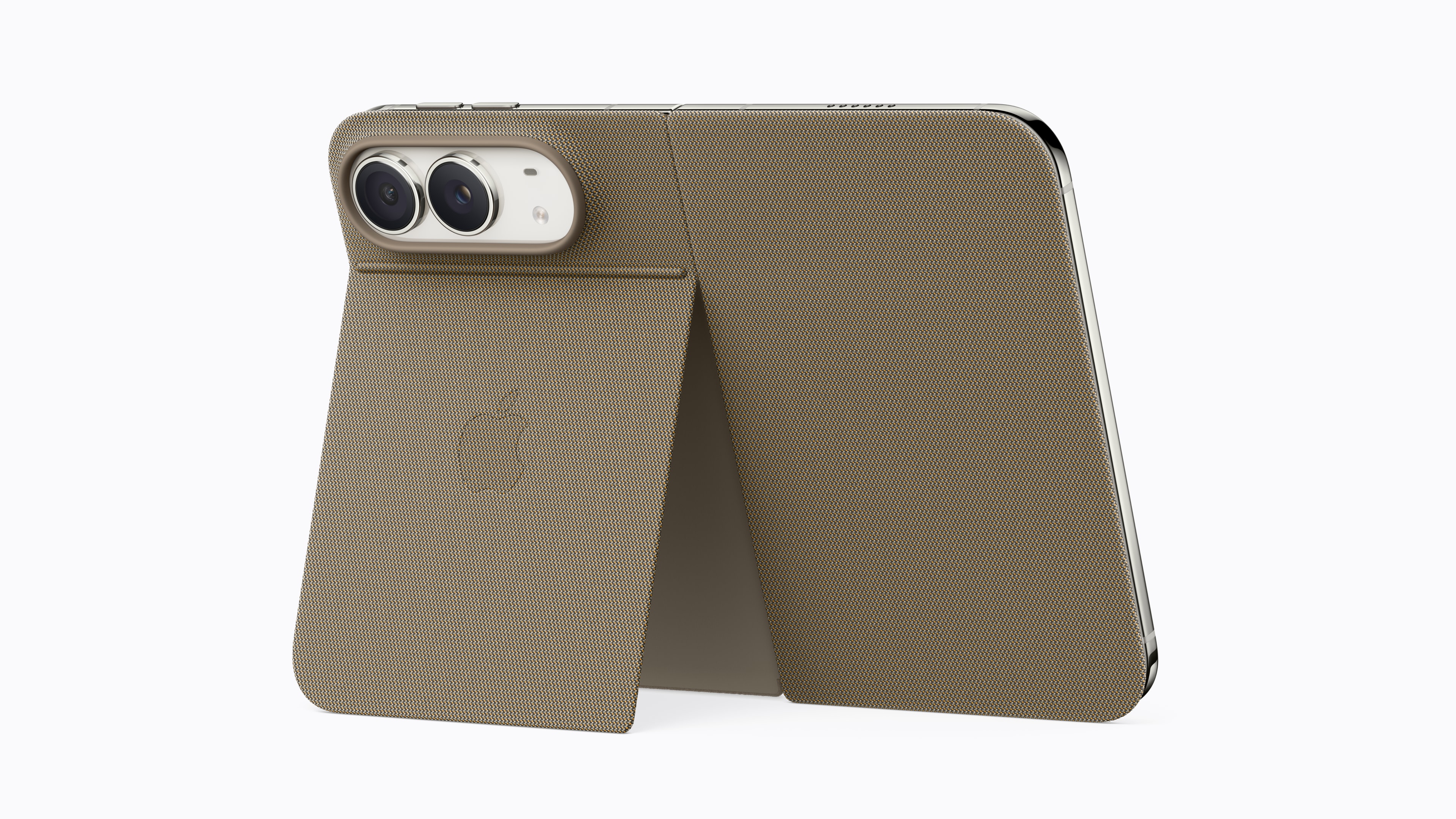
A TechCrunch editor went on a five-day vacation with the new iPhone Duo — a test device provided by Apple — and, just in case, brought along his usual iPhone 17 Pro Max. The author admits that in the first days he several times considered 'switching back,' irritated by broken apps, unfamiliar gestures, and the return to Touch ID. But by the end of the trip, he didn't want to go back to the Pro Max. The author notes that even before receiving the device, he was seriously considering how to save up about $2,000 to buy one and was browsing reviews of Duo cases on TikTok.
Durability and practicality
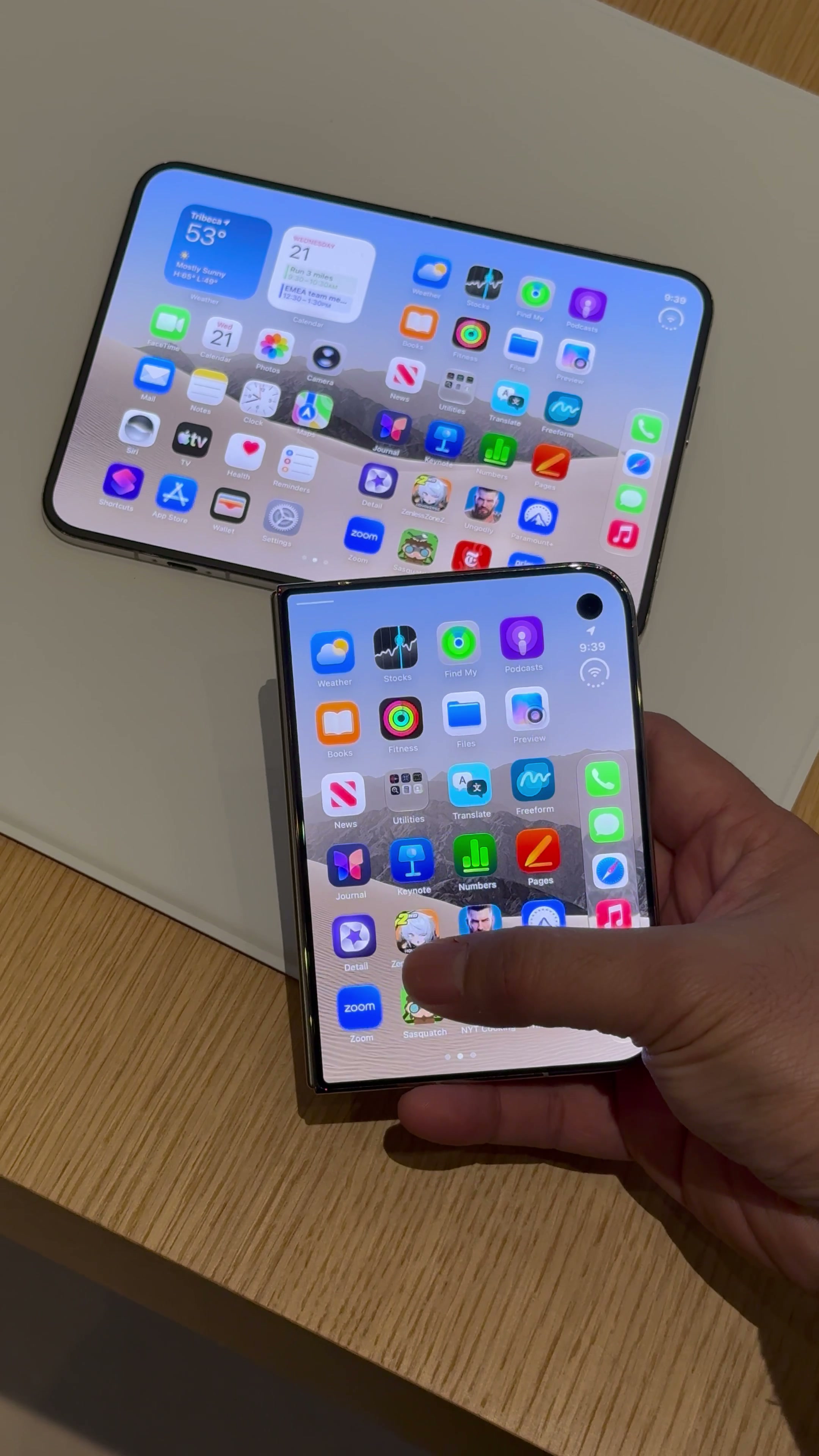
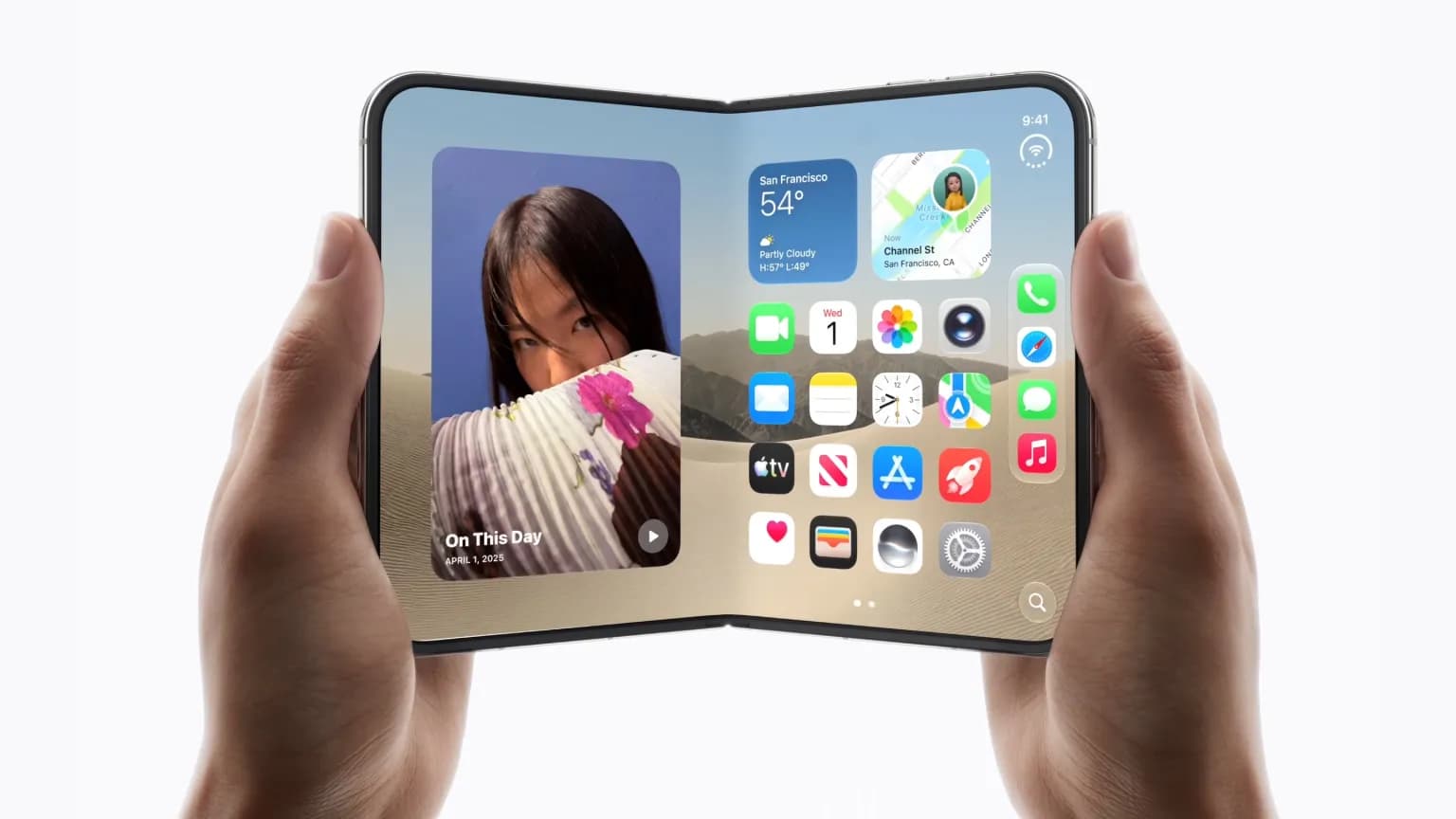
Despite its unusual short and 'squat' form factor, the phone turned out to be surprisingly resilient in everyday conditions: the author sat on it repeatedly in his back pocket, dropped it at least three times — on concrete, tile, and wood — and never cracked the screen. Apps not optimized for the Duo, with their characteristic black bar on the side, are in the author's view more of an aesthetic than a functional problem: Google Maps, without an update, worked fine on the trip, and developers are releasing Duo-optimized versions fairly quickly — Apple itself published materials about new apps for the form factor.
The main irritants: Touch ID and Google Search
The author calls the most serious drawback not the camera and not the screen, but Touch ID: paying via Apple Pay with bags and a dog leash in hand was noticeably more awkward than with Face ID, and the author considers this a real dealbreaker for some buyers. According to available reports, a future version of the Duo is reportedly set to get under-display Face ID. The second irritant is the Google Search app, which repeatedly froze, in the author's observation, in AI Mode; the workaround is to force-close the app. The author quips that, against the backdrop of Google's declining search share, as CNBC wrote in Alphabet's earnings coverage, the company did not prioritize making its app work well on Apple's newest device.
Camera: not for professionals
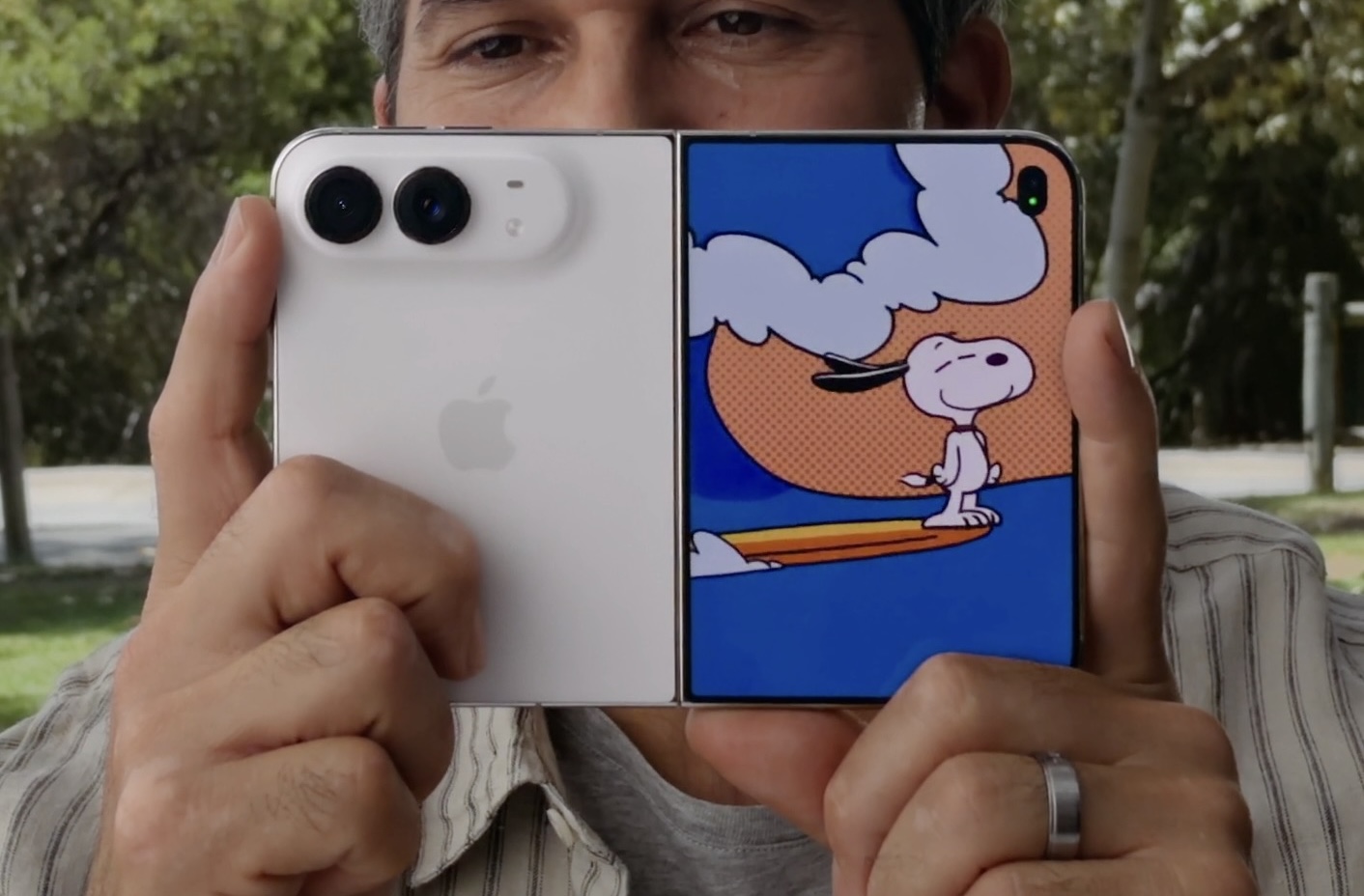
The Duo has two telephoto lenses versus three on the 17 Pro Max, lacks a telephoto lens, offers 10x digital zoom versus 40x, and has no ProRAW or ProRes. The author's conclusion: photographers and content creators shouldn't take the Duo as their primary device. For casual shooting, the camera is 'fine, but not great': processing sometimes 'overcooks' fine details like foliage, and distant landscapes look flatter — though the author caveats that the Blue Ridge is naturally hazy, and the camera's degree of blame is unclear.
Why the Duo anyway
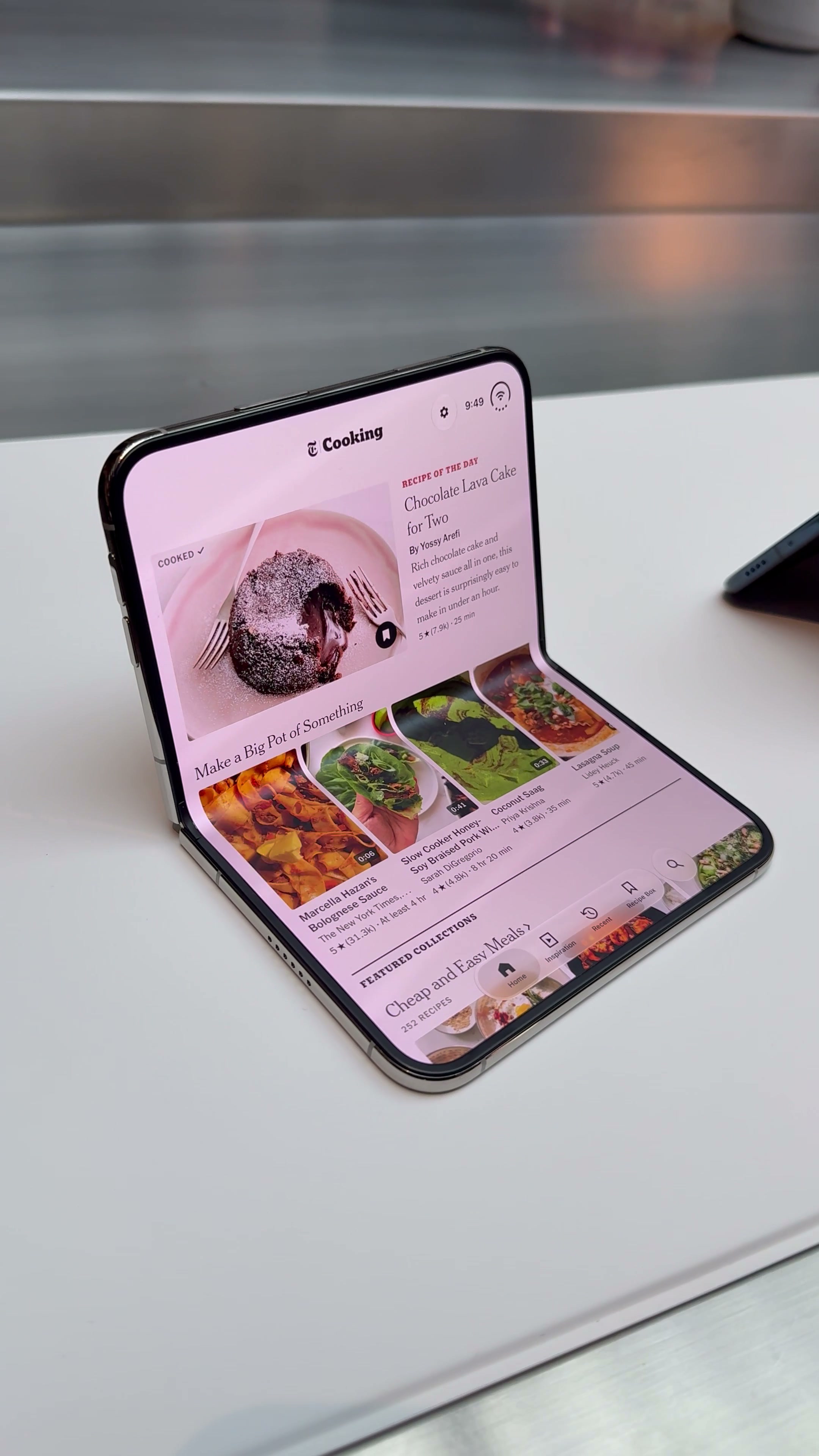
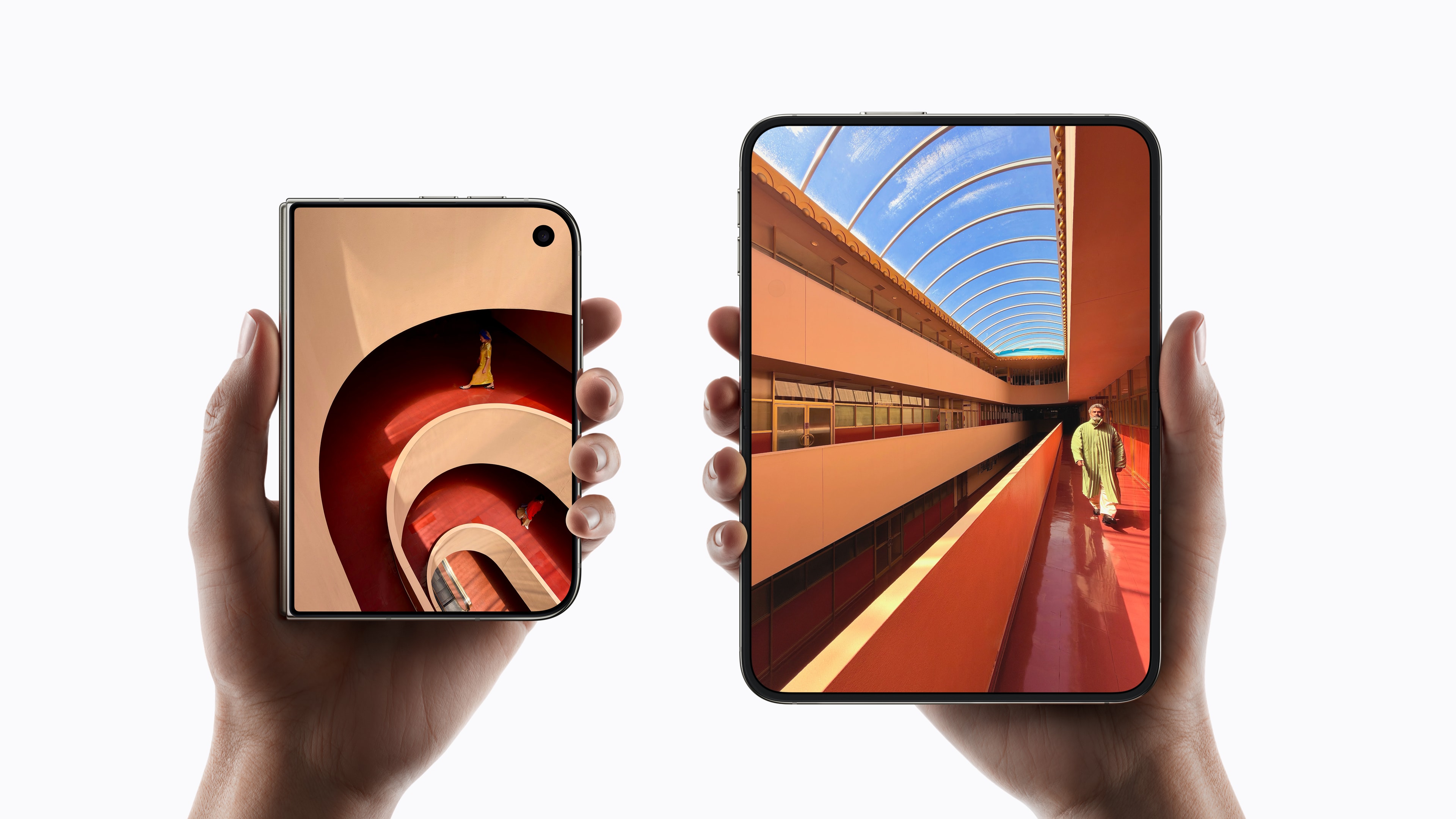
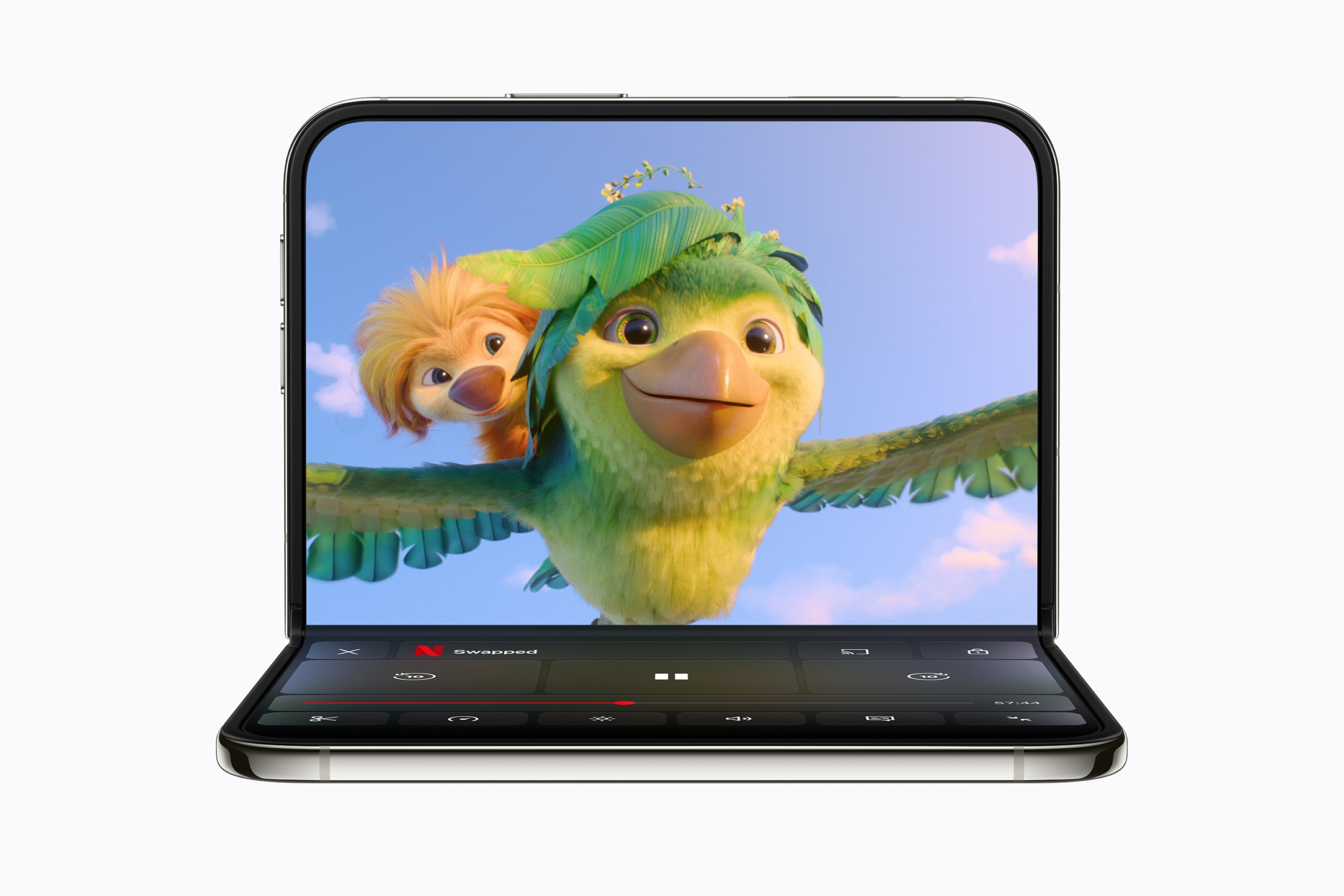
Arguments in favor: it's the first foldable iPhone, with a barely noticeable crease, well-matched screen aspect ratios, and the iOS ecosystem. Strangers on vacation looked at the device with interest — the author had about half a dozen conversations with strangers, including the owner of a former Samsung Galaxy Fold whose screen was ruined by sand in the hinge (according to The Verge, this was not uncommon for early foldables). The Duo has an IP68 rating — dust-tight — whereas the Galaxy Z Fold 8 is only IP48. An unexpected behavioral effect: when folded, the phone pulls you less into endless TikTok and Instagram scrolling, and unfolding becomes a deliberate action — for example, for Netflix or a split screen with Inoreader and X. In the author's view, this echoes the growing wave of interest in 'retro technology' that TechCrunch wrote about earlier.