The key facts
- Evacuation began on the fourth day of the truce — the most significant pause since the start of the full-scale war
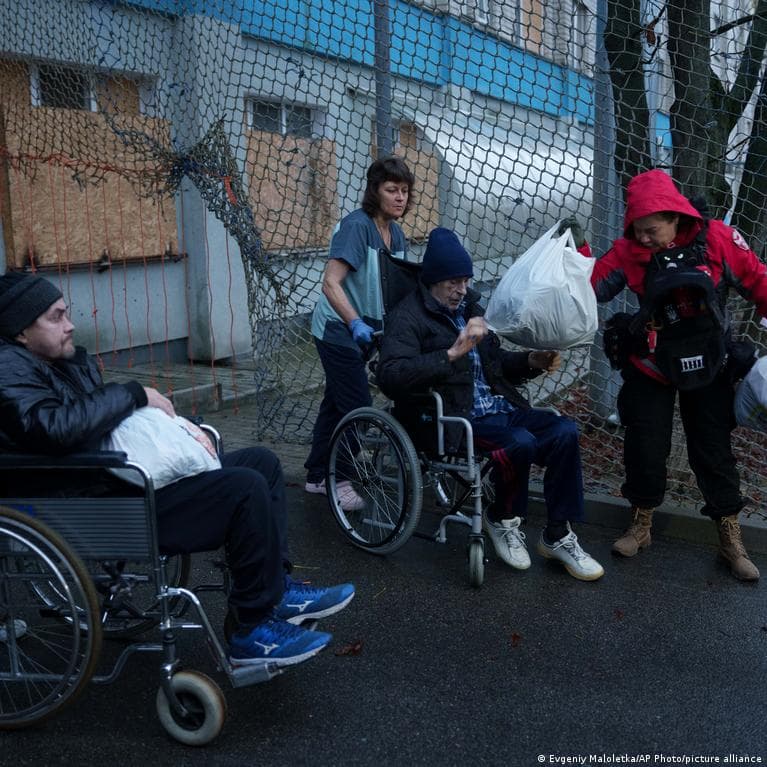
- A convoy of 25 buses delivered food and medicine; Melania Trump reported that over 750 people were safely evacuated
- Residents were offered a choice: leave for Ukrainian-controlled territory, Russian-controlled territory, or remain in the city
Evacuation amid a rare truce
Residents of Oleksy, occupied by Russia in Kherson region, began leaving the city on Friday, the fourth day of a local truce. According to Deutsche Welle, this is the most significant pause since the start of Russia's full-scale invasion of Ukraine more than four years ago. The truce was organized with the mediation of US First Lady Melania Trump; Pope Leo XIV also participated in negotiations with Russian and Ukrainian leaders regarding the delivery of aid and the evacuation of civilians.
Aid convoy and demining operations
As part of the agreements, a humanitarian convoy consisting of 25 buses, along with ambulances, trucks, and other vehicles, arrived in the city on Friday morning, delivering food and medicine to residents. Prior to the convoy's arrival, demining operations were conducted; during these operations, reportedly, a Russian sapper and one other person were killed. The operation marked a rare joint humanitarian effort by Ukrainian and Russian officials and is expected to continue until Sunday evening.
Choices for residents and number of evacuees
According to the plan, approximately 2,000 remaining residents of Oleksy could choose to leave for Ukrainian-controlled territory, Russian-controlled territory, or stay in the city with replenished supplies of food and medicine. The route to Ukraine was difficult: 450 kilometers through occupied Crimea to Anapa in southern Russia, followed by a flight to Belarus and crossing the border into northern Ukraine. The head of the Russian side of the mission, Yana Lantratova, stated that buses would transport those wishing to live in Russia. The exact number of people who left remained unclear; however, Melania Trump reported on social media that the convoy safely evacuated more than 750 people.
Conditions in the city and coordination
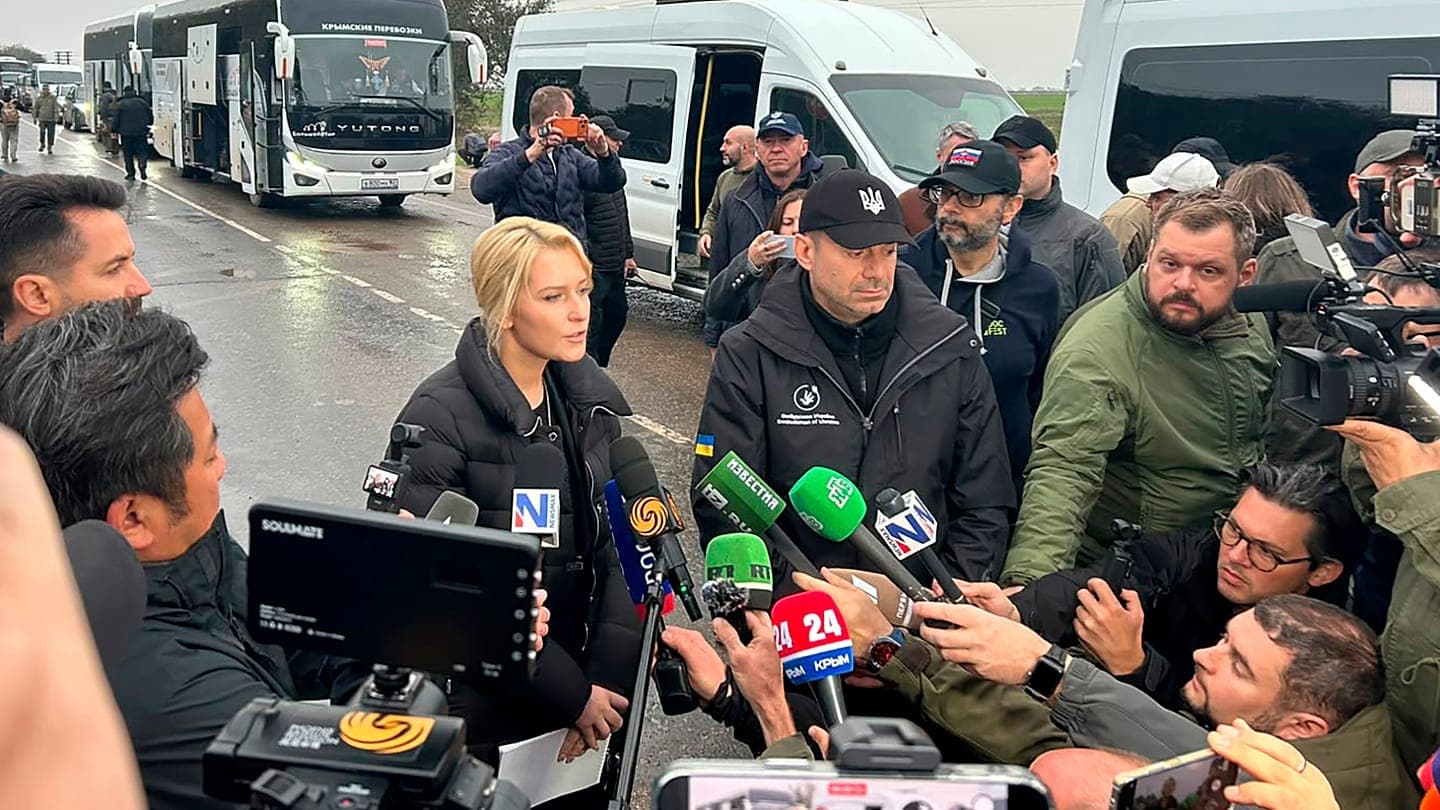
Residents reported severe conditions: they had to move along roads littered with mines in search of food and water. 'The problem is that many remain,' one woman told Dmytro Lubinets, the Verkhovna Rada Commissioner for Human Rights. 'They tell me it is their own choice,' he replied. 'At the very least, we will do everything possible to ensure humanitarian aid somehow gets through.' Lubinets coordinated the operation with Lantratova; the two officials appeared side by side at a meeting with journalists and were mutually polite — according to Deutsche Welle, such behavior between Russian and Ukrainian officials had not been observed since the beginning of the war.