The key facts
- Total debt for water and sewerage as of October 1, 2026 — 542.6 billion soums, of which 430.7 billion owed by the population
- Largest debts: Tashkent (92.9 billion), Andijan (74.1 billion) and Tashkent (61.6 billion) regions
- 167,783 collection applications filed, 114,305 writs of execution and court orders issued
The scale of the debt and its distribution across regions
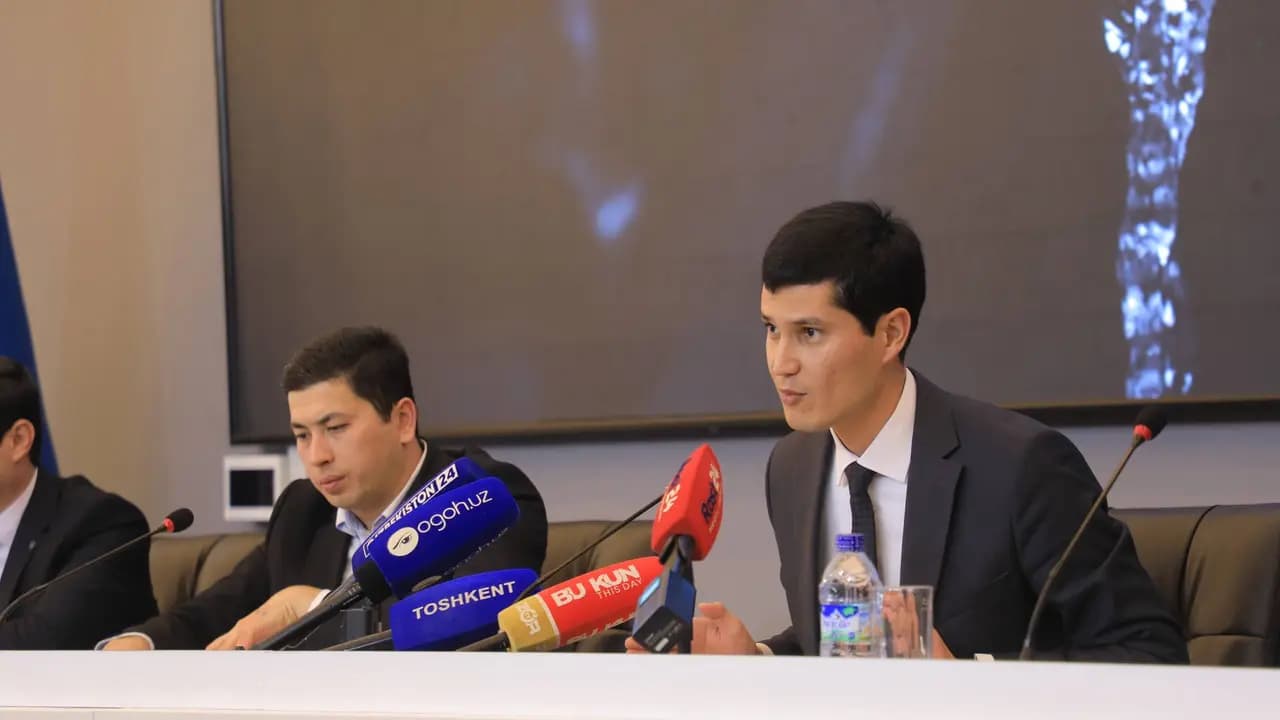
As of October 1, 2026, the total debt of households and enterprises for drinking water and sewerage services reached 542.6 billion soums. These figures were presented on October 30 at a press conference in Tashkent by officials of JSC Uzsuvtaminot, as reported by Daryo.uz. Individuals account for 430.7 billion soums of the debt, while legal entities owe 111.8 billion soums.
Regions and collection measures
The largest debt was recorded in Tashkent — 92.9 billion soums. It is followed by Andijan Region (74.1 billion), Tashkent Region (61.6 billion) and Fergana Region (57 billion). During the period of 2026, 167,783 applications for debt collection were filed with notary offices and courts; 114,305 writs of execution and court orders were issued, of which 110,563 documents were sent to the Bureau of Forced Execution.
Payment procedure and planned restrictions
Under the current procedure, payment must be made in full by the 10th day of each month. If a consumer has a debt, they are first given a written warning; if the debt remains unpaid, service restrictions and collection in the established manner are applied. It was previously reported that from January 1, 2027 debtors for water and sewerage may face restrictions on accepting payments for electricity — this measure is currently indicated as possible, not yet in force.

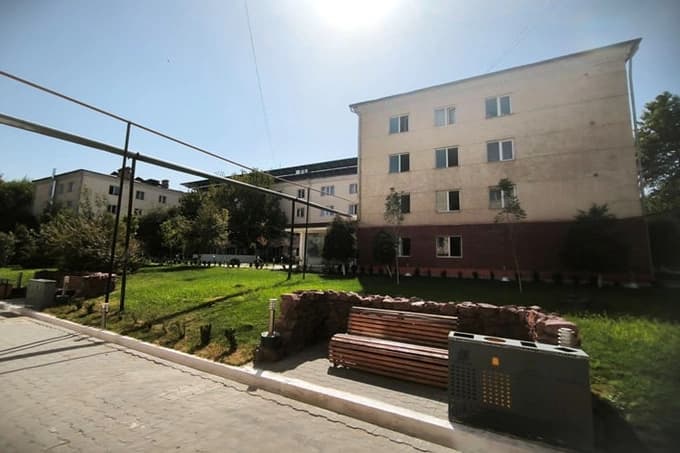
Photo: JSC Uzsuvtaminot

Photo: JSC Uzsuvtaminot