The key facts
- UKMTO recorded more than 30 attacks in October — twice as many as in September and more than the 30 attacks in March
- Since the war began on February 28, 145 incidents have been registered; the actual number may be higher
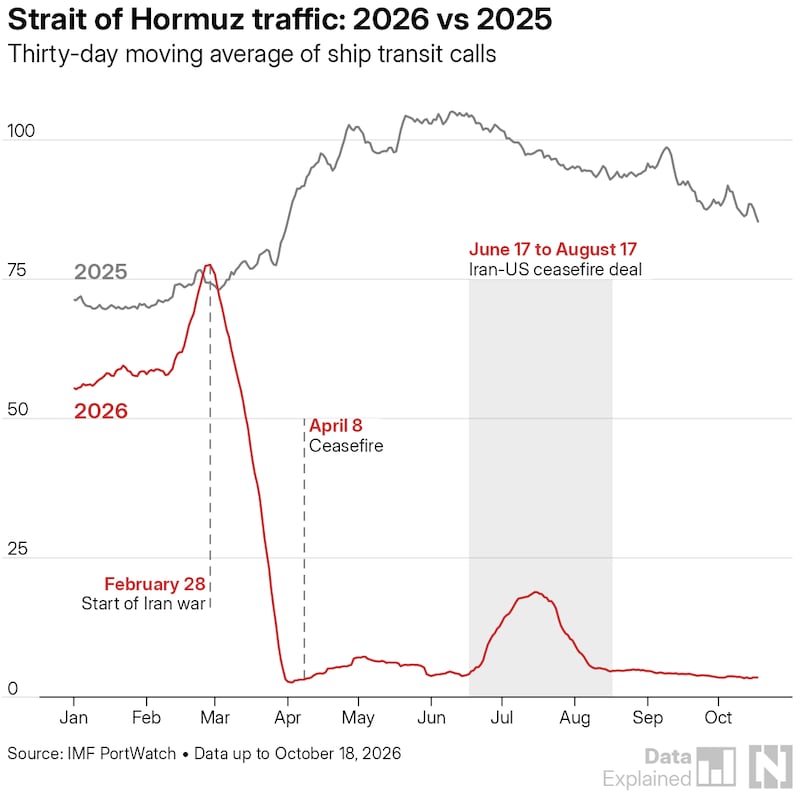
- US command says more than 95% of vessels transit the strait safely; a force buildup is underway in the region
October has become the most dangerous month for shipping
The number of attacks on commercial vessels in the Strait of Hormuz, the Gulf of Oman and the Persian Gulf in October reached its highest monthly level since the start of the Iranian-American war: more than 30 incidents were reported. This is according to UKMTO — an agency affiliated with the British Navy, which monitors the maritime situation in the region (The National). This is more than double the September figure and even exceeds March — the first full month of the conflict, when 30 attacks were recorded. Since the war began on February 28, the agency has registered 145 incidents; the actual number of attacks may be higher, since UKMTO only takes into account reports from verified vessels operating in the region.
Recent incidents and conflicting assessments
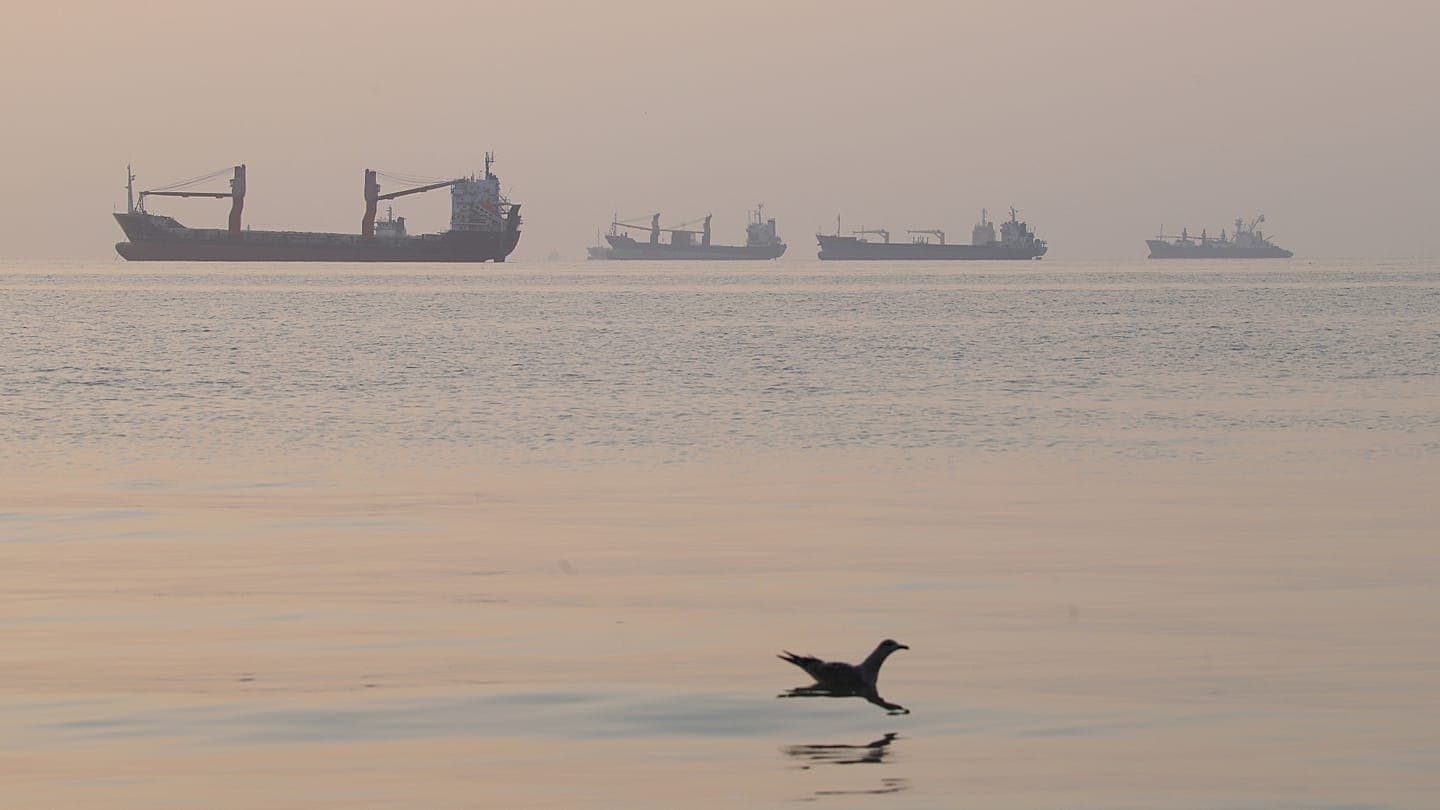
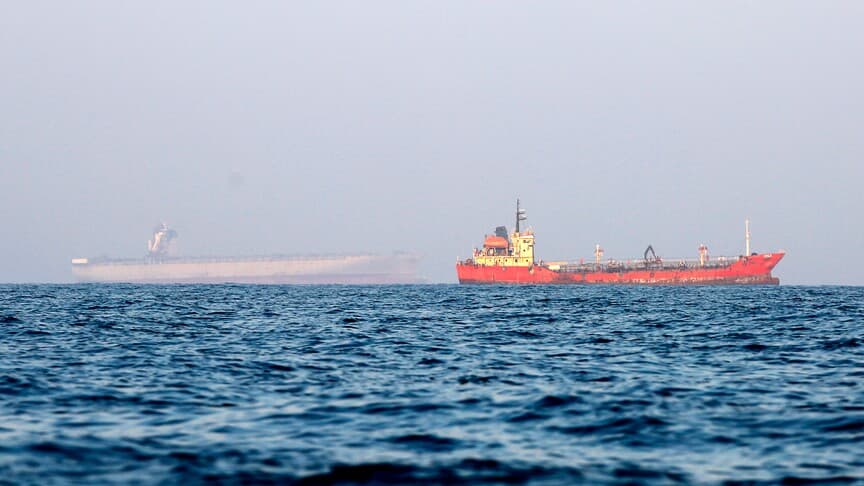
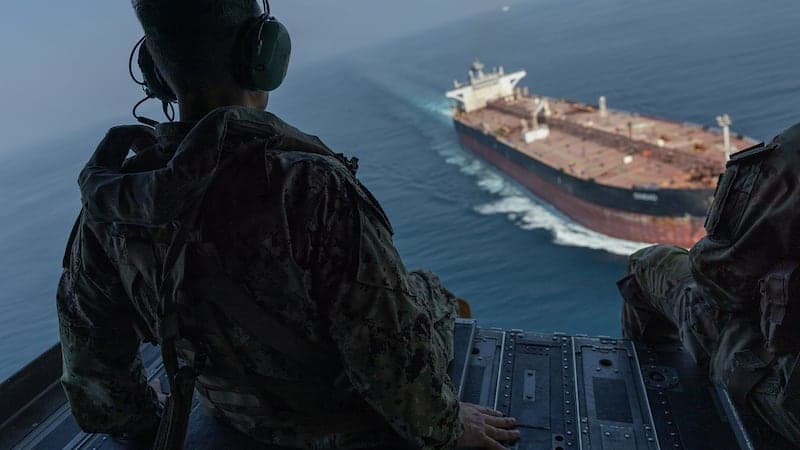
On Friday, a crude oil tanker was struck by an unknown projectile while leaving the Strait of Hormuz; UKMTO reported an investigation and advised vessels to transit the strait with caution. Iran's Islamic Revolutionary Guard Corps, for its part, said that between Friday and Saturday four oil tankers caught fire and exploded in the strait. These figures contrast with repeated US statements that the strategic waterway is open and protected by their forces: according to CENTCOM, in recent months more than 95% of vessels have transited the strait safely, which, according to the command, 'clearly demonstrates US and regional partners' control over the international waterway.' CENTCOM commander Admiral Brad Cooper, who visited the region this week — where more than 10,000 American service members are enforcing a naval blockade of Iranian ports and oil terminals — said that from the air he saw dozens of vessels of various types and saw no IRGC forces.
Preparing for a possible new round of conflict
Admiral Cooper's visit coincided with reports of preparations for a possible resumption of the war between the United States, Israel and Iran. According to Israeli media, the country's defense ministry is preparing for a new round of conflict, both offensively and defensively, although US President Donald Trump has not yet made a decision to launch a new military campaign. The preparations are accompanied by a significant buildup of the American force presence in the region — 12 destroyers, two aircraft carriers and increased aviation activity. Israeli officials stressed that these measures remain preliminary and are intended, at least in part, to provide Trump with military options in case of a decision to strike; Israel, meanwhile, is updating its lists of potential targets in Iran and preparing for a possible Iranian response in the event of an American attack.