The key facts
- The IRGC reported two tankers stopped in the southern waters of the strait after 'incidents' on unauthorized routes
- UKMTO confirmed an attack on the tanker Louise 1 with two explosive devices; the fire was extinguished and the crew is safe
- CENTCOM commander Brad Cooper stated that the main shipping lanes have been cleared of Iranian mines and Iran's fleet has been destroyed
- CENTCOM Commander Brad Cooper stated that the main shipping lanes have been cleared of Iranian mines and Iran's fleet has been destroyed
Tanker incidents and conflicting statements from the parties
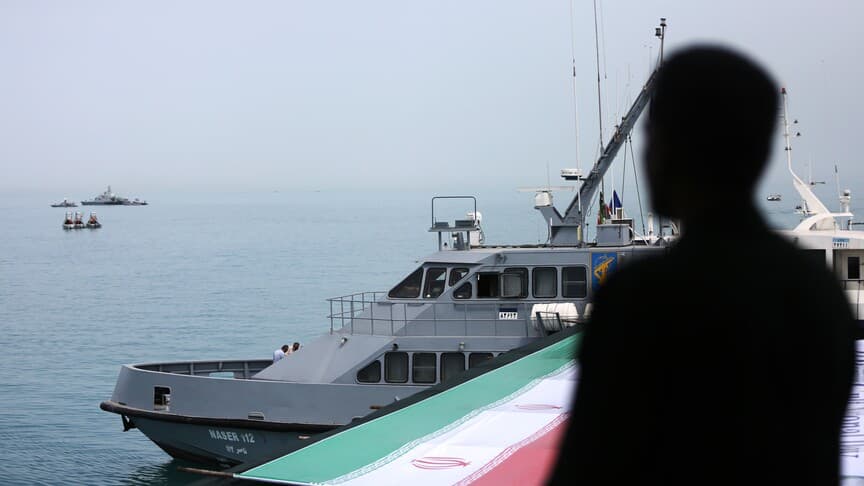
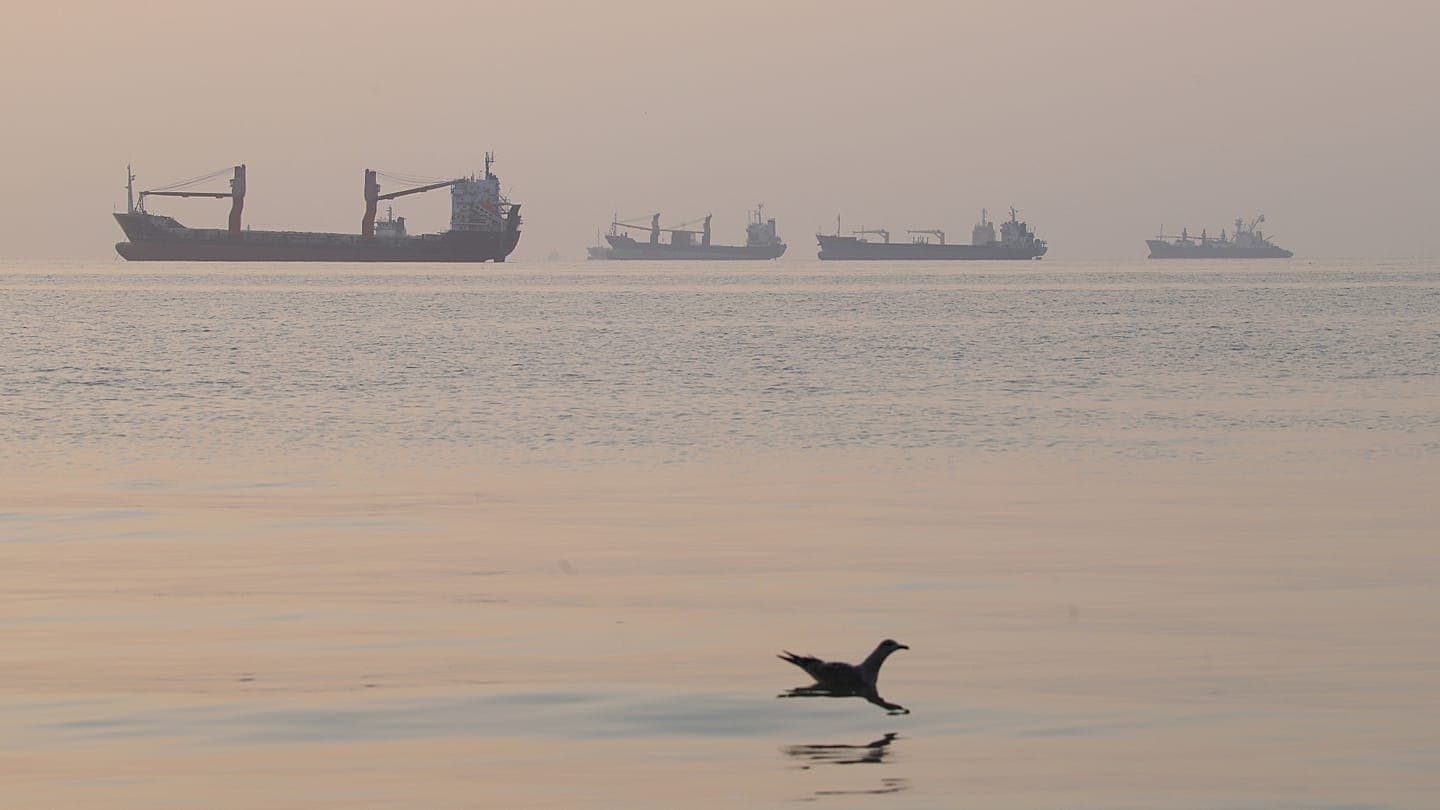
The Islamic Revolutionary Guard Corps (IRGC) reported on October 30 that two oil tankers encountered incidents while attempting to pass through the eastern and western parts of the Strait of Hormuz along routes that Tehran considers unauthorized, after which both vessels were stopped in the southern waters of the strait. According to the IRGC, the tankers switched off their navigation systems and attempted to leave the strait with the support of the American military, ignoring repeated radio warnings. Details — the vessels' names, flags, the causes of the incidents, and the condition of the crews — are not being disclosed, reports euronews.
Attack on Louise 1 and evacuation off Musandam
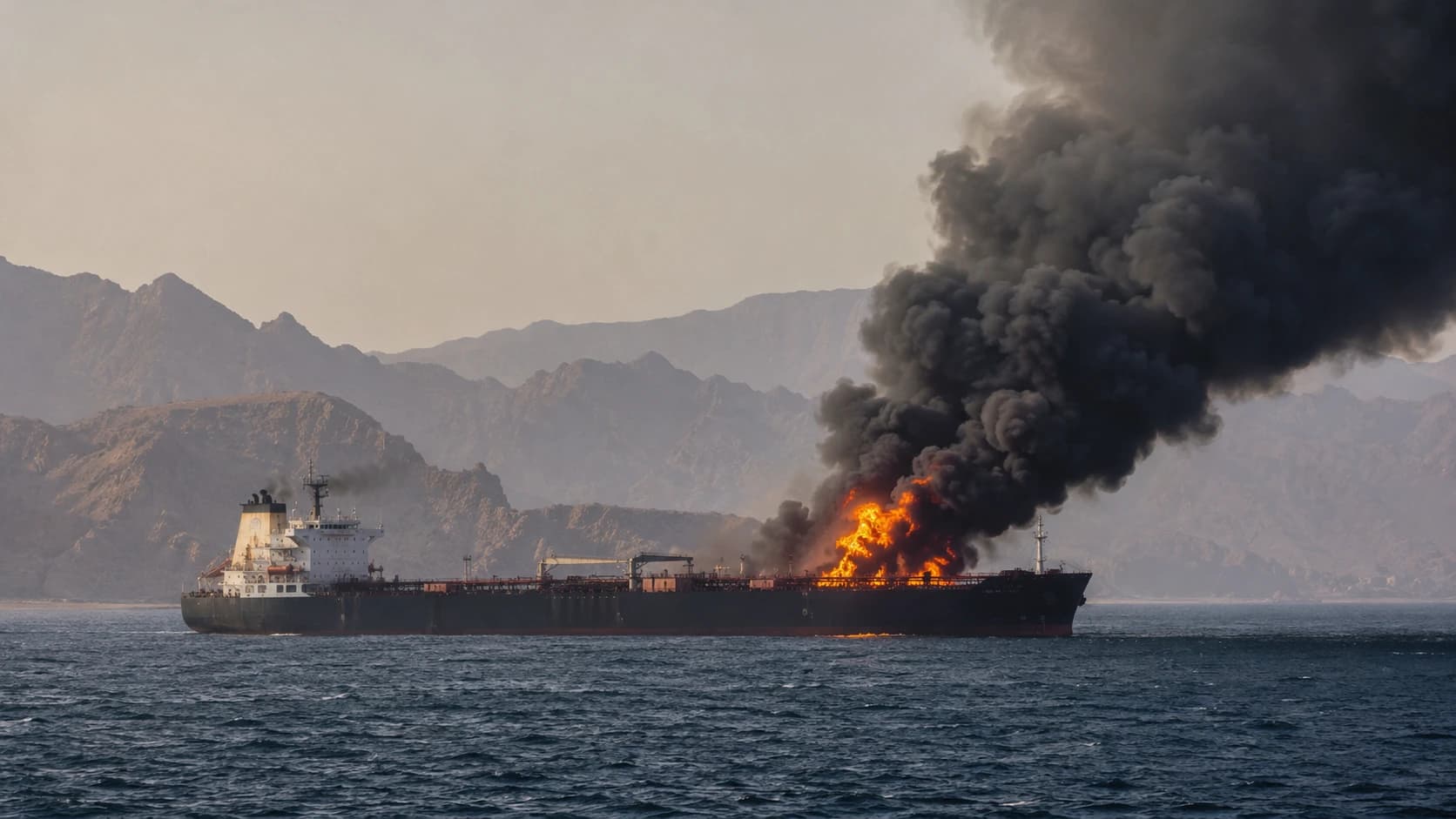
In a separate incident, whose connection to the IRGC's statements remains unclear, UKMTO (British Maritime Trade Operations) reported that on Thursday evening a small boat approached a tanker and attached two explosive devices to its hull above the waterline. After detonation, a fire broke out in the engine room, and the vessel temporarily lost propulsion. The Financial Times identified the tanker as Louise 1; the incident occurred approximately 25 nautical miles northeast of Hasab in Oman. According to UKMTO, the fire has been extinguished, the crew is safe, there is no environmental pollution, and the tanker continued on its way. The outlet notes that this appears to be the first successful use of limpet mines against a vessel in the strait since the start of the US-Iran war in February 2026. No one has claimed responsibility for the attack.
Crew evacuation and a series of incidents on October 29
Oman's Maritime Security Center reported that the country's naval forces evacuated 25 crew members from a Panama-flagged vessel that came under attack and caught fire approximately 1.6 nautical miles off the coast of Musandam. The crew received the necessary medical assistance; the vessel and the perpetrators of the attack were not named, and the connection to other incidents is unclear. Friday's statements were preceded by IRGC reports from October 29 about three tankers that had allegedly struck sea mines on the southern route of the strait, and a report from Iran's regular army about another tanker that caught fire in the eastern part of the strait. According to Agence France-Presse, Iranian officials stated that all four vessels were in prohibited and unsafe zones. It is unclear whether the two tankers mentioned in Friday's statement are new vessels or coincide with Thursday's incidents.
The US position and the diplomatic track
The commander of US Central Command, Admiral Brad Cooper, stated that the main shipping lanes of the strait have been cleared of Iranian mines, the Iranian fleet has been destroyed, and IRGC forces are no longer operating in the waterway. CENTCOM also rejected the IRGC's claim of having captured an American MQM-170 Outlaw drone. Iranian sources, for their part, reported the destruction of an American surface drone in the eastern part of the strait; the American military had neither confirmed nor denied this at the time of publication. The conflict over shipping routes continues: Iran demands coordination of vessel movements and the use of routes along the northern shores, while vessels avoiding Iranian control travel along the southern route.
Qatar-mediated negotiations
Against the backdrop of the incidents, Qatari mediators returned to Tehran on October 30 to continue efforts to reach an agreement between Iran and the United States. CBS News, citing a source familiar with the negotiations, reported signs of progress and an expectation of Iran's response to a revised proposal by the end of the week. According to Axios, the mediators are seeking common ground on issues of inspections of Iran's nuclear facilities and sanctions relief, though disagreements over the conditions for formally starting negotiations remain. Axios also reported that the United States and Israel are considering options for large-scale strikes on Iran after the November 3 midterm elections. The Associated Press, citing two diplomats, reported that Washington warned regional allies of the possibility of renewed attacks, although Trump has not made a final decision. Speaking on the radio in Kansas City on Friday, Trump said the war with Iran would end 'soon,' without specifying whether diplomatically or militarily, and repeated his demand for guarantees that Iran will never obtain nuclear weapons. There are still no clear signs of agreement on the terms for ending the war.