The key facts
- Countries agreed a new nature action plan in Yerevan after two weeks of talks
- According to the UN, the world is on track to meet only one of the 24 targets of the Global Biodiversity Framework
- More than $1 billion was pledged at the meeting, half of it from philanthropists, including Leonardo DiCaprio's Re:wild
Agreement reached late
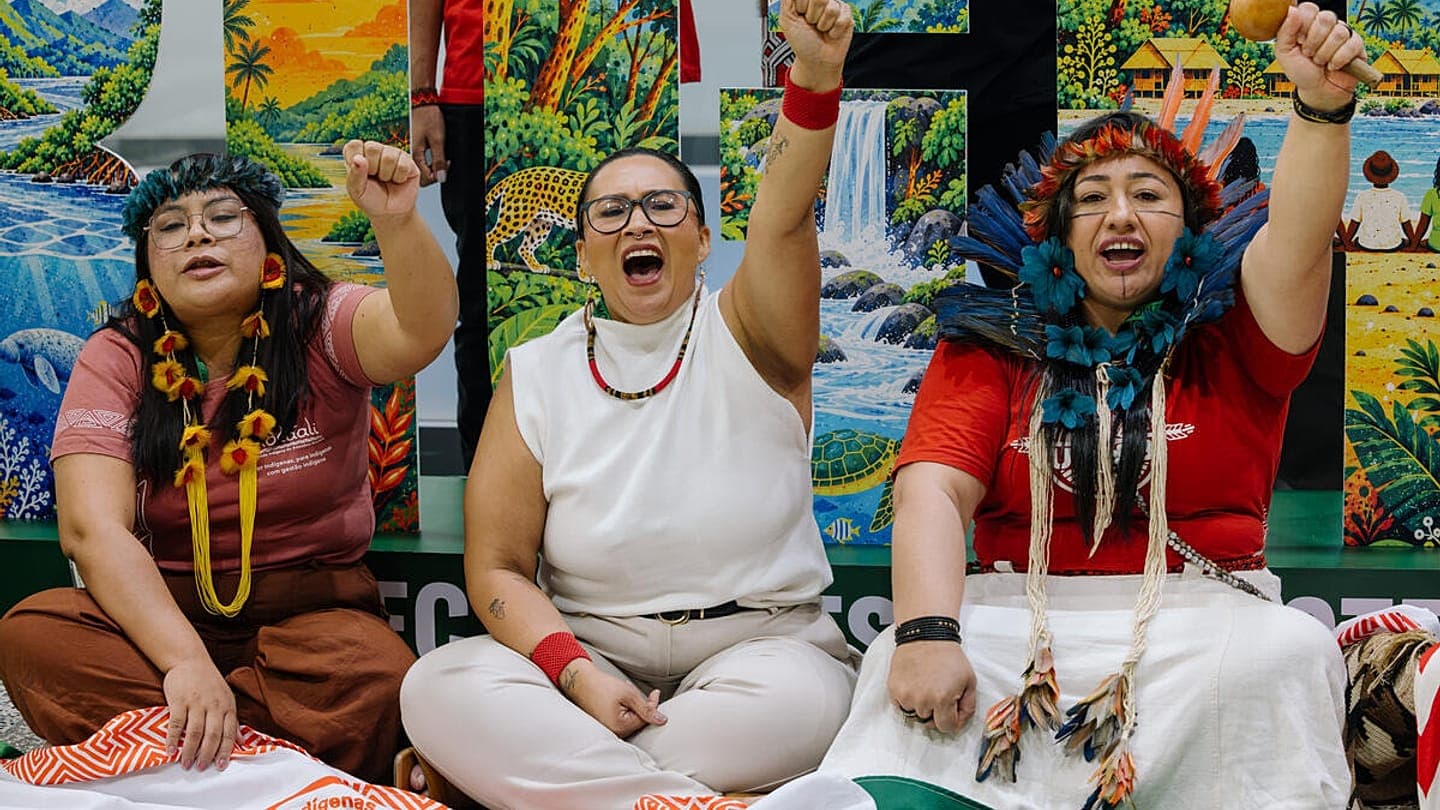
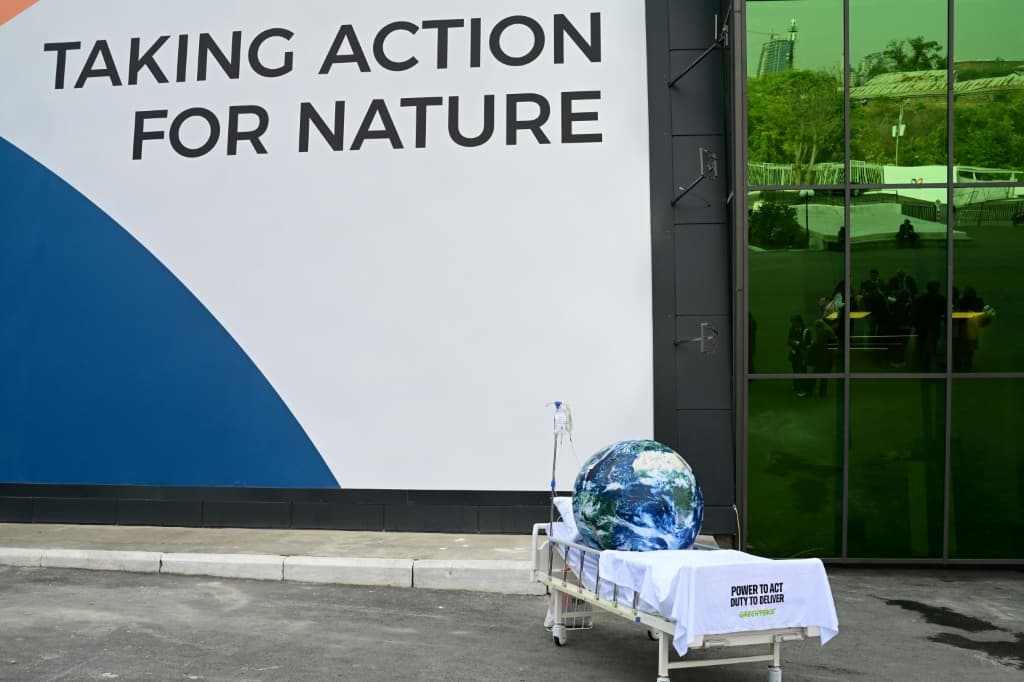
In Armenia's capital Yerevan, delegates from nearly 200 countries spent about two weeks negotiating a new nature agreement. The key parts of the new action plan were agreed in the early hours of Saturday, hours after the scheduled deadline for concluding the talks had passed. 'And that's it. Great,' concluded the meeting's chair, Ambartsum Matevosyan. This is reported by BBC News.
Falling behind the 2022 targets
Four years ago, the same countries signed the Global Biodiversity Framework with 24 targets, including protecting 30% of the world's land and seas by the end of the decade. According to UN data published this week, the world is on track to meet only one of these two dozen targets, and in the new agreement countries acknowledged they are behind schedule. Scientists note that the world is in its sixth mass extinction: species are disappearing due to human activity roughly 100 times faster than the natural rate.
Money is the main barrier
Countries acknowledged that the main barrier to accelerating efforts is money. In 2022, they agreed to direct $30 billion toward restoring nature by the end of the decade and to attract another $170 billion from private sources, but, according to the UN, commitments are not coming in at the required pace: many states are redirecting international aid to defence budgets and to coping with energy shocks. At this meeting, more than $1 billion was pledged, half of it from philanthropists, including Leonardo DiCaprio's organisation Re:wild. Little progress was made on the Cali Fund — a voluntary fund for companies profiting from genetic material taken from nature: by the start of the meeting only $10,000 had been pledged, despite an estimated potential of up to $3.6 billion a year. Craig Bennett, head of The Wildlife Trusts, admitted that the fund's voluntary nature makes it difficult to pressure companies.
There are positive examples too
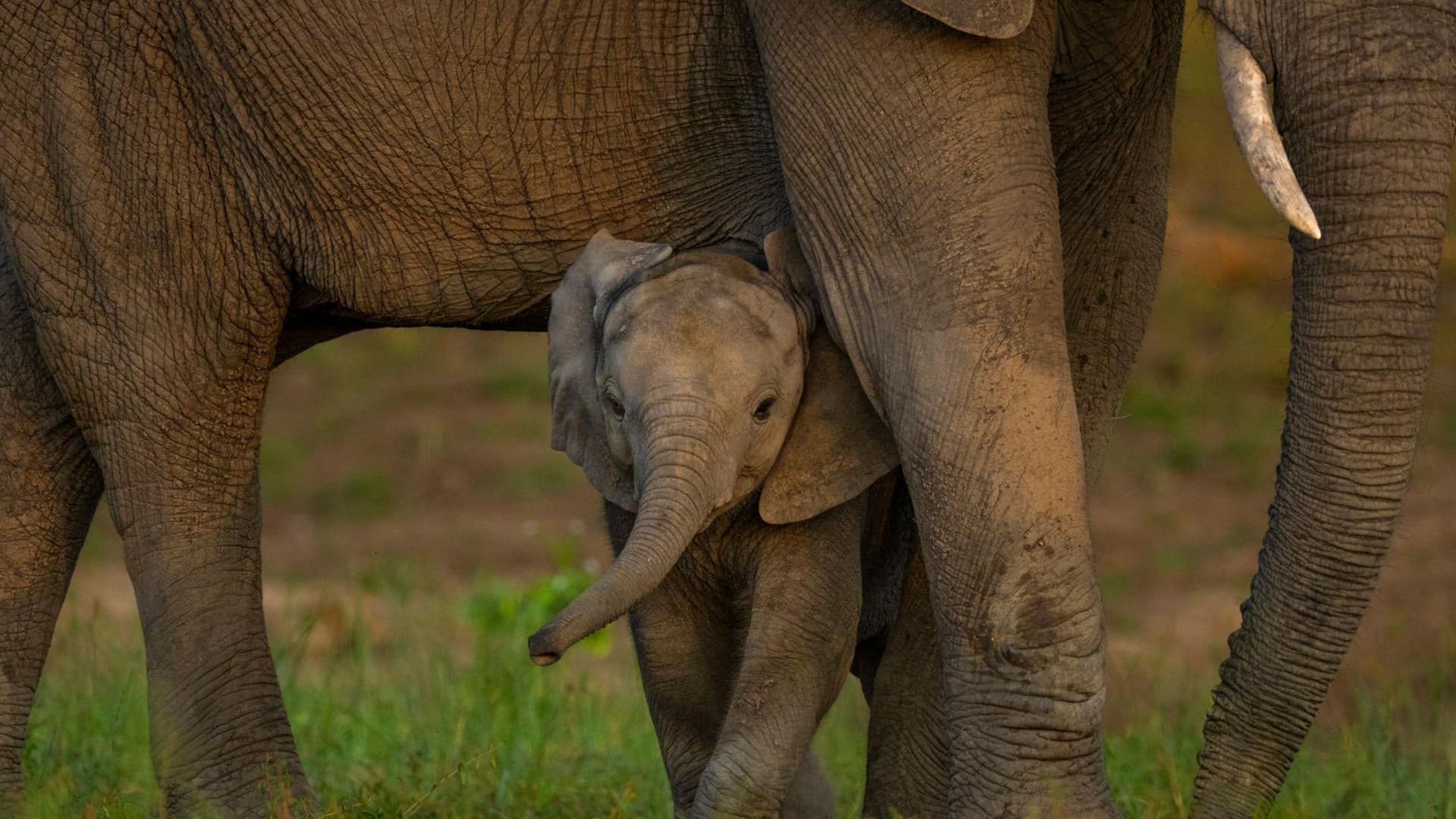
Despite the overall lag, there are confirmed results: countries have placed under protection 252 million hectares of degraded land — an area larger than Greenland. Last month, WWF highlighted the recovery of key species, including elephants, green sea turtles and tigers. Anna Ducros, a researcher at the International Institute for Environment and Development who attended the talks, noted progress in commitments to cut subsidies to industries harmful to nature, such as large-scale trawl fishing: 'Right now governments are paying twice — they need to increase spending on nature and climate, but at the same time they are damaging nature.'
Disputes over science and a look ahead to COP31
One of the straightforward items on the agenda should have been the adoption of scientific reports on the state of nature, but, according to reports, this was blocked by a small group of countries including Saudi Arabia and Russia. 'The attacks on science worry me greatly,' France's Minister for the Ecological Transition Monique Barbut told the AFP agency. Next month, countries will gather at the COP31 climate conference, where the IPCC scientific body has already faced similar difficulties in adopting reports and securing funding. 'This is such a blatant political manoeuvre... and the IPCC is no place for such political games, since its findings serve the interests of humanity,' said Professor David Lee of the University of Manchester, who has worked on previous reports.
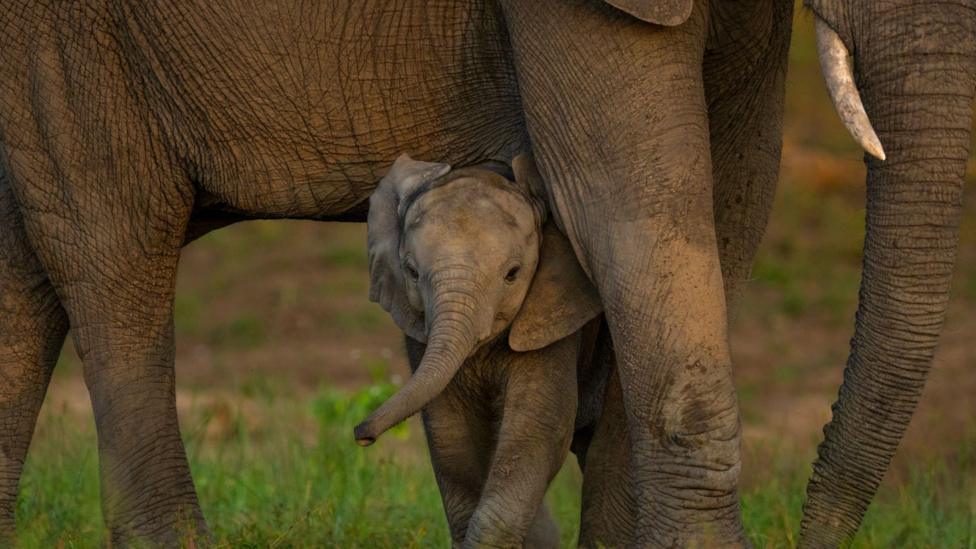 Image source, Andrew Parkinson/WWF
Elephants in Southern Africa are one of the species that have recovered after recent conservation efforts
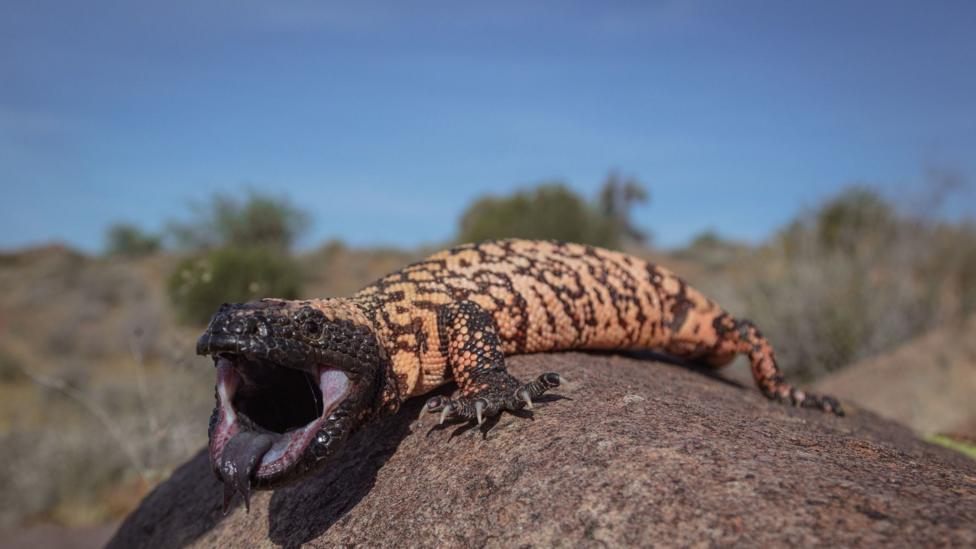 Image source, Alexander Wong/Getty Images
Genetic material harvested from animals like the Gila monster has provided life-saving drugs