The key facts
- Less than half of the assessed national targets under the Kunming-Montreal Framework are on track; only about 19% of land and 10% of oceans are protected, falling short of the 30% target by 2030.
- Less than half of the assessed national targets of the Kunming-Montreal Global Biodiversity Framework are on track; about 19% of land and 10% of oceans are protected against the 30% goal for 2030.
- Key decisions regarding the 'global stocktake', funding mechanisms, and harmful subsidies remain unresolved in the final hours of the summit.
- Disputes persist over who should pay: the EU insists that wealthy emerging economies must contribute, while Saudi Arabia and Qatar reportedly oppose this.
- Disputes over who should pay: the EU insists on the participation of wealthy developing economies, while Saudi Arabia and Qatar are reportedly opposed.
Yerevan summit draws interim conclusions
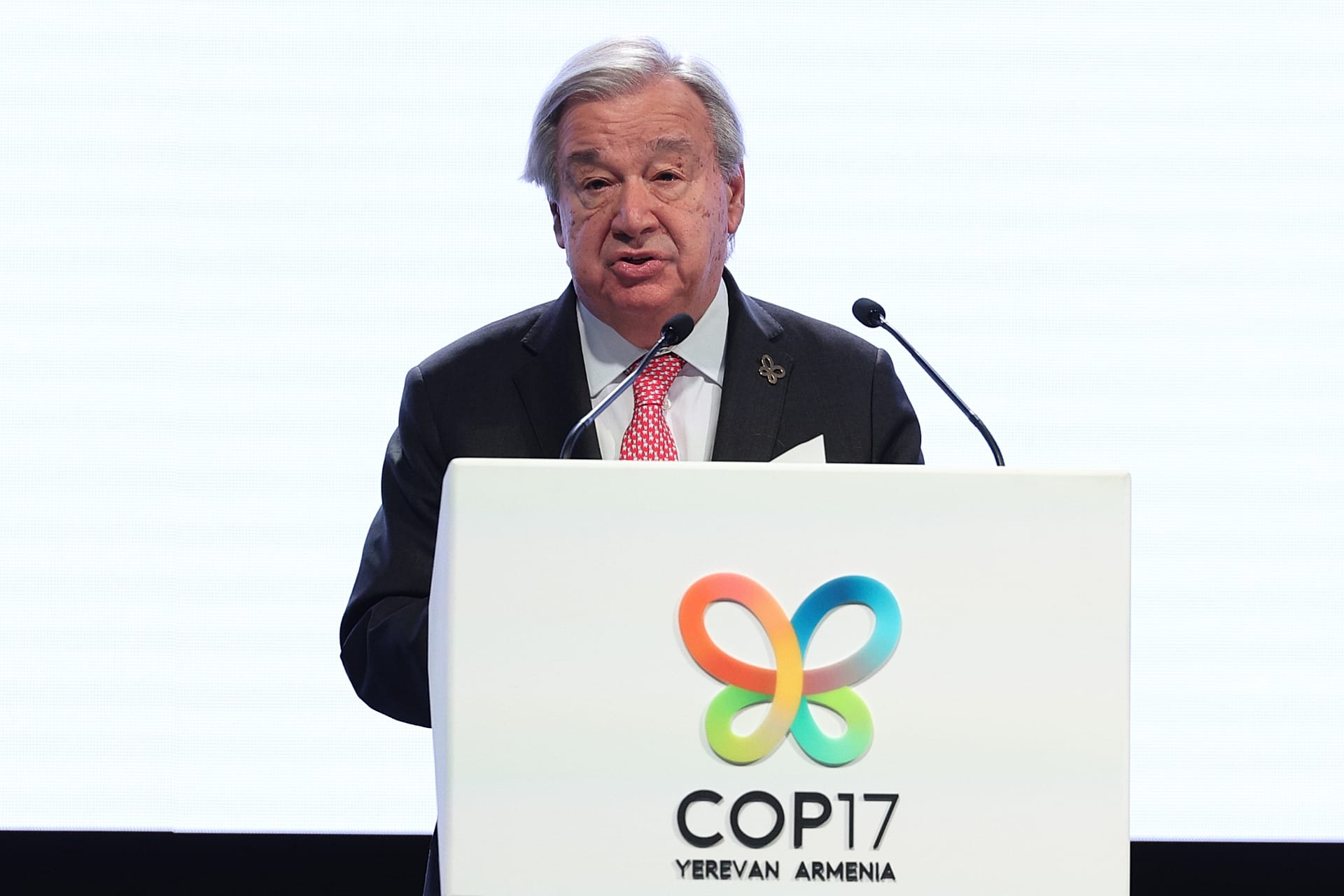
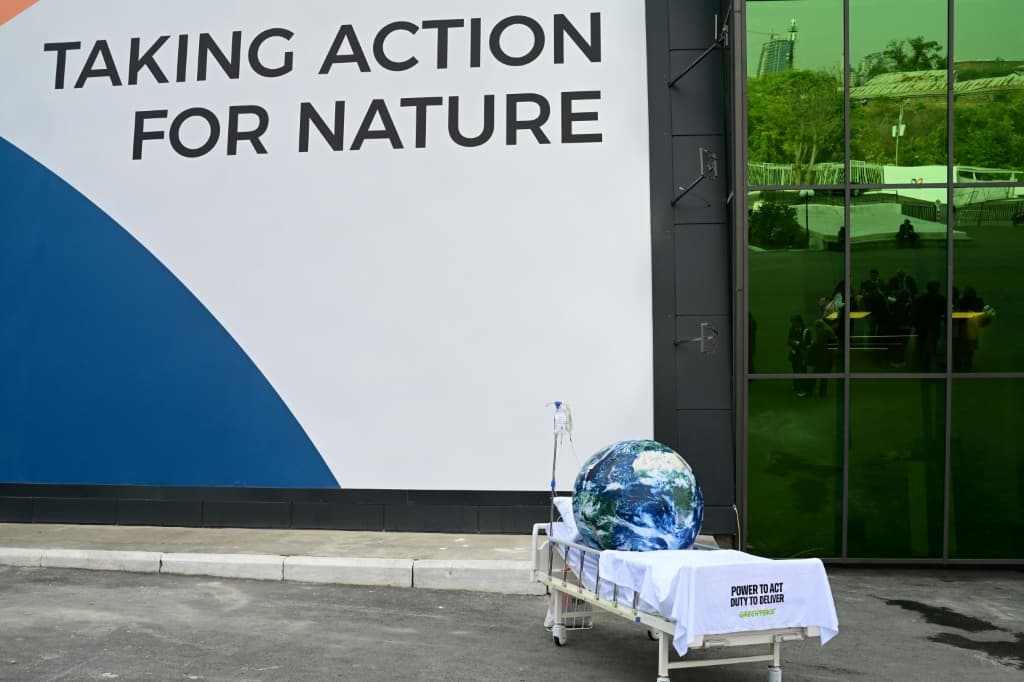
The UN Biodiversity Conference COP17 is concluding on October 30 in Yerevan after two weeks of debates. The 2026 summit has effectively become an assessment of past promises: delegates are trying to finalize the 'Yerevan Path'—a package of decisions aimed at accelerating the achievement of global nature goals. According to Euronews, in the final hours of the conference, issues regarding the role of science, nature conservation funding, and harmful subsidies remain unresolved. On October 29, Irene Wabuiua, a representative of Greenpeace International, stated that 'no concrete priorities' have yet emerged from the negotiations.
Progress exists, but it is too slow
On October 15, UN Secretary-General António Guterres presented the first global report 'State of Biodiversity Action' on progress regarding the Kunming-Montreal Framework, often referred to as the 'Paris Agreement for Nature'. It encompasses 23 targets adopted by 196 parties at COP15 in 2022, and we are now halfway to the 2030 deadline. The conclusion: less than half of the assessed national targets are on track. Regarding the key '30x30' target—protecting 30% of land and sea—only about 19% of land and inland waters and 10% of oceans are currently protected (data from the Protected Planet database). A separate UNEP report titled 'Nature's comeback', released on October 29, showed that terrestrial ecosystem restoration has reached nearly half of the target, marine restoration 23%, and freshwater restoration, which is deteriorating the fastest, only 5%; moreover, due to monitoring gaps, this figure is likely underestimated.
Money is the main stumbling block
The annual funding gap for nature is estimated at approximately $700 billion, while the 2025 strategy aims to mobilize at least $200 billion annually by 2030. According to UNEP, investments solely in ecosystem restoration must increase more than fourfold—from $64 billion to $296 billion per year. At the summit, new funding exceeding $1.8 billion was announced, but disputes over who should pay have reached a deadlock: the EU insists that wealthy emerging economies, such as Gulf states and China, must join the roughly two dozen mostly Western donor countries, while Saudi Arabia and Qatar reportedly oppose this. The Cali Fund, established to distribute profits from companies using genetic data of organisms, planned to collect $1 billion annually but has attracted only about $10,000—contributions are voluntary, and this has become the subject of dispute. Disagreements also persist regarding Target 18 on reducing harmful subsidies by $500 billion annually, including agricultural ones.
Science, consensus, and the unresolved 'global stocktake'
The key expected outcome of COP17—a 'global stocktake' with recommendations on turning lagging commitments into action—remained in limbo after days of discussions. A French delegate, speaking on condition of anonymity, told AFP that a small group of countries is hindering progress; reportedly, Saudi Arabia, Russia, Argentina, and Brazil opposed incorporating findings from two scientific assessments linking the nature and climate crises. Critics are increasingly calling for reform of the COP's consensus format, which allows a few countries to block decisions. A separate dispute surrounds attempts by several countries, including Saudi Arabia, India, Russia, and China, to delay the publication of the next IPCC reports: the October session was adjourned without a schedule, negotiations will resume in December, and these reports are intended to form the basis of the second Global Stocktake under the Paris Agreement, which will begin at COP31.
What has already been adopted
Alongside the contentious items, four decisions were adopted during the first week of the summit — on invasive alien species, gender equality, environmental education, and information exchange. The decision on invasive species calls for strengthening early detection and rapid response, improving the exchange of scientific data, and expanding access to funding and technology. It was also expected at COP17 that a decision would be made on which country — Panama or Ecuador — will host the next biodiversity summit in 2028. Thus, by the close of the conference, some agreements had been secured, but the central elements of the 'Yerevan Path' remained unresolved at the time of publication.