The key facts
- The evacuation from Oleshky was completed on October 30, as reported by the Russian and Ukrainian ombudsmen and a Rada deputy
- Those wishing to leave for Kyiv were routed through Anapa, Belarus and buses
- Neither Russia nor Ukraine disclosed the final number evacuated; before the evacuation, 1,700–2,000 people remained in the city
Evacuation of Oleshky residents completed
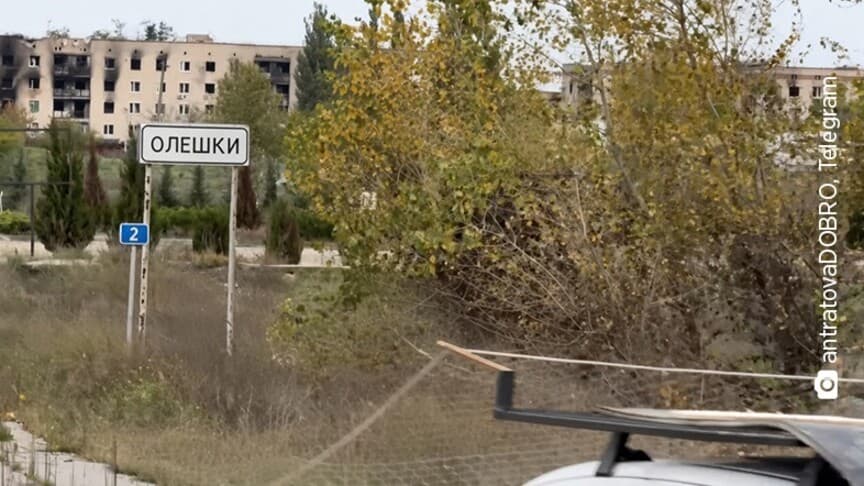
The evacuation of residents of Oleshky, a city on the left bank of the Dnipro under Russian control, was completed on the evening of October 30. This was announced by Russia's human rights commissioner Yana Lantratova, while Ukrainian Verkhovna Rada deputy Dovydar Arakhamia confirmed the completion of the mission, Kun.uz reports citing DW. According to Arakhamia, the Ukrainian delegation and residents who wished to leave for territory controlled by Kyiv headed to Anapa in Russia, from where they were planned to be flown to Belarus and then taken by buses to Ukraine.
How many people were evacuated is unknown
For the evacuation, 25 buses with a capacity of 750 passengers were prepared, as well as ambulances for people with limited mobility. However, according to the AP agency, neither Russia nor Ukraine disclosed the final number of people evacuated from the city. Those who decided to stay were delivered food, medicine and other humanitarian aid. Ukrainian ombudsman Dmytro Lubinets expressed hope that such humanitarian missions will continue with coordination from US First Lady Melania Trump; according to him, agreements with the Russian ombudsman made it possible to provide people with practical assistance.
Context: the situation in the city
Before the full-scale war, about 24 thousand people lived in Oleshky; after the destruction of the Kakhovka hydroelectric power plant dam in June 2023, a significant part of the city was flooded. By the time of the evacuation, according to various estimates, 1,700–2,000 residents remained in the city, and in recent months their situation was worsened by shortages of food, medicine and drinking water. Thus, even in the absence of official data on the number evacuated, we are talking about the departure of a significant part of the remaining population — however, the exact figures and further steps of the parties have not yet been disclosed.