The key facts
- On 22–23 October, a meeting of the central banks of Kazakhstan, Kyrgyzstan, Tajikistan, Uzbekistan and Azerbaijan was held in Dushanbe
- The parties agreed to work out, by the end of the year, a mechanism for interaction between QR platforms
- Cybersecurity, instant payments, the digital tenge and open banking were also discussed
Agreement on QR payments
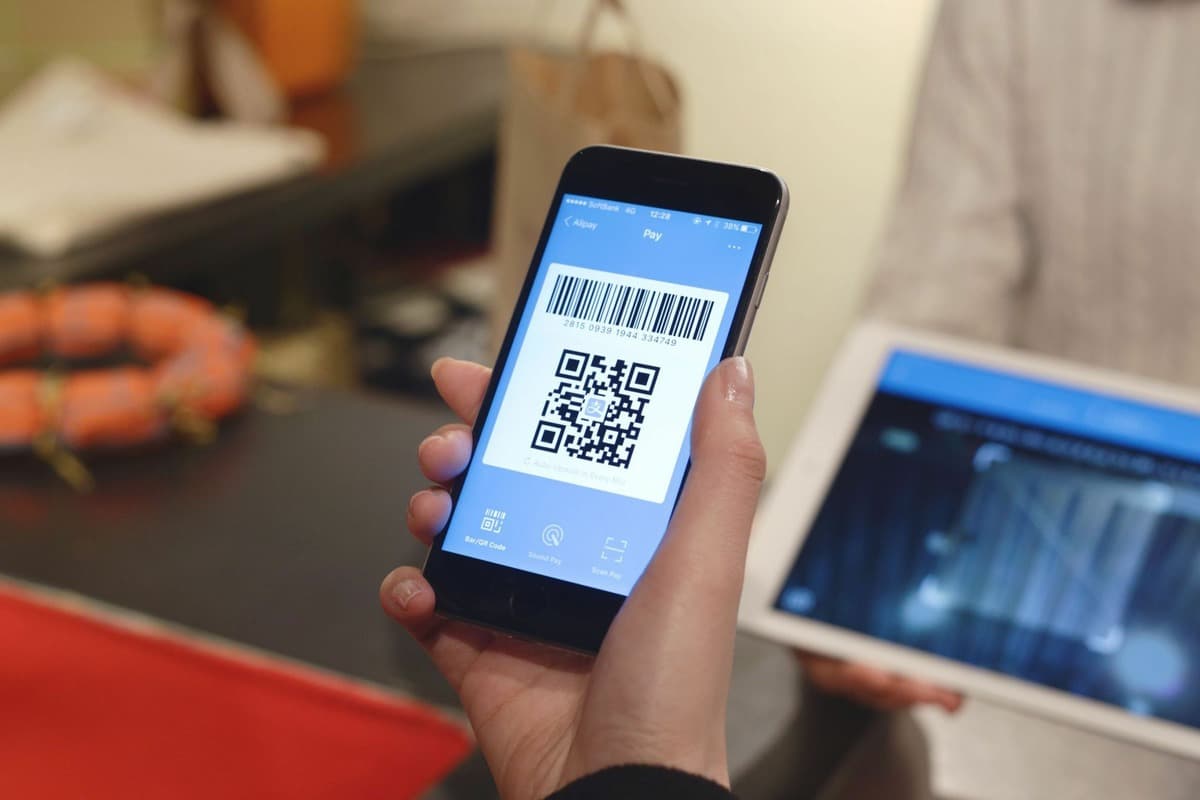
The central banks of Kazakhstan, Kyrgyzstan, Tajikistan, Uzbekistan and Azerbaijan plan to integrate their QR-code payment systems. This was reported by the National Bank of Kazakhstan: on 22–23 October, a regional meeting of representatives of the five national banks was held in Dushanbe, dedicated to the development of national payment solutions and the adoption of QR-code standards.
What was discussed and what was decided
The participants exchanged experience in developing payment platforms and instant payment systems, expanding financial inclusion, cashless payments and remote identification. The National Bank of Kazakhstan presented the results of its work on digital financial infrastructure — the national payment system, open banking and the National Anti-Fraud Center — and also shared its experience with the digital tenge project and the launch of an interbank mobile payment system.
Practical meaning for residents
Particular attention was paid to the prospects of cross-border payments, the integration of national instant payment systems and digital currencies. The participants agreed to work out, by the end of the year, a mechanism for interaction between QR payment platforms. If the integration takes place, citizens of Kazakhstan, Kyrgyzstan, Tajikistan, Uzbekistan and Azerbaijan will be able to pay for goods and services while travelling via QR code through their own bank's app — that is, without a separate local card or app. For now, however, this is an agreement to work out a mechanism, not an adopted decision to launch.
Cybersecurity and the context in Uzbekistan
The meeting also covered cybersecurity issues: the reliability of payment systems, protecting infrastructure from cyberattacks, the use of artificial intelligence in payment system supervision, and anti-fraud practices.
Context in Uzbekistan
For Uzbekistan, the topic of payment infrastructure is also developing domestically: as Spot previously reported, the Central Bank of Uzbekistan approved the procedure for settlements in sums via the national payment switch: integrating QR systems with neighbouring countries would be the next step — taking national payment solutions to the cross-border level.