The key facts
- Andy Burnham is open to formal apologies but called reparations 'the wrong answer'
- The statement came ahead of the Commonwealth summit in the Caribbean, which King Charles III visited
- Reaction was mixed: Barbados PM Mia Mottley welcomed it, while activists called it insufficient
Statement ahead of the Commonwealth summit
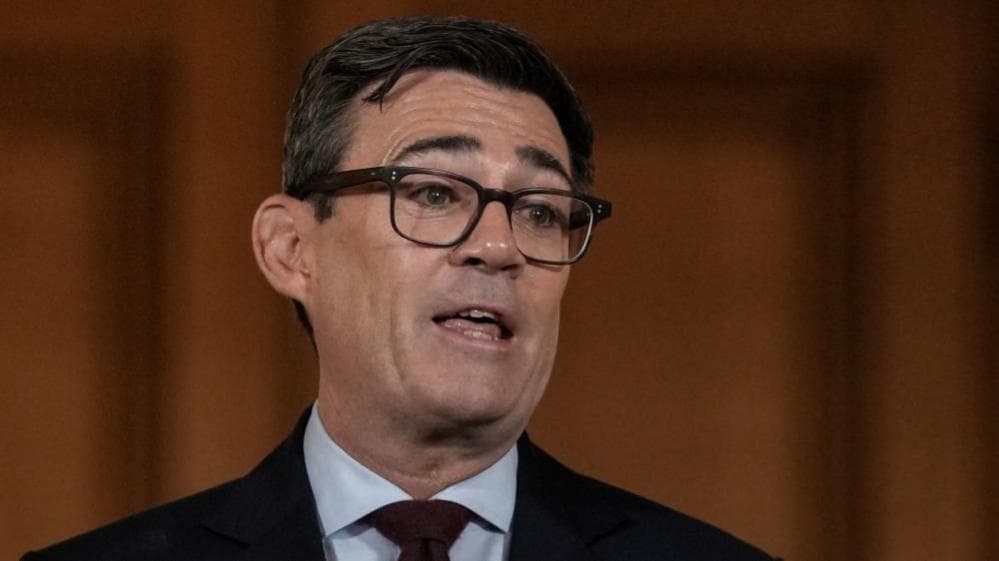
UK Prime Minister Andy Burnham said he is 'open' to calls for an official apology for the country's role in the transatlantic slave trade, but ruled out considering financial reparations, calling them 'the wrong answer'. According to BBC News, he advocated a 'structured dialogue' with those affected by the slave trade and wrote in an article for the Guardianthat 'present-day Britons cannot be held responsible for historical wrongs committed in a different era, under different laws and without their personal involvement.' A government source described this approach as 'the morally right step'.
Context: the King's visit and pressure from Caribbean nations
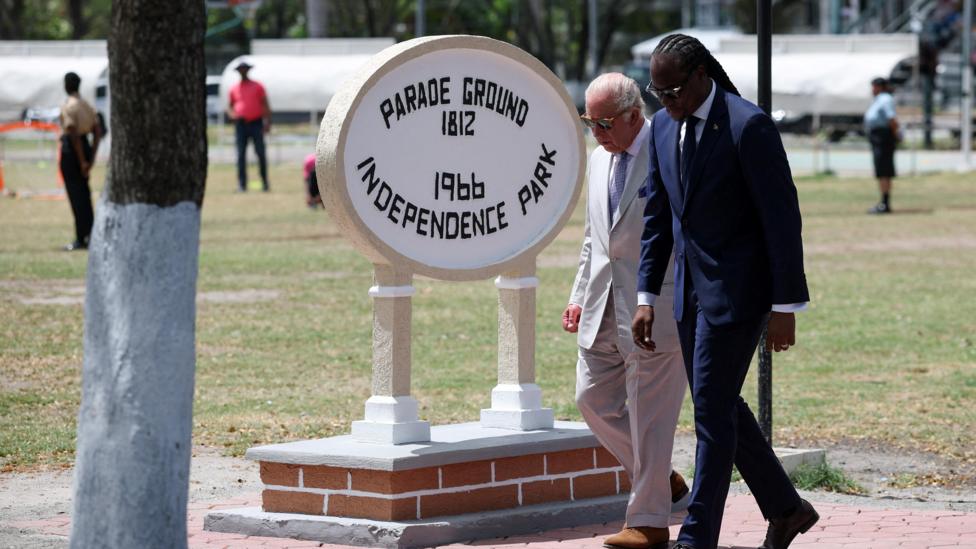
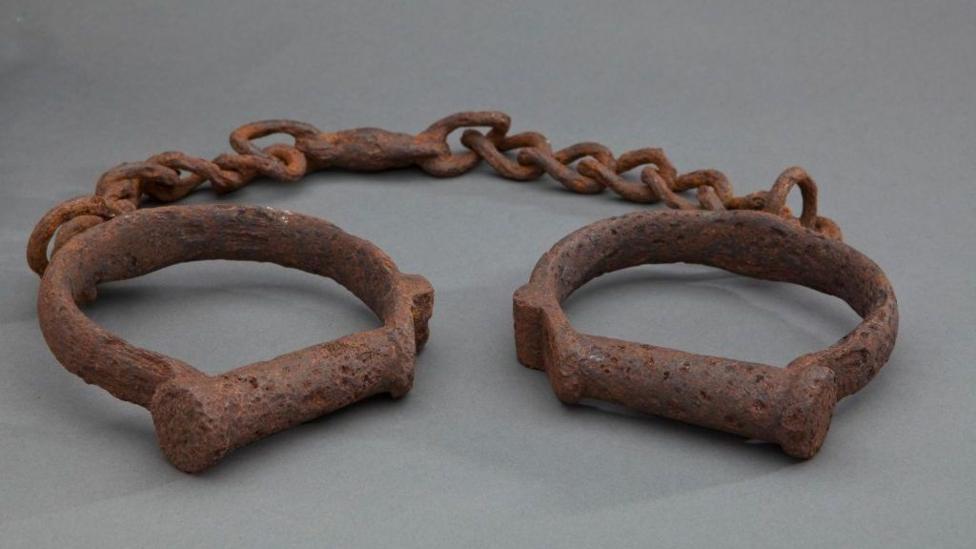
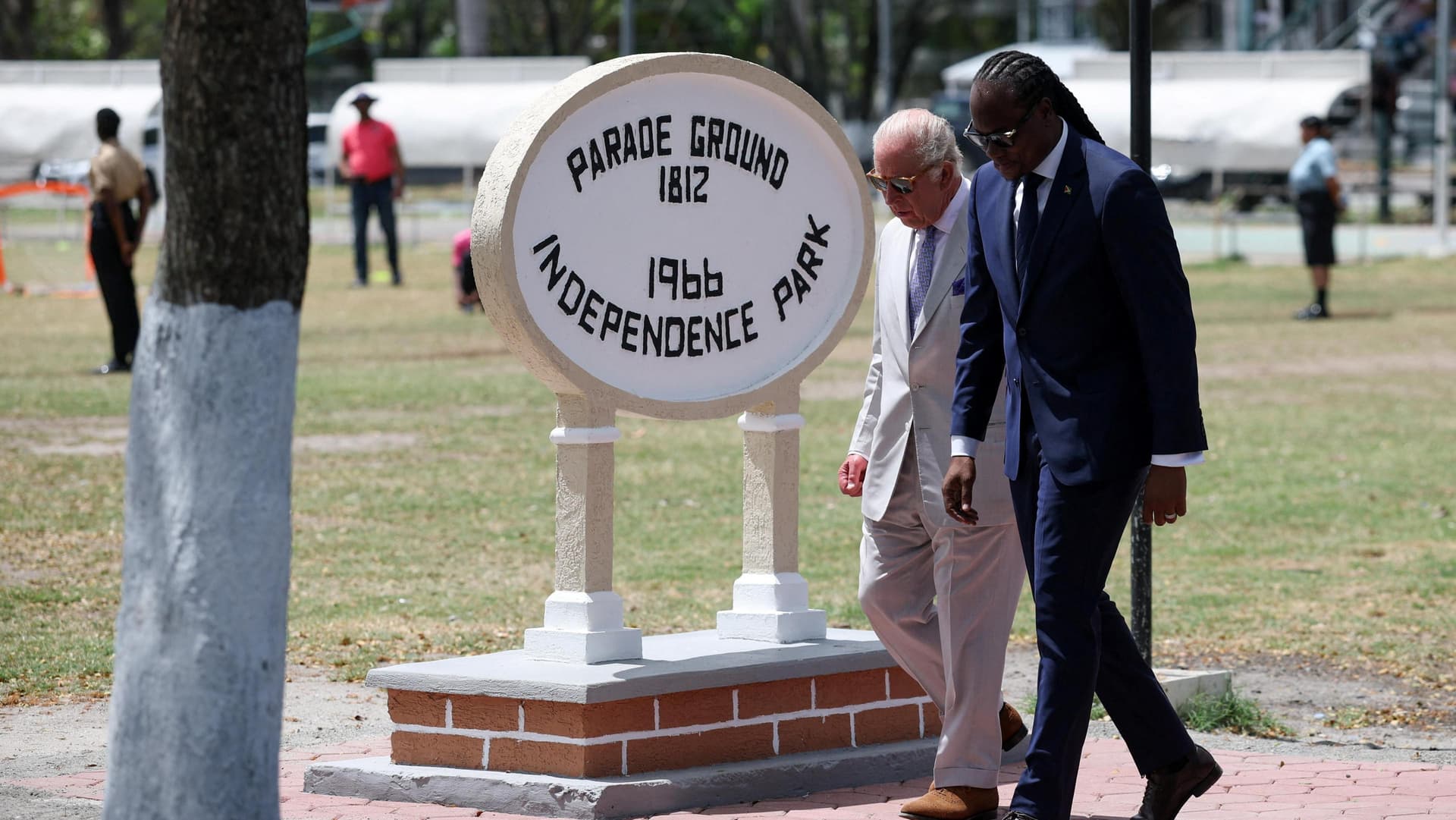
The statement came a week before the Commonwealth leaders' summit in the Caribbean, which Burnham plans to attend. Against the backdrop of King Charles III's regional tour, Caribbean states have renewed calls for the UK to apologise for the slave trade and pay compensation. During this tour, the King, as the BBC previously reported, visited the site of a slave uprising in Guyana, and research cited by the outlet established that the symbol of the British crown was branded on enslaved Africans. Barbados Prime Minister Mia Mottley, who has been pushing for reparations, welcomed Burnham's statement, pledging to engage 'in good faith' while continuing to pursue 'reparative justice'. The Repair Campaign founder Denis O'Brien, by contrast, called the statement disappointing and demanded 'full and formal apologies now'.
What changes and what stays the same
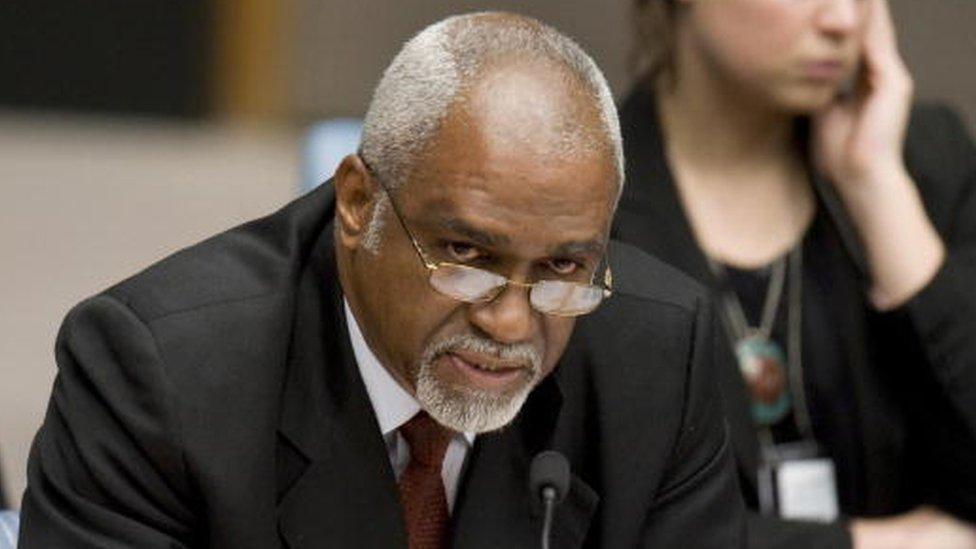
Formally, the government's position has not changed: the UK has never apologised for the slave trade or offered payments, and Burnham has kept his predecessors' line on reparations. The only new element is the prime minister's willingness to consider formal apologies as part of a dialogue. According to the BBC, Downing Street sees strengthening the Commonwealth as serving the country's interests at a time when China and Russia are expanding their influence in the region — this week Putin held a Russia–Africa summit in Moscow. Historical context provided by the outlet: from the 16th century, English authorities and the monarchy were notable participants in the slave trade, and under the 1833 Slavery Abolition Act, British plantation owners received compensation for the loss of their slaves — the UK only paid off the debt on these payments in 2015. Earlier, a UN judge estimated the UK's debt for the slave trade at £18 trillion, saying, according to the BBC, that even this figure was an underestimate.
 Image source, PA