The key facts
- The visible mending trend, which gained momentum about six years ago, has this year reached designer runways and fast-fashion brands
- The visible mending trend, which gained momentum about six years ago, has this year reached designer runways and fast fashion brands
- Uniqlo, Primark, Toast, Finisterre and Levi's are developing repair services and workshops
- Young Levi's customers at the London launch more often asked for invisible rather than decorative repairs
- Young Levi's customers at the London launch more often asked for invisible repair rather than decorative mending
Repair that isn't hidden
The trend for 'visible mending' — when a patch or darn is made deliberately noticeable — has in recent years moved from enthusiasts and community workshops to the mass market and designer runways, reports BBC News. Alice Brown, a forester from Lincolnshire, for example, covers moth holes and stains on second-hand jumpers with needle-felted figures of animals and insects, and has built a large online audience over a year. In Brighton, Jayne Eagle teaches students to sew patches with a showing-through pattern and the Japanese darning techniques of Boro and Sashiko, where contrasting white stitching turns a repair into a decoration. She says the trend gained momentum about six years ago and has been growing ever since.
Brands jump on board
Notably, the market has also been joined by those usually seen as the engines of fast fashion: from Ralph Lauren to ultra-fast Shein, new items with imitation darning and patches are being sold, while a number of chains offer a more 'authentic' option — their own repair services and workshops. Uniqlo does decorative mending in the Sashiko technique; Maria Ledus, head of the company's sustainability direction, says the brand wants to give customers 'practical ways to extend the life of clothes they already love'. Primark, according to durability lead Vicky Swain, believes that 'affordability and durability should not be opposites'. At Finisterre, about a fifth of repairs are made visible; at premium brand Toast, about a third: it employs a team of 14 'repair artists', the service is free, but 'refreshed' items on the shelf cost more than the originals. Levi's is launching a workshop programme this year: according to the company, young customers want to mend things but don't know how.
A generational divide
An interesting detail from the BBC report: at the launch of Levi's workshops in London, members of Generation Z asked precisely for invisible repairs. Sixteen-year-old Bianca explains that in her circle holes in clothing are still read as a sign of poverty, while nineteen-year-old Theo wants his jeans to look 'as they did when bought' and sees mending skills as a benefit for his resale side hustle. Paul Dillinger, head of global design innovation at Levi's, however, expects that as people master the skills, creative repair will appeal to them: 'People need agency. Repair is an expression of humanity: it's not a mustard stain, it's a memory of a good day at the stadium.' Jayne Eagle herself sees visible repair as 'an act of rebellion' against overproduction in the industry — with its pollution, carbon emissions, water consumption and poor working conditions. For the reader this is a useful guide: the trend is not uniform — for some it is an aesthetic and a statement, for others a practical skill, and brands have to serve both demands at once.
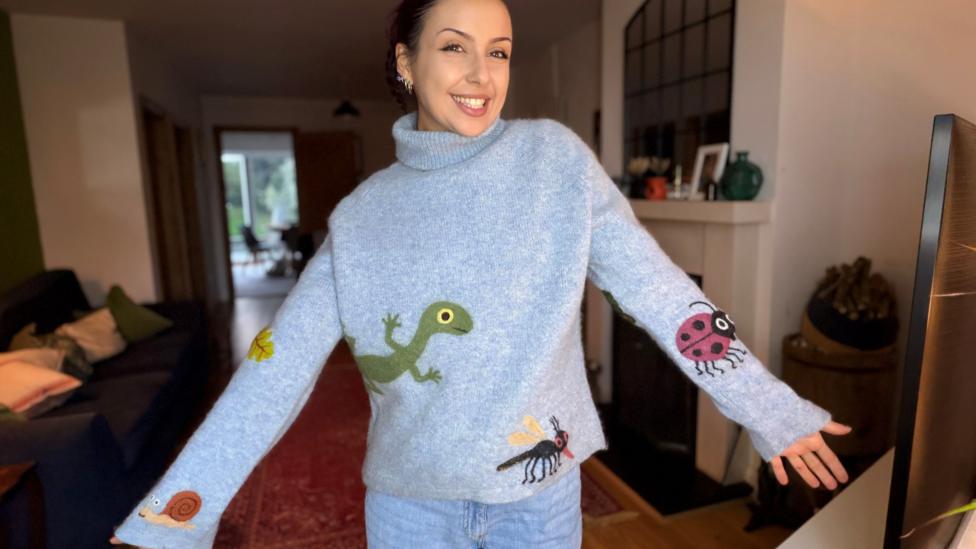 Image source, Alice Brown/MaybeArtUK
Alice Brown uses felt animals to cover holes and stains on her clothes
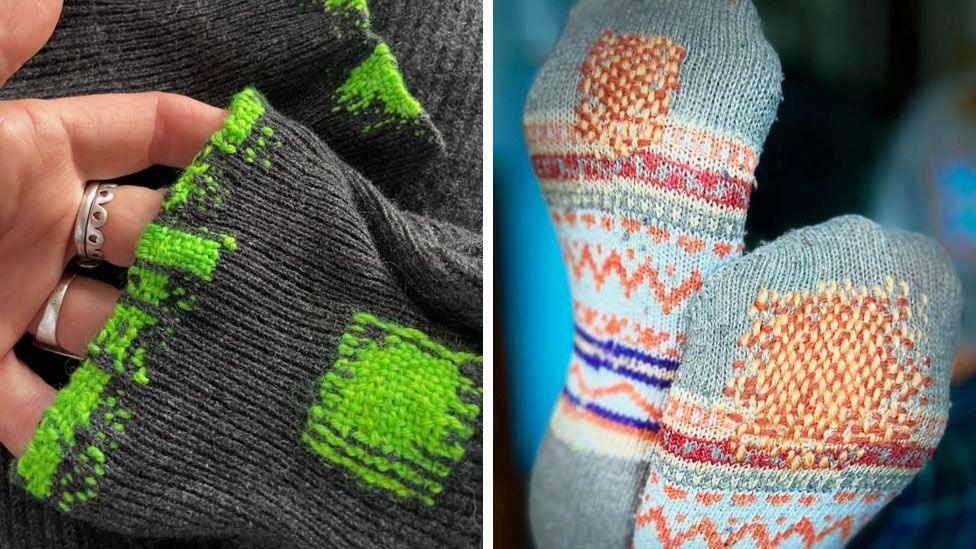 Image source, Jayne Eagle / The Stitching Magpie
Some mends are designed to be eye-catching
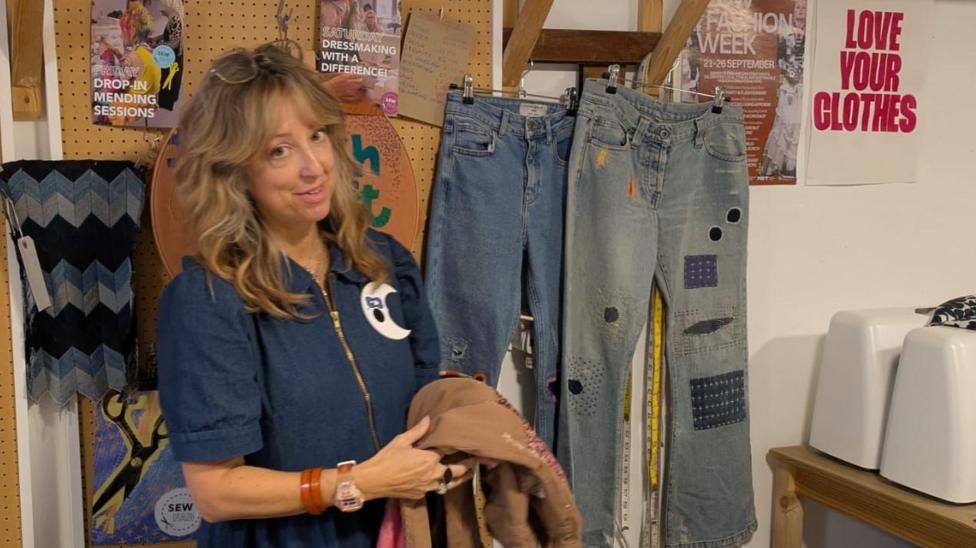
Jayne Eagle sees repair as an 'act of rebellion' against fast fashion
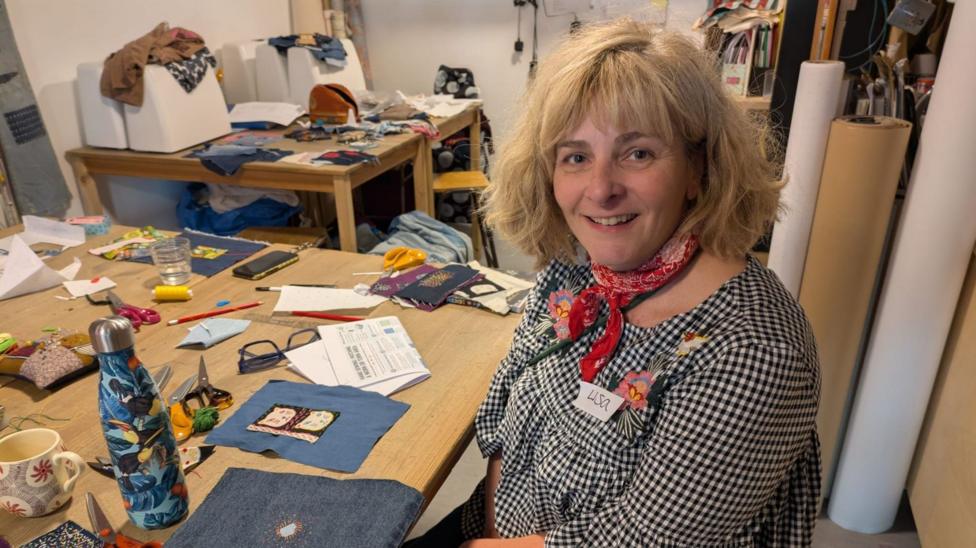
Lisa says she's so proud of her mends she wants people to notice them
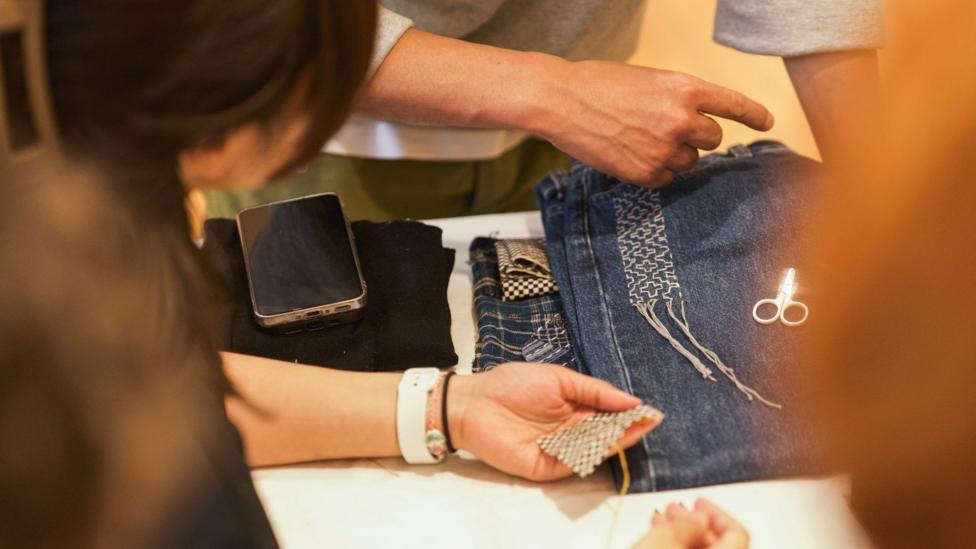 Image source, Oscar Elliot/Uniqlo
Uniqlo offers decorative mending using Sashiko techniques, in keeping with the brand's Japanese heritage
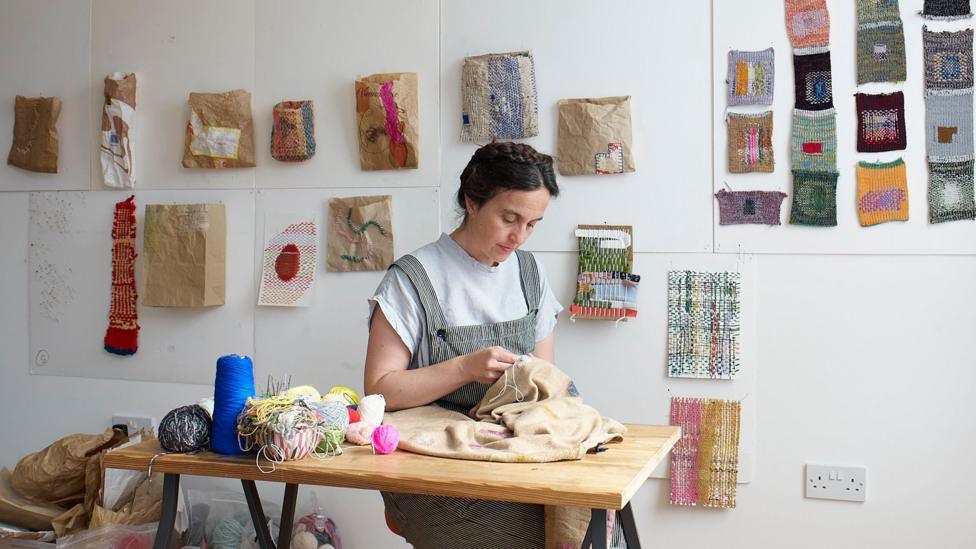 Image source, Sukhi Dhanda/Toast
Toast has a team of 14 in-house 'repair artists' providing a range of creative mends
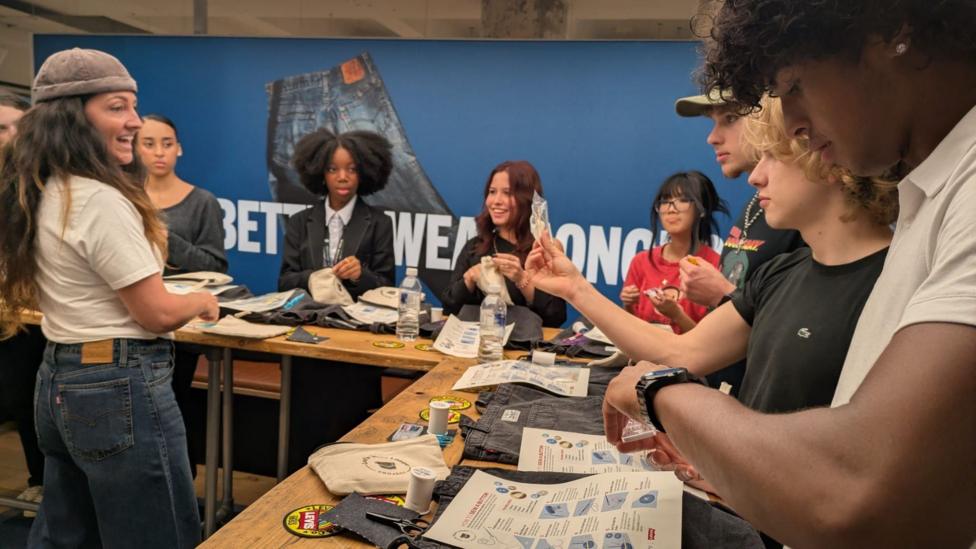
At a workshop run by Levi's, Nicholas (r) says he prefers mending not to show, while Bianca (centre) says people still see it as a sign of poverty