The key facts
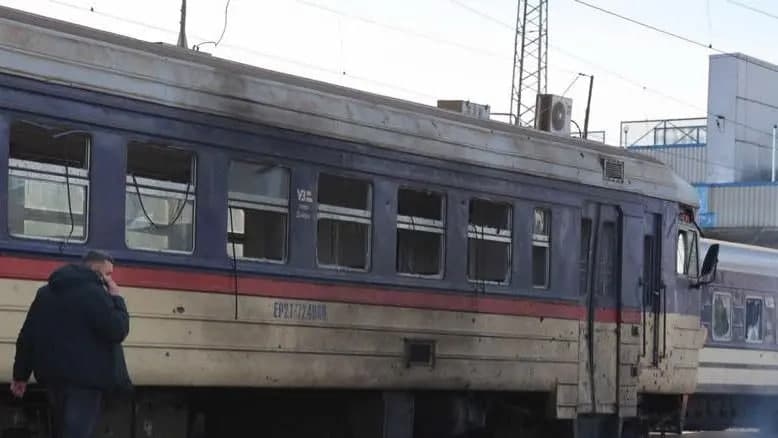
- Since the beginning of 2026, Russian attacks have damaged 4,856 railway assets, including 380 locomotives and 146 carriages, according to Ukrainian Railways
- Between 100 and 200 train evacuations are carried out daily, causing multi-hour delays across the country
- On October 30, a Russian drone struck a platform in Dnipro, killing at least 14 people
Trains under fire
AFP correspondents traveled along the Kharkiv–Kyiv route, connecting the country's two largest cities, to show how rail travel has changed amid nearly five years of war. Since airspace is closed to civil aviation, trains remain the primary means of transport within the country and beyond its borders. Darina Styrchuk, 24, traveling from Kyiv to Poltava, admitted she slept poorly due to anxiety over air raid alerts, delays, and evacuations.
Scale of damage and daily evacuations
According to the state-owned company Ukrainian Railways, since the beginning of 2026 alone, Russian attacks have damaged 4,856 railway assets, including 380 locomotives and 146 carriages. 'The enemy has made our passenger transport a target,' said Oleg Holovashchenko, head of the passenger operating company. Amid intensified strikes, Ukraine has begun halting and evacuating trains when attack threats arise; now between 100 and 200 evacuations are conducted daily, causing multi-hour delays nationwide. Trains on the Kharkiv direction, running approximately 30 kilometers from the Russian border, are stopped especially frequently.
Nighttime evacuation: what it looks like
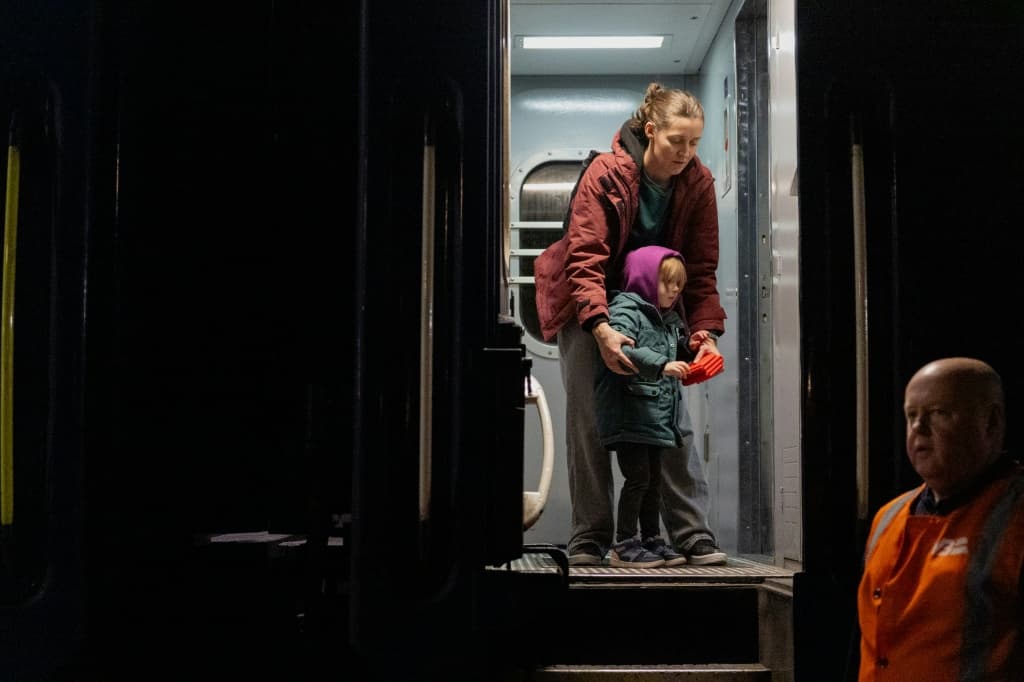
Shortly after the departure of the overnight train from Kharkiv, passengers were warned that sleep might be interrupted by an emergency evacuation. A few hours later, a conductor knocked on compartment doors shouting 'evacuation': Russian drones were nearby. Passengers were led onto the platform away from the carriages; as the sound of an approaching drone grew louder, some ran for shelter, followed by an explosion in the distance. Among those waiting was 35-year-old marketer Kateryna Kumratova with her four-year-old daughter Nina; when asked how she felt, she replied with a single word: 'fear.' After the second explosion, the crew announced the danger had passed, and the train continued its journey. 'We put them on the train—we must get them there alive,' said 50-year-old conductor Mykola Kryvenko.
Strike in Dnipro and preparations for winter
One week after the journalists' trip, on Thursday, October 30, a Russian drone struck a platform near two waiting trains in Dnipro, killing at least 14 people. The approaching winter—which many Ukrainians fear will be the harshest since the war began—is expected by authorities to complicate travel: amid attacks on energy infrastructure, power, water, and heating outages are possible, and evacuations will become more difficult in freezing temperatures. Ukrainian Railways plans to introduce preventive stops so passengers can remain in carriages and has prepared blankets and heating pads, Holovashchenko reported. Kumratova already carries a backpack with warm clothes, but, according to her, 'even despite these evacuations, traveling by train is still better with a child.'