The key facts
- Foreign companies with contracts worth more than £50 million will have to invest an equal sum in British industry, jobs and workforce training
- The rules will take effect from April 2027 and will be applied by the Ministry of Defence on a case-by-case basis
- The decision was announced amid disputes over how the government will reach the target of 3% of GDP on defence by 2030
New rules for foreign contractors
UK Defence Secretary Wes Streeting has announced that foreign companies winning major defence contracts will have to invest a sum equal to the contract's value into the British economy. Under the new rules, firms with orders worth more than £50 million will be required to spend an equivalent amount on British factories, jobs and staff training — the goal is framed as a 'return for Britain' from every pound spent. BBC News reported this.
How the mechanism will work
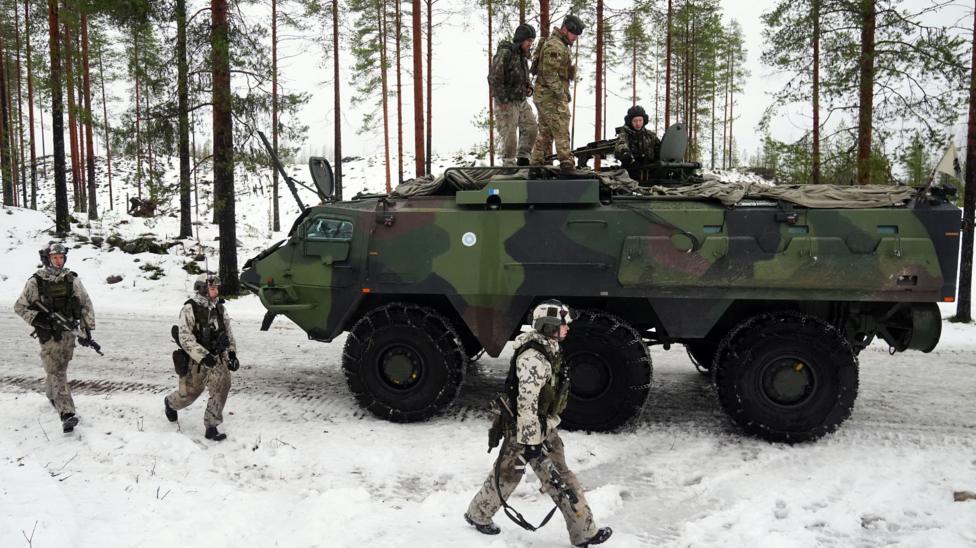
The government calls this measure an 'offset strategy'. The Ministry of Defence will apply the rules from April 2027 on a case-by-case basis. The government's statement stresses that priority is given to procurement from British manufacturers, and the new requirements apply to cases where equipment has to be bought abroad. According to the government, similar rules are already in force in Poland, Norway and the Netherlands. The presentation of the new policy is scheduled to take place during Streeting's and Chancellor John Healey's visit to the BAE shipbuilding site in Glasgow.
Dispute over the 3% of GDP target
The announcement came amid ongoing disagreements over how the government will meet the target of spending 3% of GDP on defence by 2030 with a limited budget. Tan Dhesi, the Labour chair of the parliamentary defence committee, called the deferral of key decisions to a future spending review 'shamefully late' and warned that without an urgent restoration of capabilities the country risks being vulnerable in the event of a major conflict. Conservative leader Kemi Badenoch said Healey had 'set his own test' by failing to present a 'plan for 3%' in the budget. Streeting rejected the criticism, saying he 'categorically disagrees' with Dhesi and that the government is not 'kicking the problem into the long grass' — deferring the details to the spending review is the right step in order to consider spending as a whole. In his words, the armed forces were 'underfunded for more than a decade', and although the country is prepared for hostile threats, 'we are not where we would like to be'.
The scale of the required spending
By some estimates, to reach the 3% target by the end of the decade and fulfil the NATO-wide commitment to spend 3.5% of national income by 2035, the government will need an additional roughly £10 billion a year. The context of the political dispute also includes a personnel reshuffle: Healey left the post of defence secretary in June, saying at the time that the defence investment proposed by then prime minister Keir Starmer 'falls significantly short' of the required level. Separately, the BBC reported that Healey earlier ordered departments to find 1% in cuts to fund defence, and the NATO secretary general in September demanded from the UK 'a credible path' on defence spending.
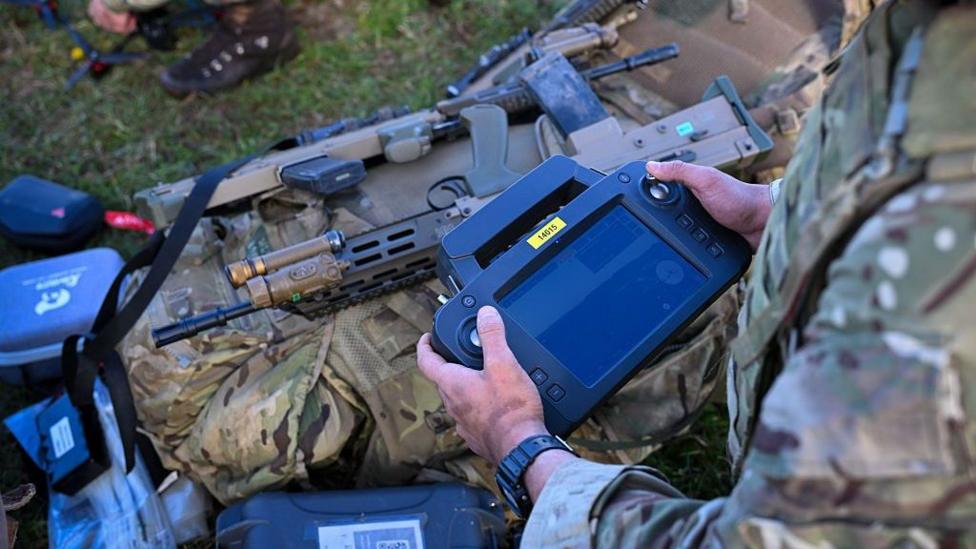 Image source, Getty Images
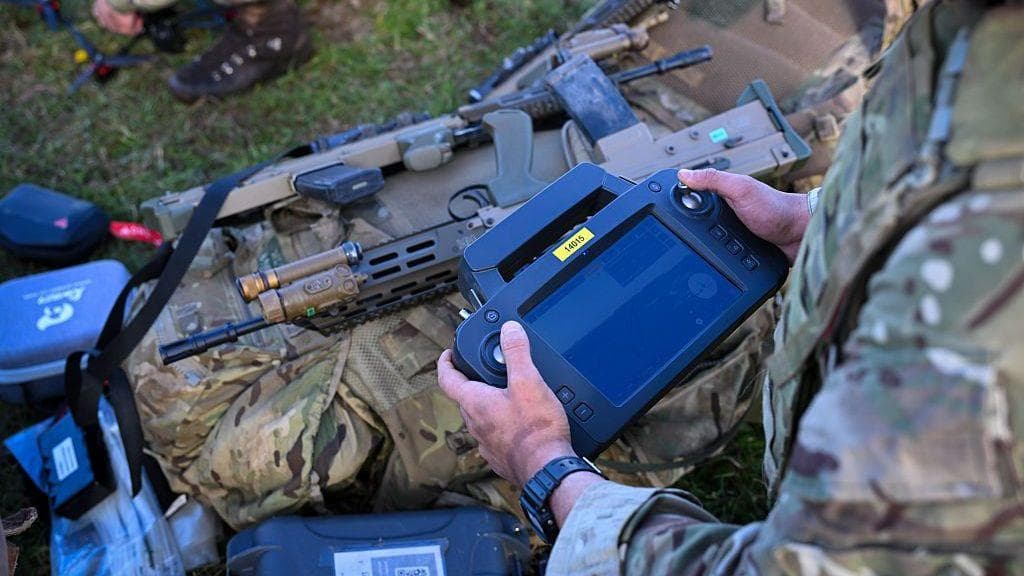
The government says overseas defence procurement will need to be matched by British investment into jobs, industry and skills.