The key facts
- Amazon, Intel and Alphabet reported worse than expected, with their shares falling 7–23%
- In Asia, SK hynix, Kioxia and Advantest fell the hardest — more than 9%
- Binance reported a hack and froze more than $2.5 billion; Chainalysis estimates the damage at roughly $5.9 billion
Weak earnings deepen fears around AI
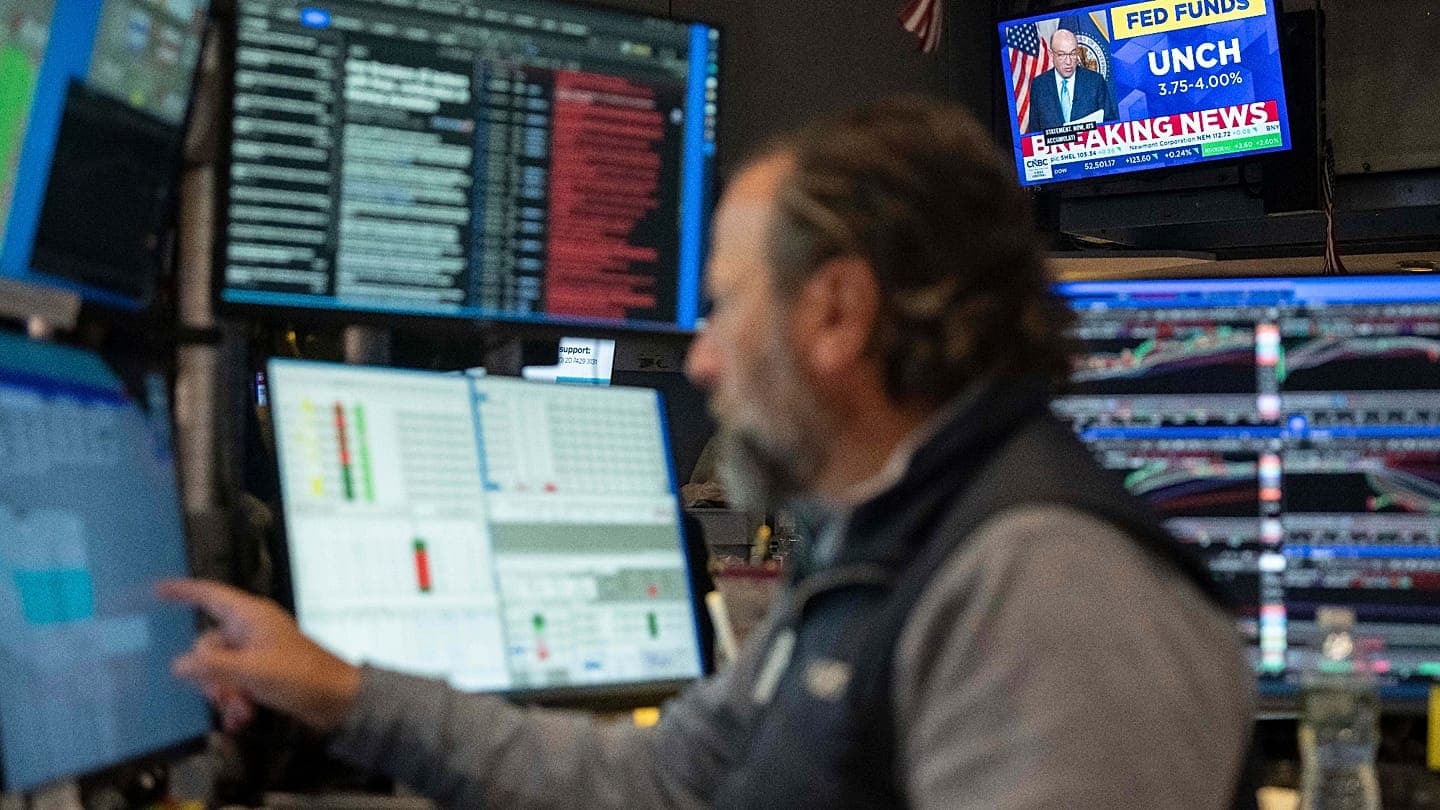
Technology companies came under renewed pressure on Friday after another string of disappointing financial reports from Wall Street, intensifying concerns about the investment boom in artificial intelligence. According to AFP, AI-related shares fell sharply after Amazon's quarterly report came in below analysts' expectations for both profit and revenue, while Intel's projected revenue missed estimates due to weak demand for PC processors and supply chain problems. A day earlier, Alphabet, Google's parent company, reported weak growth in advertising and search revenue while simultaneously announcing plans to increase capital spending.
Scale of the sell-off
Alphabet plunged more than 12%, Amazon lost over 7% in after-hours trading (after dropping more than 4% before the close), and Intel crashed by 23%. The Nasdaq index ended the session down more than 1%. The selling spread to Asia as well: South Korean chipmaker SK hynix fell nearly 9%, Samsung more than 6%, Japan's Kioxia and Advantest each lost more than 9%, SoftBank slipped about 7%, and Taiwan's TSMC more than 1%. Broad indices also suffered: Seoul dropped more than 5%, Tokyo more than 2%, and Taipei more than 3%; Shanghai, Singapore and Manila recorded losses, while Hong Kong, Sydney and Wellington rose.
Early-week optimism could not save the situation
The decline contrasts with the optimism that prevailed earlier in the week, when SK hynix reported a 632% jump in operating profit and AI company Anthropic said in IPO filings that its revenue had grown roughly 1,300% in the first half of the year. According to Anna Wu of Floodlines Research, the earnings season has proved tough for AI companies amid concerns about a bubble and inflation.
Binance hack and the geopolitical factor
Traders' attention was also drawn to bitcoin, which fell about 5% to a monthly low of around $76,400 after the largest cryptocurrency exchange, Binance, reported a serious hacker attack and said it had frozen more than $2.5 billion in funds to prevent mass theft. The company posted at times contradictory messages on X, claiming that user funds were completely safe while simultaneously promising to cover all losses. The scale of the attack was not immediately established, but analytics firm Chainalysis estimated the amount stolen at roughly $5.912 billion — almost four times the record $1.5 billion stolen from Bybit last year.
Oil and the elections
Markets are also watching the US midterm elections on Tuesday and their impact on the final two years of Donald Trump's presidency. Fears of an escalation of tensions between the US and Iran were fuelled by a Wall Street Journal report that the top US commander in the Middle East had briefed Trump on military options against Tehran. Both major oil contracts rose more than 2%: Brent approached $120 a barrel for the first time since April, while WTI stood at $104.47. Michael Hewson of MCH Market Insights suggested that the election outcome was probably not critical for markets, but that an oil price above $120 a barrel could be a very different story and poses a far greater risk than the elections themselves.