The key facts
- USB and Cobas called a strike in the public and private sectors; Cobas excluded transport
- Railways will stop from 9:00 p.m. Thursday to 8:59 p.m. Friday; aviation strikes all day Friday
- Dockworkers at more than 100 ports in 17 countries protest against rearmament; in Italy, Genoa, Livorno, Trieste and other ports are affected
Strike and protests on Friday
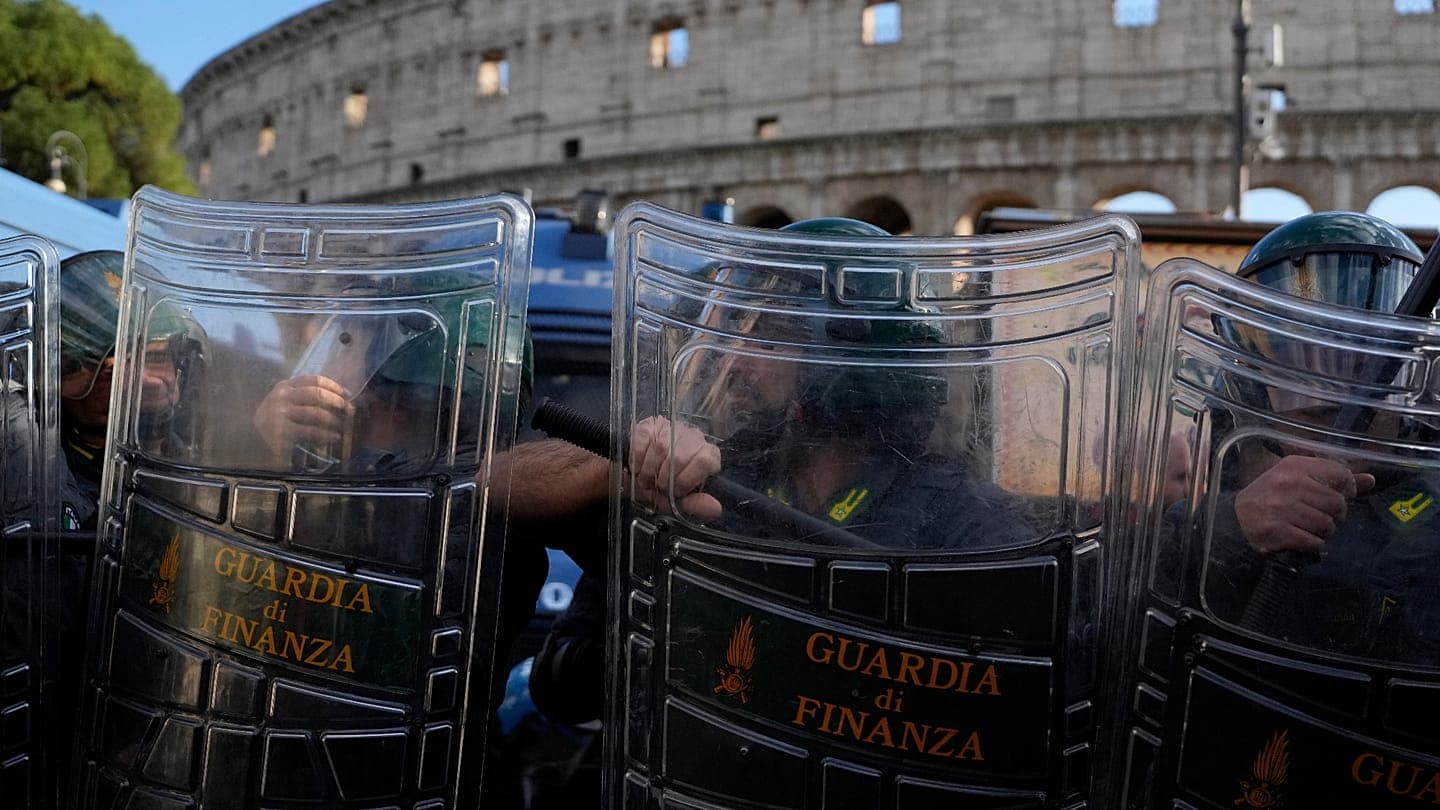
On Friday, large-scale strikes and protests against the rising cost of living and military spending will take place across Italy. The Unione Sindacale di Base (USB) union has called on workers in both the public and private sectors to strike, including participation in a major demonstration in Rome. According to euronews, in parallel, Cobas together with Adl, Clap and Sial have announced a general strike in the public and private sectors, excluding transport. New student protests are also expected in all major cities of the country — the outlet notes that Friday will be another test for maintaining public order.
Transport: what to expect
Rail services will be disrupted from 9:00 p.m. on Thursday until 8:59 p.m. on Friday, and the aviation strike will last all day Friday. Taxi drivers will also strike for the entire day, motorway staff will begin their strike on Thursday evening, and the scale of disruptions to urban public transport will vary from city to city.
International dockworkers' action
On the same day, dockworkers around the world will mobilise against the arms trade, rearmament policy and the militarisation of ports. The action was organised by several unions, including USB in Italy, the CGT in France, and organisations from Greece, Turkey, Morocco and the Basque Country. According to the organisers, workers at more than 100 ports in 17 countries across four continents have joined the mobilisation. In Italy, the action will affect, among others, the ports of Genoa, Livorno, Trieste, Civitavecchia, Ancona, Ravenna and Gioia Tauro.
The unions' demands
Among USB's key demands are wage increases in line with the rising cost of living, including through the restoration of the 'scala mobile' — a mechanism that previously automatically indexed wages according to inflation. The union is also demanding measures to reduce the prices of essential goods, utility bills and rents, as well as a reduction in VAT on basic goods. In USB's view, the government is allocating too much money to military spending, while funding for healthcare, education and other public services remains insufficient.