The key facts
- The Student List movement demands the resignations of the heads of the police, the BIA and the anti-terrorist unit
- All 141 elected candidates were selected by students from universities across Serbia
- All 141 elected candidates were selected by students from Serbian universities
- Acting president Ana Brnabić accuses the winners of 'revolutionary justice'
- Acting President Ana Brnabić accuses the winners of
Demands for resignations days after victory
Serbia's victorious student movement, the Student List, has demanded the resignations of top police, intelligence and judicial officials — just days after the party of former president Aleksandar Vučić lost power. Speaking in Pioneer Park opposite the parliament, newly elected deputies demanded the immediate dismissal of all police officers who broke the law, naming first of all the heads of the police, the BIA security agency and the anti-terrorist unit. This is reported by BBC News Serbian's correspondent from Belgrade.
Concerns over evidence and the first personnel changes
The transfer of power will take weeks, and the movement fears that during this time evidence of possible abuses could be destroyed. Just a few days ago the same park was occupied by a tent camp of Vučić's supporters outside his office; after he conceded defeat on Sunday evening the camp was dismantled, and on Monday morning volunteers cleaned up the area. The purge of Vučić loyalists has already begun at the state broadcaster RTS, where director Manja Grčić has stepped down. Newly elected deputy Mirjana Nikolić said that citizens have a right to truthful information and that RTS had served the government's interests for years. The next target named is the replacement of Telekom Srbija head Vladimir Lučić.
Who these deputies are and what they promise
All 141 elected candidates were selected by students from universities across Serbia in a lengthy and closed process; they include intellectuals, professors, artists, athletes and, according to the BBC, up to 12 doctors and surgeons. The movement grew out of the protests that followed the collapse of a canopy at the Novi Sad railway station in November 2024, which killed 16 people, with demands to hold those responsible to account and investigate corruption allegations. Under the 'Student Plan', they promise to 'stop the plunder, return what was stolen to the state budget and invest directly in education and the economy'. Radomir Sajčić, a professor of organic chemistry at the University of Belgrade, assured that the deputies will adhere to the students' 1,200-page plan and work closely with them.
Criticism, the timetable for reforms and foreign policy
Serbia's acting president, Ana Brnabić, accused the winners of choosing 'revolutionary justice rather than the rule of law' and of seeking to shut down 'all media they dislike'. One of the prominent deputies, former central bank governor Dejan Šoškić (2010–2012), believes key reforms must be carried out in the first six months: freeing up the media landscape, fighting corruption, ensuring institutions operate according to the law, and passing a lustration law — a ban on holding state office for members of Vučić's apparatus found to have violated citizens' rights. Strahinja Subotić of the Belgrade Centre for European Policy warns that such a purge will take time, since all the levers of power were long held by Vučić and his party.
The foreign policy balance and the next elections
Serbia remains an EU candidate while at the same time maintaining close ties with Russia: it has not imposed sanctions on Moscow since 2022, receiving preferential gas prices in return, and Putin publicly backed Vučić. The EU quickly welcomed the Student List's victory and promised to support reforms of the rule of law, media freedom and the fight against corruption, yet European integration occupies a modest place in the movement's manifesto, where the bloc is described merely as an 'important economic partner'. Šoškić said the movement does not plan to change its foreign policy course, citing the experience of the sanctions of the 1990s, which, in his words, harmed ordinary people rather than the state's politics. The next test is the presidential election in December: Vučić is legally barred from running for a third term, but he promised that his defeated Serbian Progressive Party 'will bounce back much faster than they can imagine'.
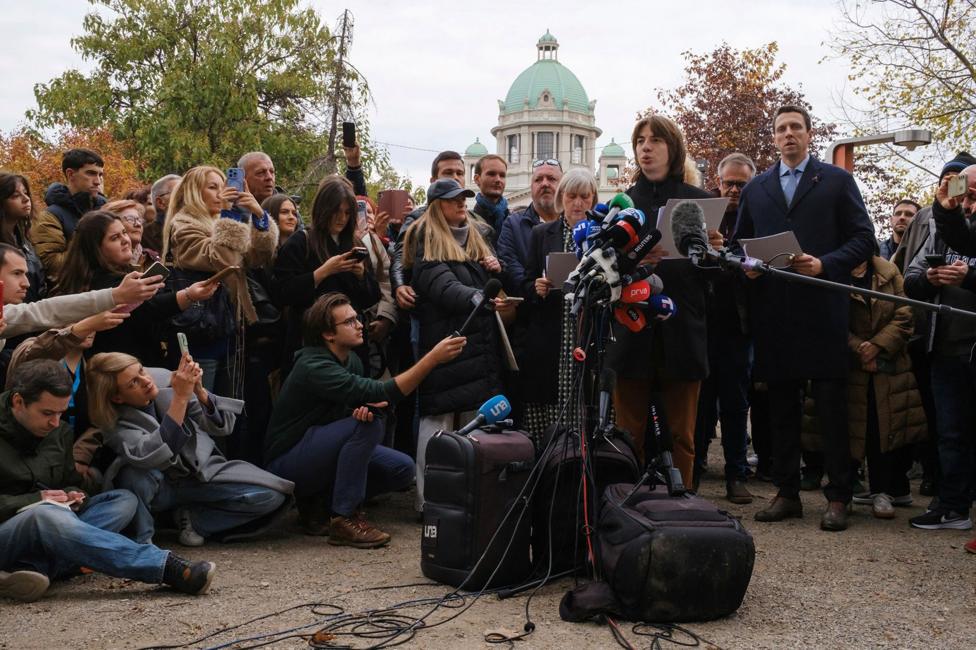 Image source, Reuters
Serbia's victorious Student List movement held their first press conference in a park opposite parliament
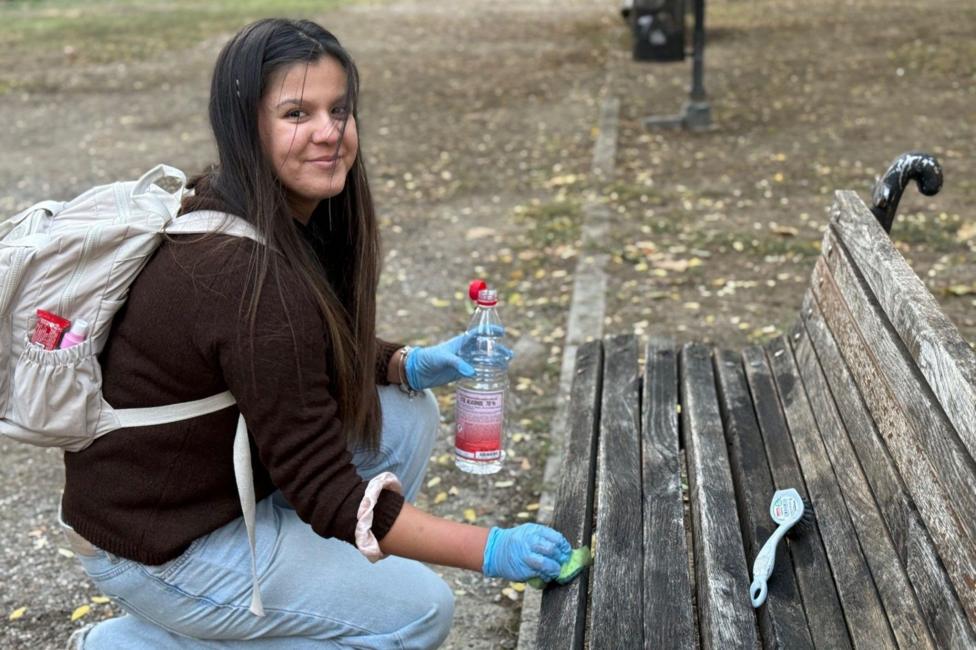 Image source, Aleksandar Miladinović/BBC
Volunteers like Marija Milovanović came out in force to clean up Pioneers' Park the day after the students' movement won the election
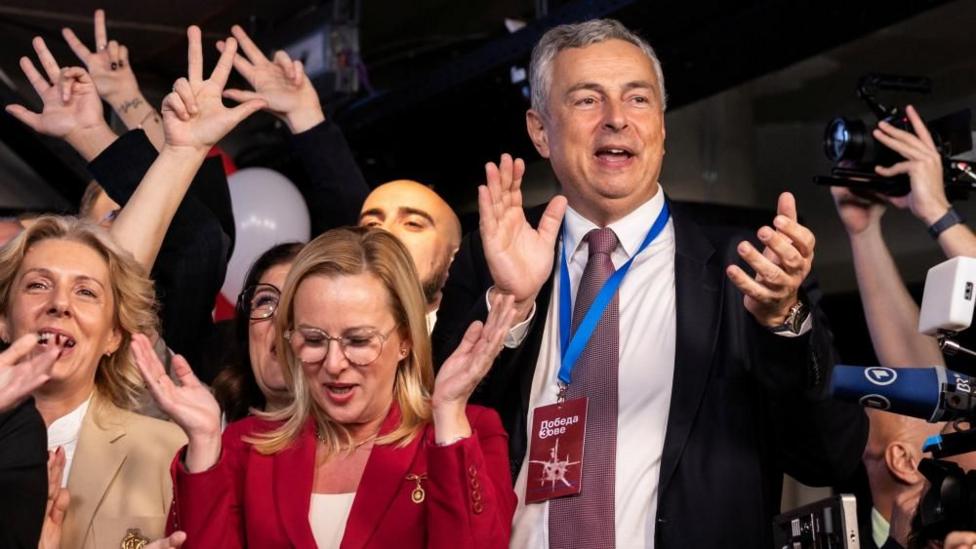 Image source, Reuters
Former central bank governor, Dejan Šoškić, believes key reforms need to be in place within six months
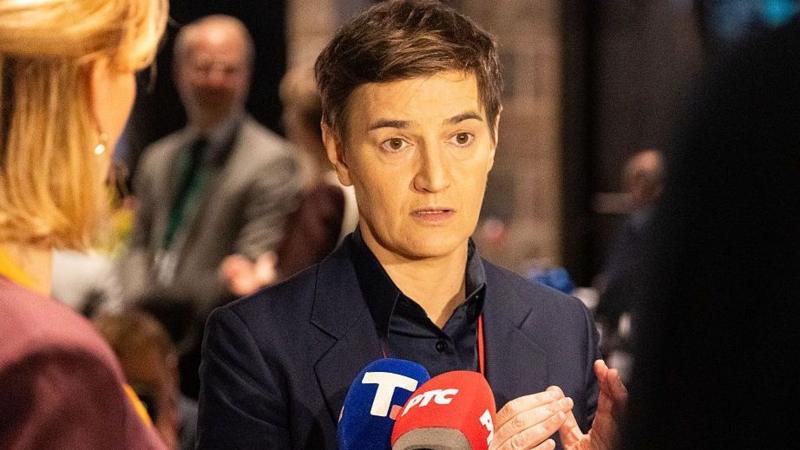 Image source, NurPhoto via Getty Images
Acting President Ana Brnabić accuses the election winners of meting out
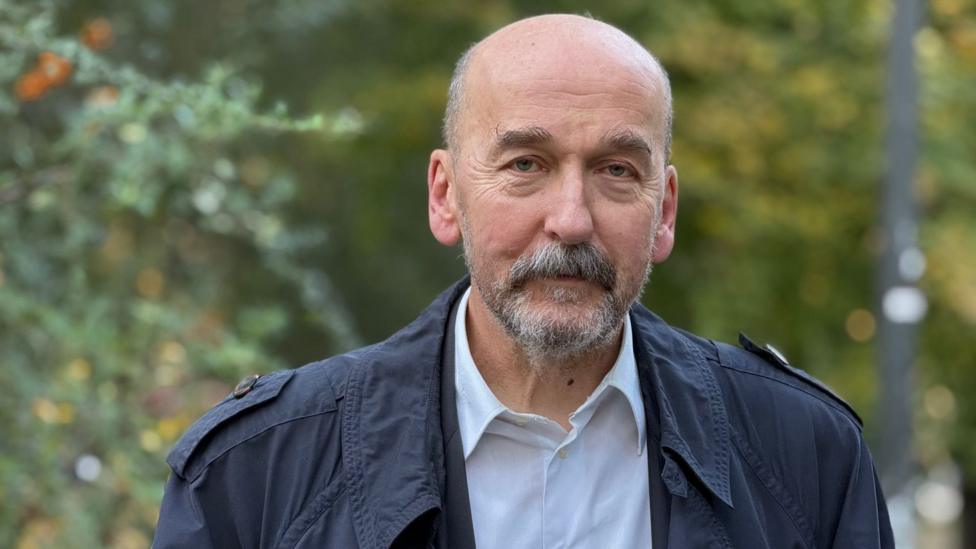 Image source, Aleksandar Miladinović/BBC
Radomir Saičić says he and his newly elected colleagues will work very closely with the students who selected them