The key facts
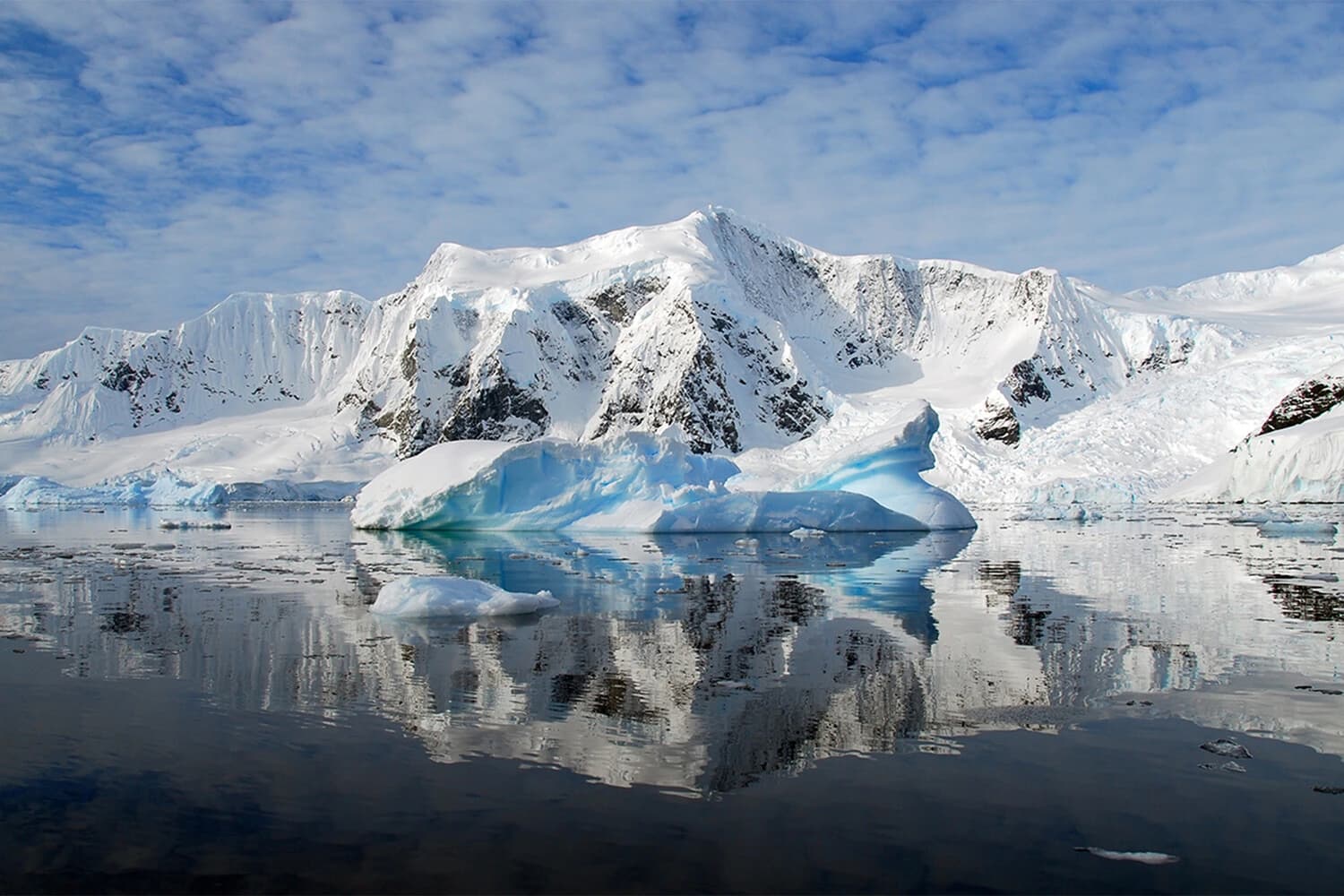
- The Smolensk base is being created on Livingston Island in Antarctica for long-term fundamental research
- The first permanent structure will be a residential module, followed by the Okean.Stantsiya measurement complex with data transmission via Starlink
- Biologists, zoologists, hydrologists and geologists will be able to work on the island
A new polar base in Antarctica
The first polar base of modern Russia's history, Smolensk, will be opened on Livingston Island in Antarctica. TASS reported this, citing the press service of the round-the-world voyages club 5 Oceans; the outlet Gazeta.Ru also covered this initiative.
Who went to Antarctica and why
Traveler Fyodor Konyukhov and the club's founder Oleg Dudkin have set off for Antarctica to establish the Smolensk base. It will be created for long-term fundamental research: biologists, zoologists, hydrologists and geologists will be able to work on the island.
How the base will be deployed
Initially, a residential module will be brought to Livingston — it will become the first permanent structure of the future base. Later, the Okean.Stantsiya (Ocean.Station) measurement complex will be installed there, which will collect, process and transmit hydrometeorological data via Starlink.
Context of Russian ecosystem research
In the same report, Gazeta.Ru recalls recent related developments: specialists from the Institute for Statistical Studies and Economics of Knowledge at HSE University identified technologies that could form the basis for environmentally responsible development of the Arctic, using the iFORA big data processing system. In addition, in Russia the world's largest database on the 'chemistry' of freshwater ecosystems was created. These projects are not directly related to the Smolensk base, but they illustrate the direction of Russian research into polar and aquatic ecosystems.