The key facts
- Police Scotland has joined the international investigation into 'The Com' networks that coerce children into self-harm selfies
- Police Scotland has joined an international investigation into 'The Com' networks that coerce children into self-harm selfies
- One Scottish case involves almost a thousand images, which investigators are examining to identify the victim and the offender
- In May the NCA reported around 200 cases linked to these networks; in August, 20-year-old Justin Swaddle received two years in prison for blackmailing more than 100 victims
- In May the NCA reported around 200 cases linked to these networks; in August 20-year-old Justin Swaddle was sentenced to two years in prison for blackmailing more than 100 victims
Scotland joins international investigation
Detectives from Police Scotland have joined international law enforcement efforts against online groups that recruit and coerce children into acts of self-harm. The groups are loosely connected online networks known as 'The Com' (from 'the community'), which mainly target girls through gaming platforms and social media. This is reported by BBC News citing interviews with officers from Police Scotland's internet investigations unit.
How the groups operate and who their members are
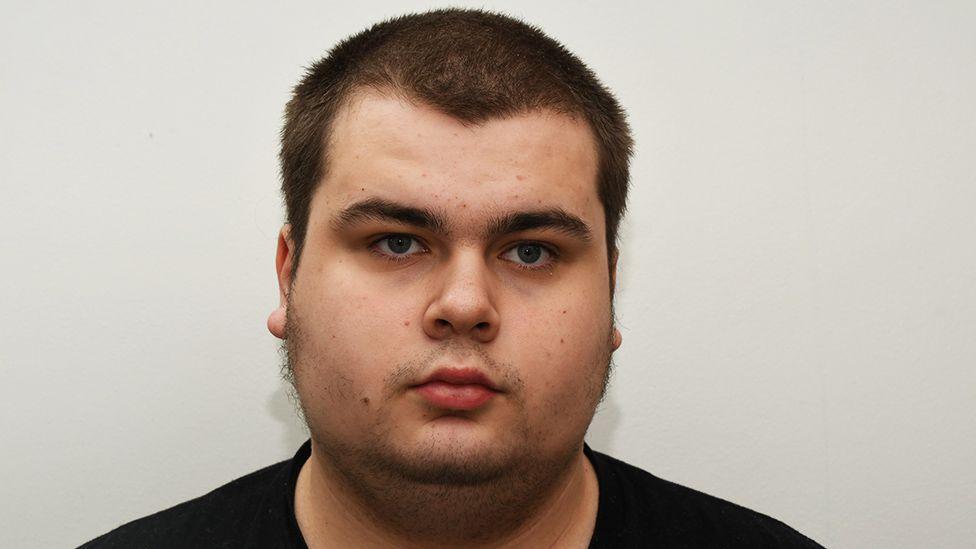
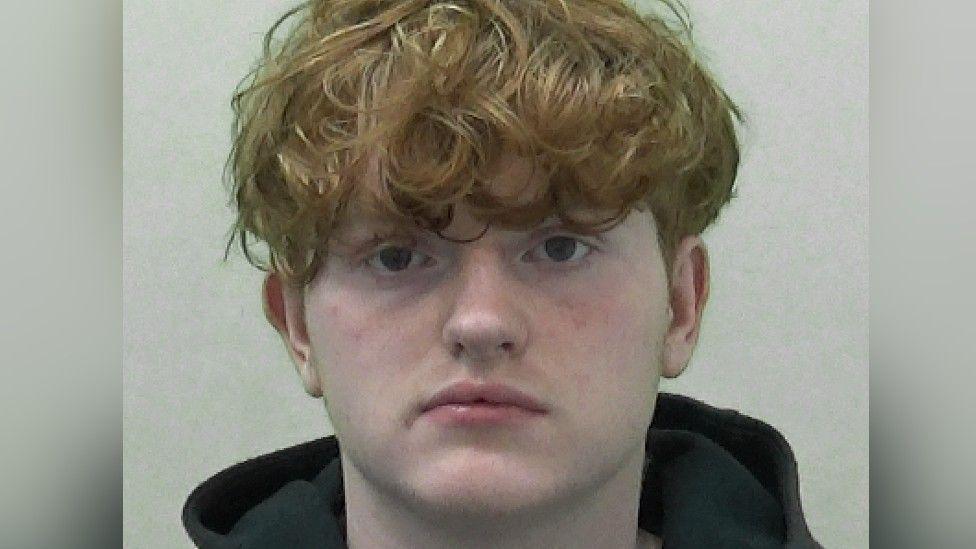
The groups, made up mostly of teenagers and young men, have gained notoriety in recent years over cases of sextortion, hacking and incitement to self-harm. The gangs '764' and 'CVLT' featured in high-profile court cases, while the composition and structure of the networks constantly change. According to a detective, victims are most often vulnerable girls aged 11 to 17: offenders find them, for example, on forums about suicidal thoughts or eating disorders, initially behave supportively, and then gradually escalate their demands — from a small cut to harming a pet or a brother or sister. Satanic imagery, investigators say, is used merely to appear 'as extreme as possible', rather than out of genuine belief. The motive is often 'kudos' — status in the eyes of the community.
The Scottish case and the scale of the threat
In a specific Scottish case shown to the BBC by a detective (name changed), there are almost a thousand images, including pictures of a girl's bloodied arm and a symbol drawn in blood on a bathroom wall; the material was passed on through the National Crime Agency (NCA) after a tip-off from the American centre NCMEC. Head of the unit Detective Chief Inspector Craig Faulds described such crimes as 'an evolution of online child abuse and sexual exploitation' and confirmed that victims and perpetrators have already been identified in Scotland, with the threat at the mapping stage. So far there has been one arrest in Scotland, whereas in England a number of sentences have been handed down: in August, 20-year-old Justin Swaddle received two years in prison for blackmailing and coercing more than 100 victims into self-harm, including carving his nickname into their bodies. In May, the NCA said it was investigating around 200 cases linked to these networks. NCA representative Hazel Stewart described the scale as 'low-volume, high-harm' and called the threat global, noting cooperation with the USA, Australia, Canada, New Zealand, Interpol and Europol.
Criticism of the regulator and its response
The Molly Rose Foundation, a charity supporting affected young people and families, said such networks 'pose the greatest danger to children online', and its head Andy Burrows criticised the regulator Ofcom for its slow response to warnings, calling it a manifestation of weaknesses in the online safety law; he also urged Andy Burnham to go beyond a full ban on social media and to push all platforms, including gaming and encrypted messengers, to make the environment safe. Ofcom responded that threats from 'Com' groups are 'a particular concern' and that the regulator works closely with police and child protection organisations, ready to act against services that fail to meet their obligations.
 Image source, Getty Images
Police in Scotland are joining other forces in targeting online gangs which force children - mostly girls - into acts of self-harm
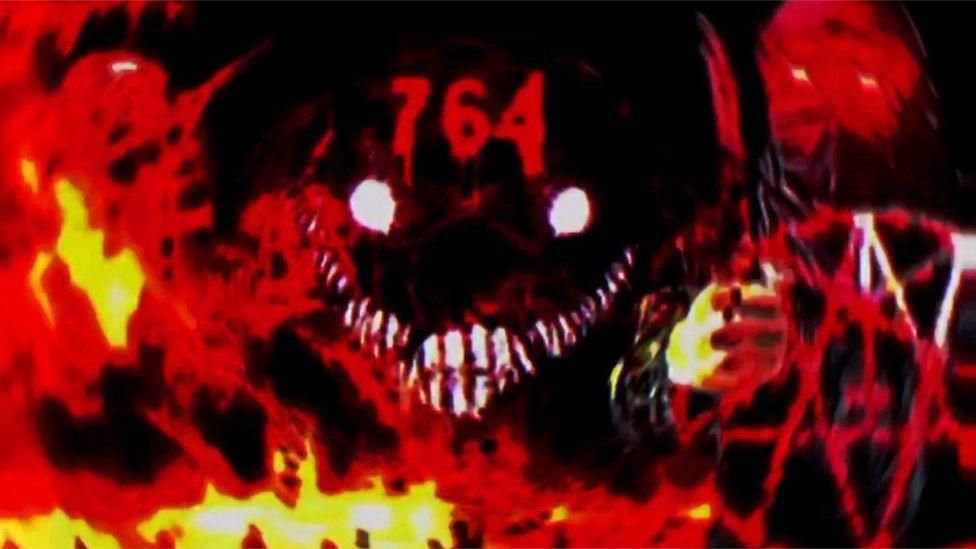
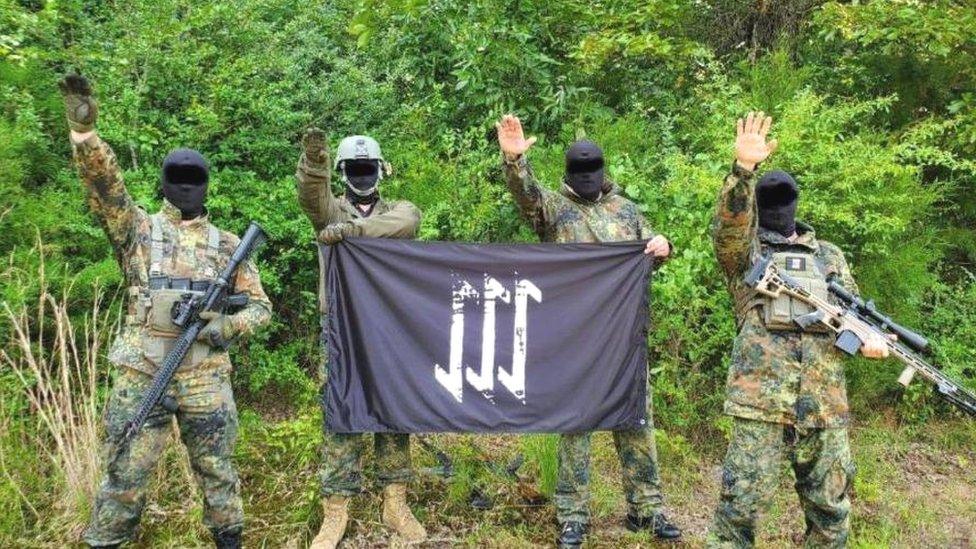
Members of 764 - a Com group - share disturbing video and images
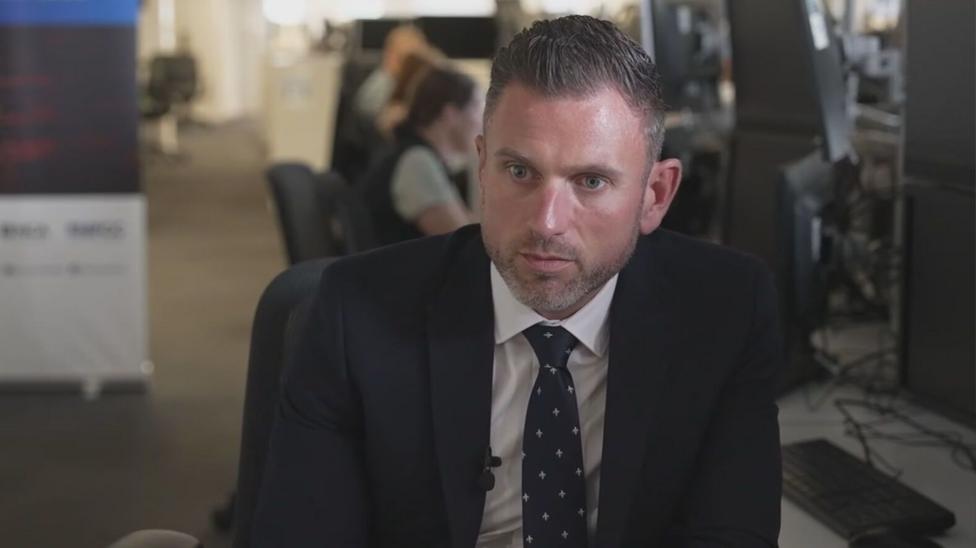
Det Ch Insp Faulds said victims and perpetrators had been identified in Scotland