The key facts
- The USB general strike brought tens of thousands of participants to Rome, Milan, Turin, Bologna, Genoa, and Naples
- Protesters criticized Giorgia Meloni's government over low wages, rising fuel prices, and military spending
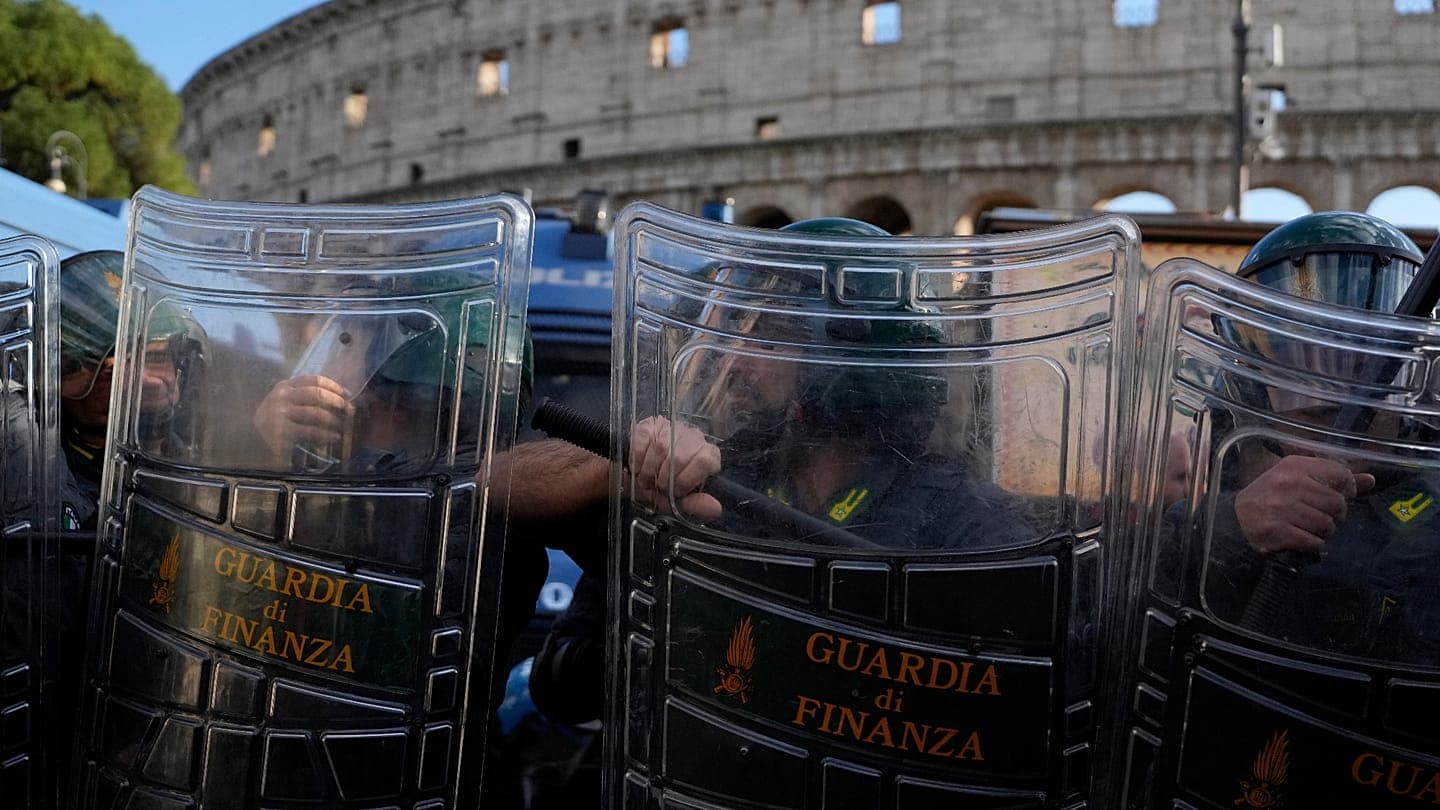
- Police were reinforced after riots two weeks earlier; no major clashes were reported by midday
Strike and marches in dozens of cities
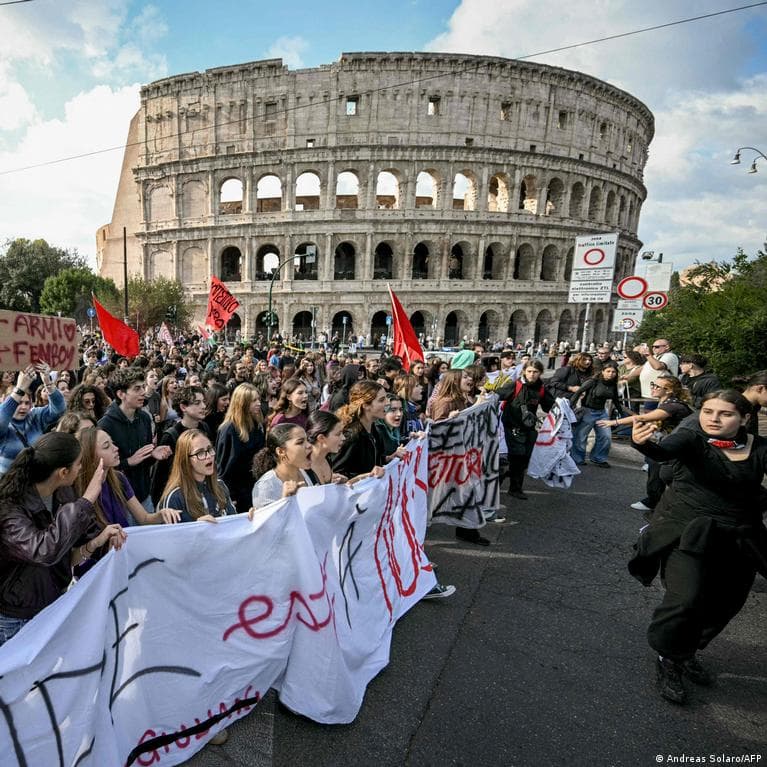
On October 30, 2026, tens of thousands of students and workers took to the streets of Italian cities, demanding increased education funding and measures against the rising cost of living. The actions were accompanied by a general strike called by the USB union; truck drivers, taxi drivers, and farmers joined the protests, as well as firefighters, teachers, and pensioners. Demonstrations took place in dozens of cities, including Rome, Milan, Turin, Bologna, Genoa, and Naples, as reported by Deutsche Welle.
March in Rome and participants' demands
In Rome, a column gathered at Termini station and at around 10:40 a.m. set off from Piazza dei Cinquecento, led by a large banner condemning those who, according to the organizers, profit from workers' labor. According to euronews, dancers marched behind the banner, while tractors and taxis followed behind; the route passed the Colosseum. Participants chanted slogans such as 'We need more houses, not bombs!'. The demonstrators criticized the right-wing government of Prime Minister Giorgia Meloni over low wages, rising fuel prices, and military spending, demanding that state resources be directed toward social needs. Beatrice Cillelli, a 21-year-old student at a Rome university, told AFP that students are 'at their limit' and cannot pay exorbitant tuition and housing rent.
Reinforced policing
Police were deployed in large numbers because the previous cost-of-living demonstration in Milan two weeks earlier was accompanied by riots: looting of shops, property damage, and clashes with police. Authorities stepped up security at landmarks, including the Colosseum in Rome and Milan Cathedral. In Turin, minor scuffles between demonstrators and police occurred at the start of the march, but no major clashes were reported by midday. In Milan, the procession deliberately bypassed the city center. The protests themselves have been going on for several weeks: students have set up tent camps and occupied schools, and the movement has gained momentum from similar demonstrations in France and Spain.