The key facts
- 68% of Florida's Cubans voted for Trump in 2024; FIU poll: 76% disapprove of deporting Cubans without criminal records, but 68% intend to vote Republican in November
- Congresswoman Maria Elvira Salazar said deportation policy had gone 'too far' and is in a tight race against Cuban-American Democrat Eliott Rodriguez
- Congresswoman Mar-a Elvira Salazar said the deportation policy has gone
- The White House says more than 3 million illegal migrants have left the US; Trump canceled humanitarian parole for roughly 300,000 Cubans
A community that considered itself protected
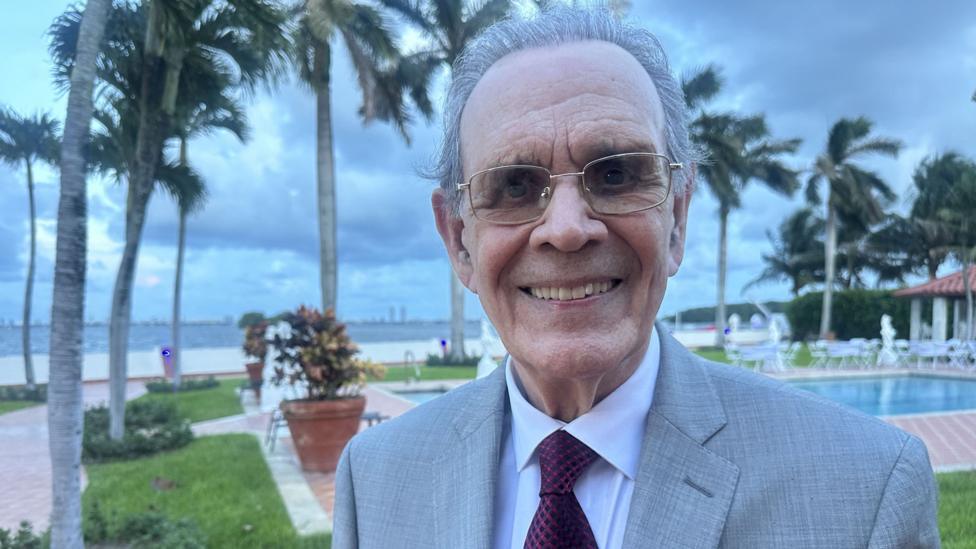
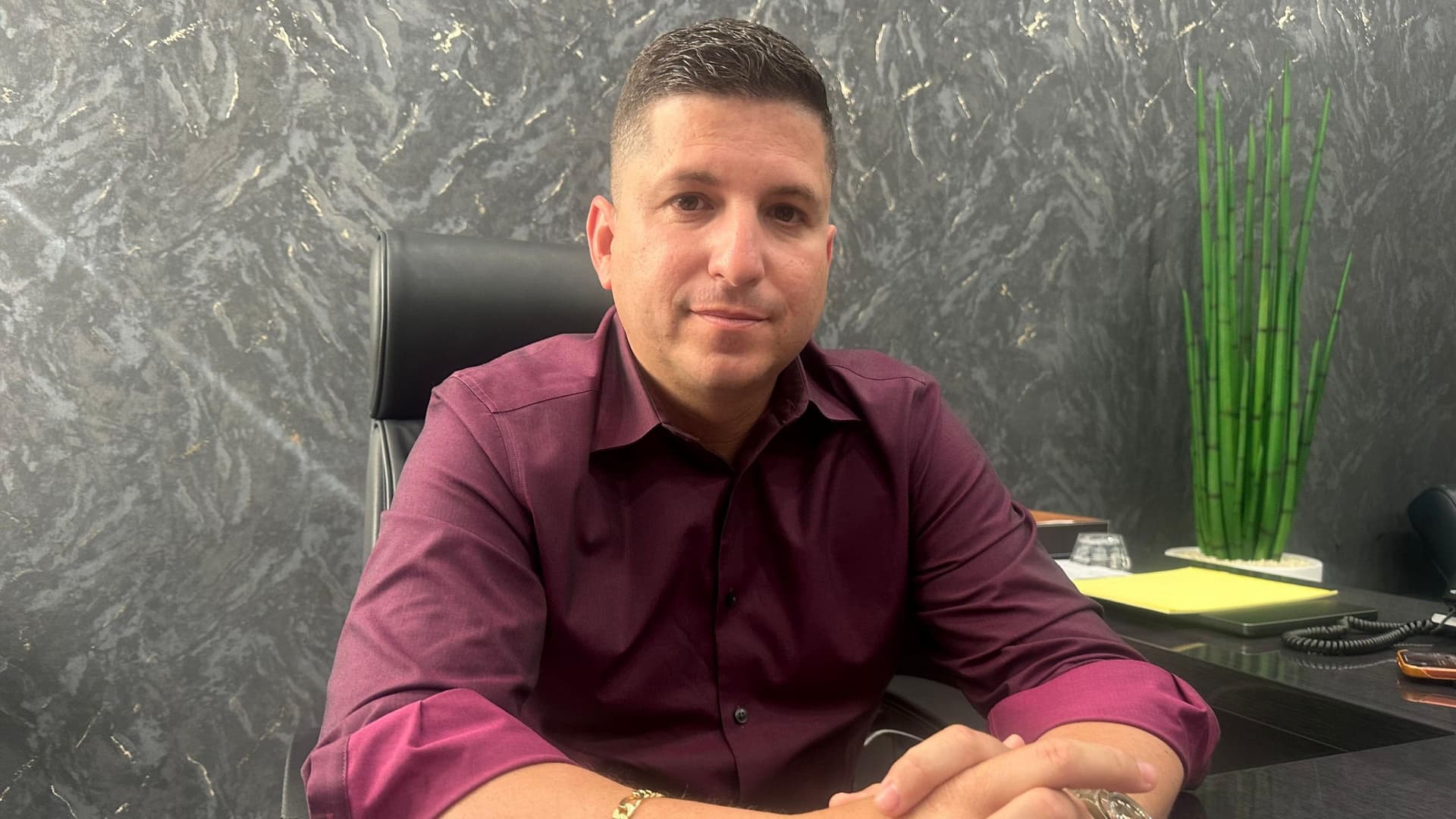
Two years after the launch of the mass deportation campaign, the waiting room of Cuban immigration attorney Ismael Labrador in Miami is never empty: his schedule is packed with relatives of detainees trying to secure release before removal. 'Business is going great, but I wish it were different,' he says. According to him, Cubans, who traditionally enjoyed a special immigration status under the Cuban Adjustment Act of the 1960s, have found themselves 'more vulnerable in the US than they could ever have imagined.' 'If you don't have a green card, you can become a target,' the attorney believes. This is reported by BBC News in a piece published on October 30, 2026.
The voices of disillusioned voters
Labrador was among the 68% of Florida Cuban-Americans who voted for Donald Trump in 2024, and today he regrets it. He says he expected the deportation of criminals, not 'everyone indiscriminately': 'We were blinded by the administration. This is not what I voted for.' His cousin, despite the attorney's efforts, was deported to Cuba. Wide attention was also drawn to the case of 39-year-old Ecuadorian Grays Calero and her 19-year-old daughter, detained by ICE agents right in a hospital after a car accident in Kissimmee and deported to Ecuador within days.
A split within the Republican camp
Discontent has reached politicians as well: Congresswoman Maria Elvira Salazar, representing Florida's 27th district, released a video outside the White House in which she said deportation policy had gone 'too far,' addressing Trump with the words: 'The same Latinos who helped you get to the White House in 2024 today feel betrayed.' At the same time, Salazar is locked in a tight race for her seat against Cuban-American Democrat Eliott Rodriguez, and her closeness to Trump on immigration could cost her the mandate. The White House, for its part, told the BBC that Trump was fulfilling a campaign promise and 'more than 3 million illegal aliens have left the US,' while ICE emphasizes that it targets everyone who violates immigration law.
A contradictory polling picture
Polling data paint an ambiguous picture. A Florida International University poll, published on Thursday, showed that 76% of South Florida Cubans do not approve of deporting Cubans without criminal records, yet 68% still intend to vote Republican in November. In Miami, entrepreneur Juan Omar Sexto claims that 'Miami loves Trump' — although he himself admits he entered the US illegally six decades ago. Outside Florida, Latino support for Republicans is declining: an NBC News/Telemundo poll of 8,000 registered Latino voters showed that nearly 60% want to see Congress under Democratic control versus 35% for Republicans. In 2024, Trump defeated Harris in Texas with the largest margin since 1988, 56.1% to 43% — thanks in part to Latino voters.
The story of Heidi Sanchez
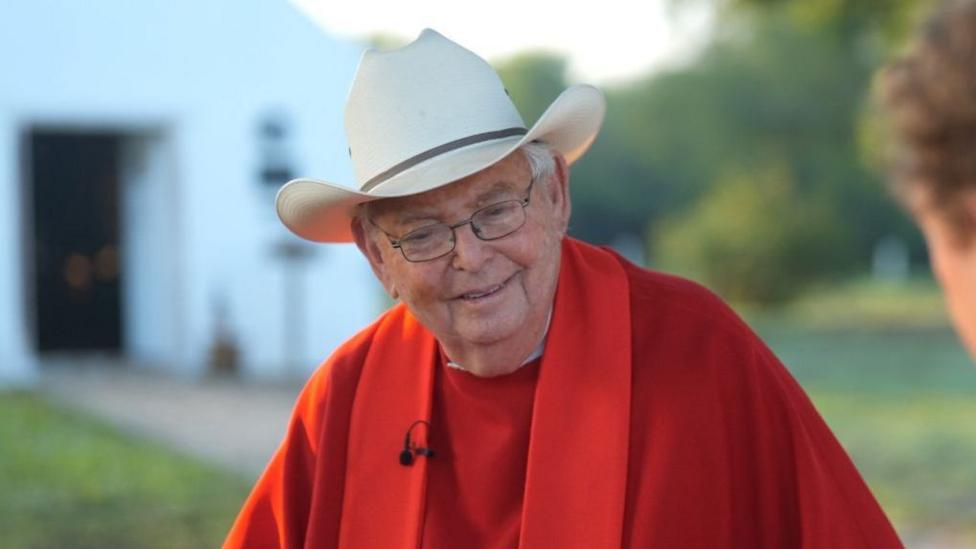
A symbol of discontent has become the story of Heidi Sanchez, who left Cuba in 2019 and worked in Tampa with autistic children and the elderly. After Trump canceled humanitarian parole for roughly 300,000 Cubans, her unscheduled meeting with ICE turned into a detention: her one-year-old daughter Kaylin was handed over to her father — a US citizen — while Sanchez herself was deported to Havana in shackles without the right to appeal. More than a year later, she lives in a one-room apartment in Mayabeque province. ICE stated in a statement that 'the parent stated a desire to be deported without the child and left her with a safe relative in the US.' Despite support from several politicians, including Salazar, Sanchez remains in limbo in Cuba, which, according to the BBC, is experiencing its worst energy crisis amid a months-long fuel blockade by the US.
What this means for the elections
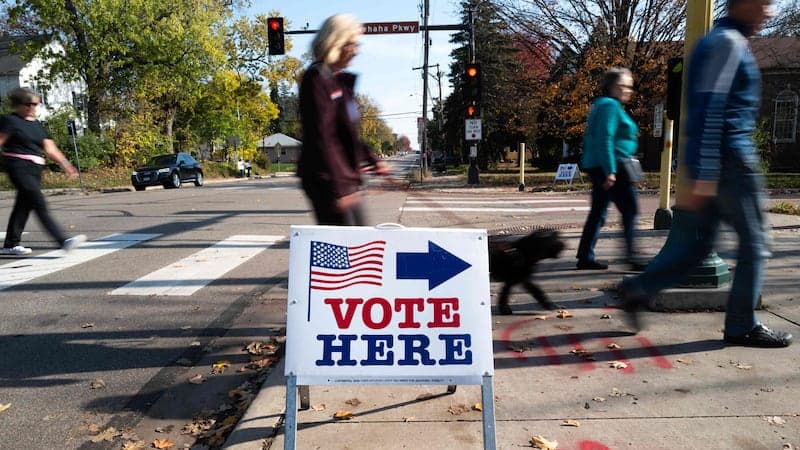
The BBC piece comes two weeks before the US midterm elections, and its central thesis is a shift in sentiment: Cuban Americans in Florida, who previously considered themselves exempt from immigration crackdowns, have realized they are vulnerable to deportation. However, data from the same FIU poll show that disappointment with a specific policy has not yet turned into a rejection of the Republican Party — 68% still say they are ready to vote for it. The contradiction between dissatisfaction with deportations and electoral loyalty remains the key question of the November vote, and the final answer will be given by the election itself.
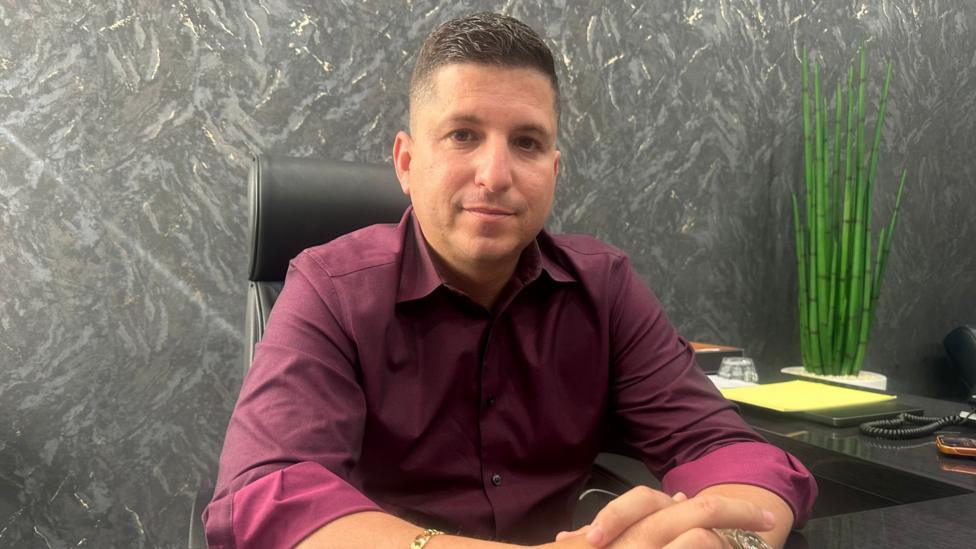
Ismael Labrador voted for Trump - but he says he was

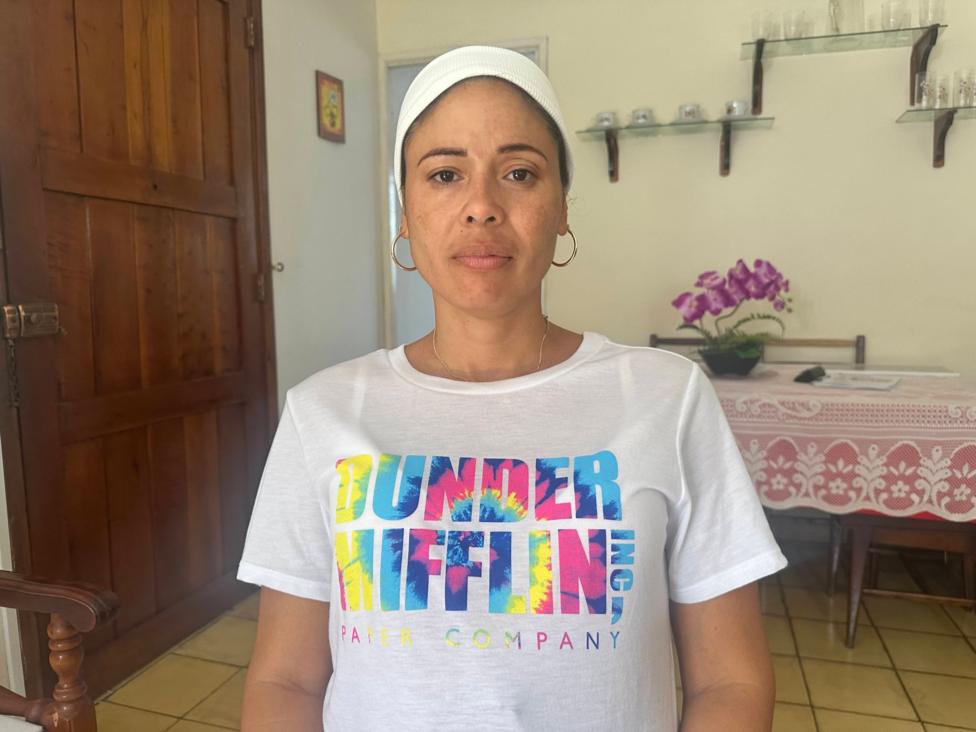
Heydi Sanchez was deported to Cuba and separated from her young daughter