The key facts
- The EU–Canada summit in Montreal is expected to expand cooperation in trade, AI, climate, security and the Arctic
- The EU is ready to cover about €46 billion of Ukraine's €70 billion budget shortfall for 2027 and expects Canada to cover the remaining third
- Germany secured the replacement of the 'associate membership' formula with 'ever closer association' in the final declaration
A summit made possible by the rupture with Washington
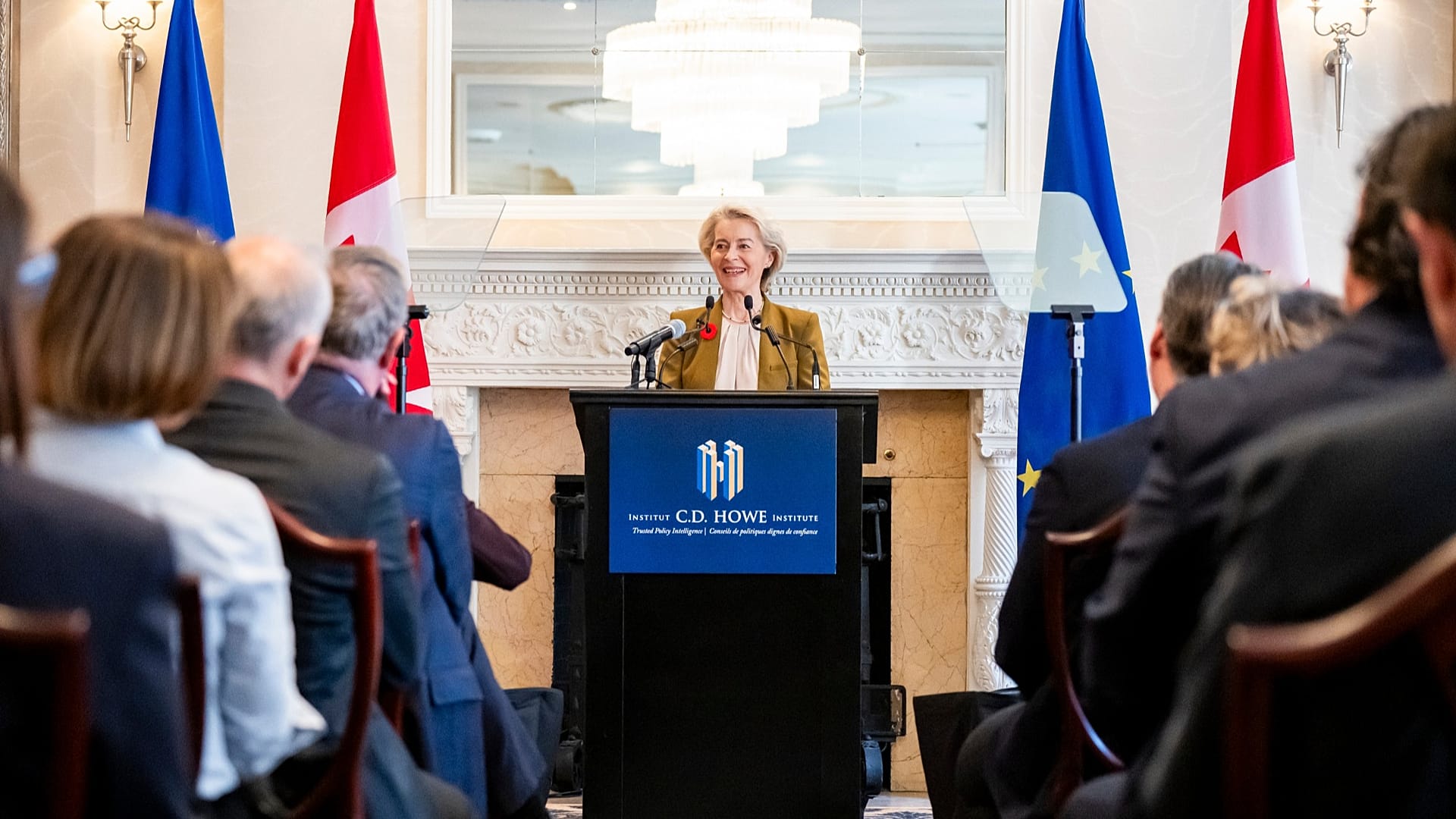
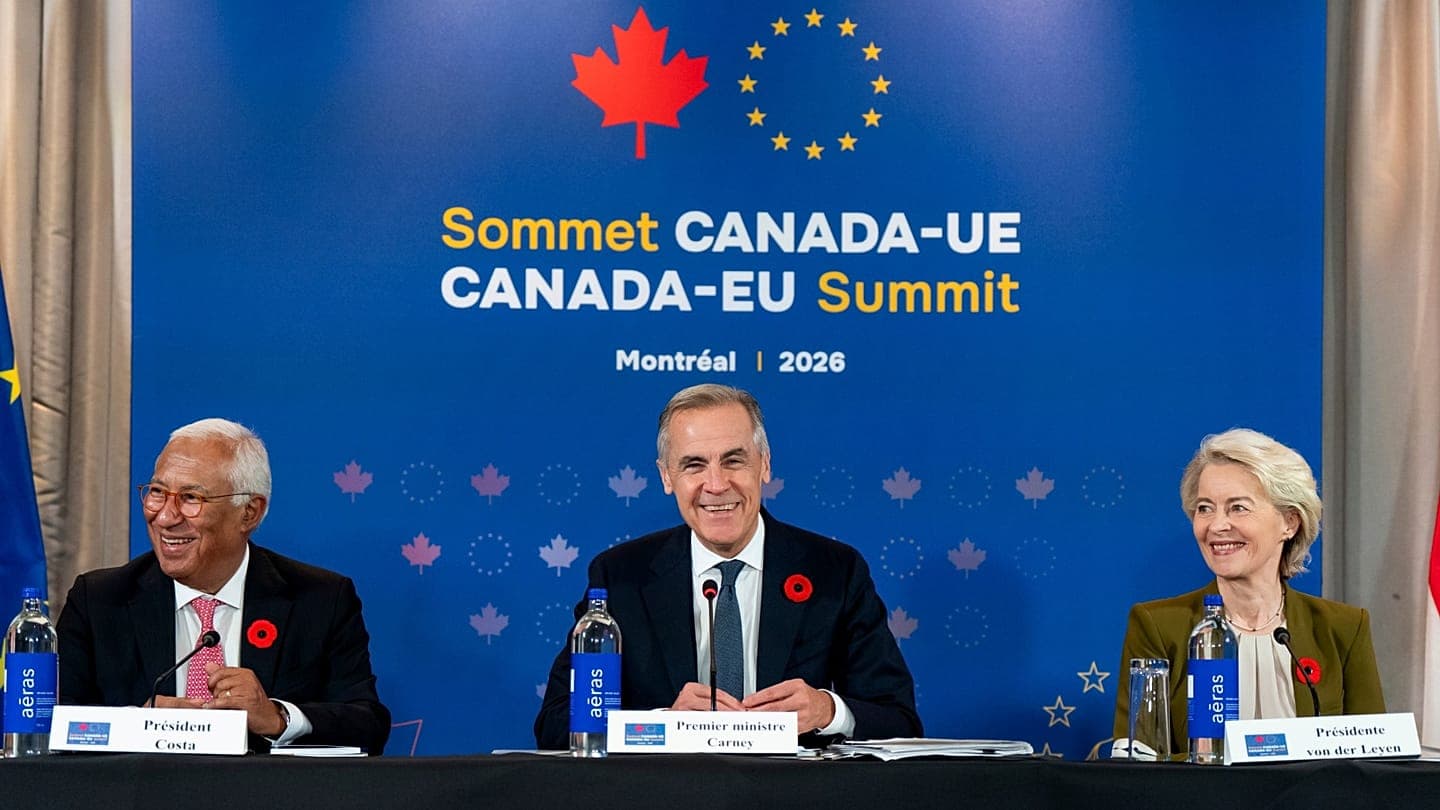
On Friday, October 30, 2026, Montreal hosts the EU–Canada summit, which, according to Euronews, is meant to take the partnership between the two sides to an unprecedented depth. Brussels aims to make Canada its closest ally outside Europe — a role traditionally held by the United States. The impetus was Donald Trump's re-election: his tariffs, threats to annex Canada as the '51st state', his leaning toward Russia and his attacks on the multilateral system, the outlet writes, undermined Europeans' trust in Washington, while for Canada the search for alternative allies became an 'existential necessity' due to its dependence on the US economy.
From von der Leyen's proposal to a formula 'without membership'
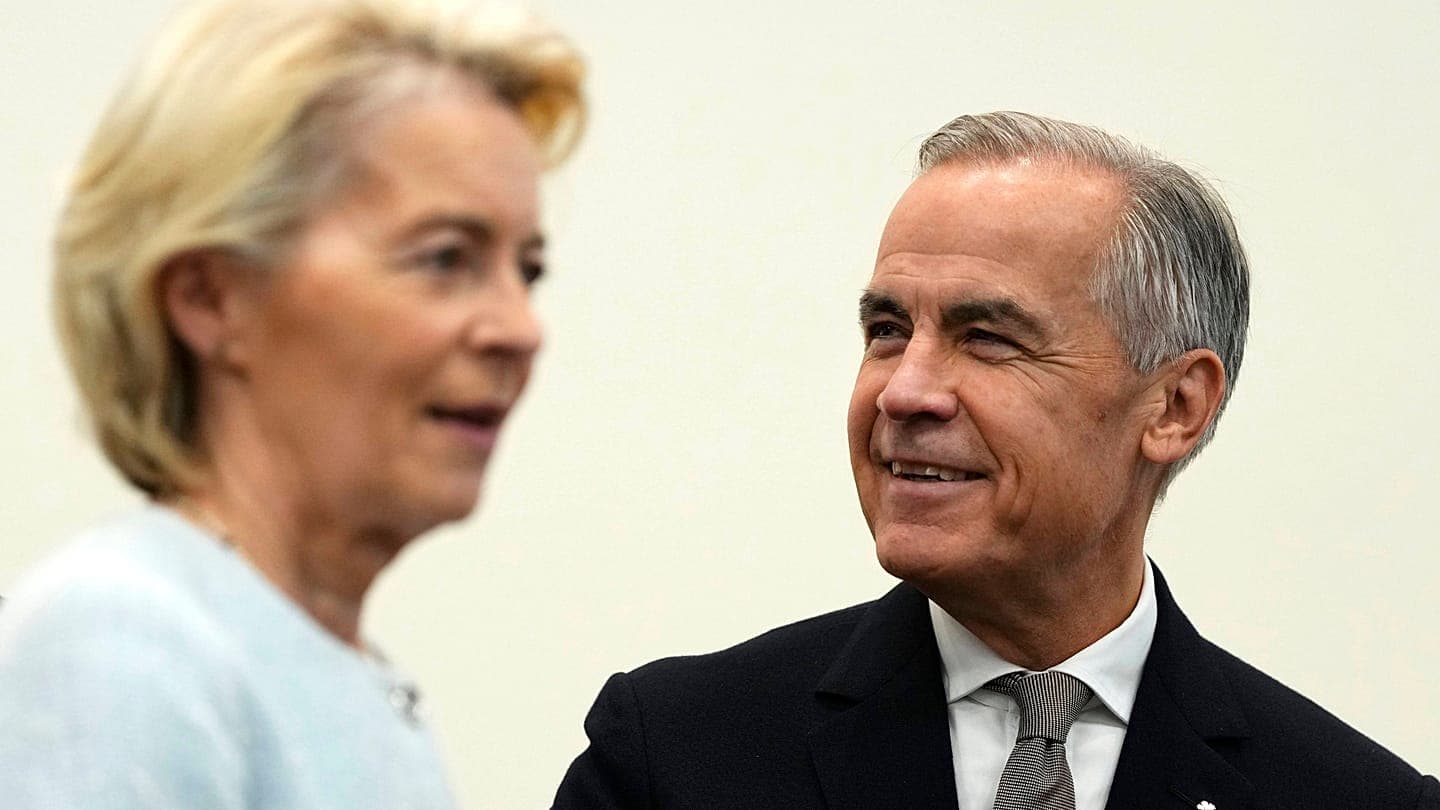
The symbolism of the meeting was built in advance: in September, Ursula von der Leyen invited Canadian Prime Minister Mark Carney to her State of the Union speech and, to the audience's surprise, proposed making Canada the bloc's first 'associate member'. In response, Carney presented in Strasbourg the idea of an 'alliance of the future' which, in his words, should be 'strong enough that no one can dictate our choices' and 'open enough that others can join'. On the eve of the summit, he confirmed that Canada and the EU 'are forging a new alliance of the future, with Canada as an associate member'.
Germany struck out the key formula
The summit began awkwardly: a few hours before von der Leyen's departure for Montreal, her native Germany secured the removal of all mentions of 'associate membership' from the final joint declaration — instead, the text speaks of commitment to an 'ever closer association'. Notably, Berlin itself had earlier introduced the term 'associate member' in the context of Ukraine and, despite the mixed reaction, had not abandoned the idea. Von der Leyen, however, did not back down: 'Our idea is simple: it is association without membership. But we can replace membership with a shared ambition and vision,' she said, adding that the partnership could become closer to membership 'than anything done before'.
What is on the agenda
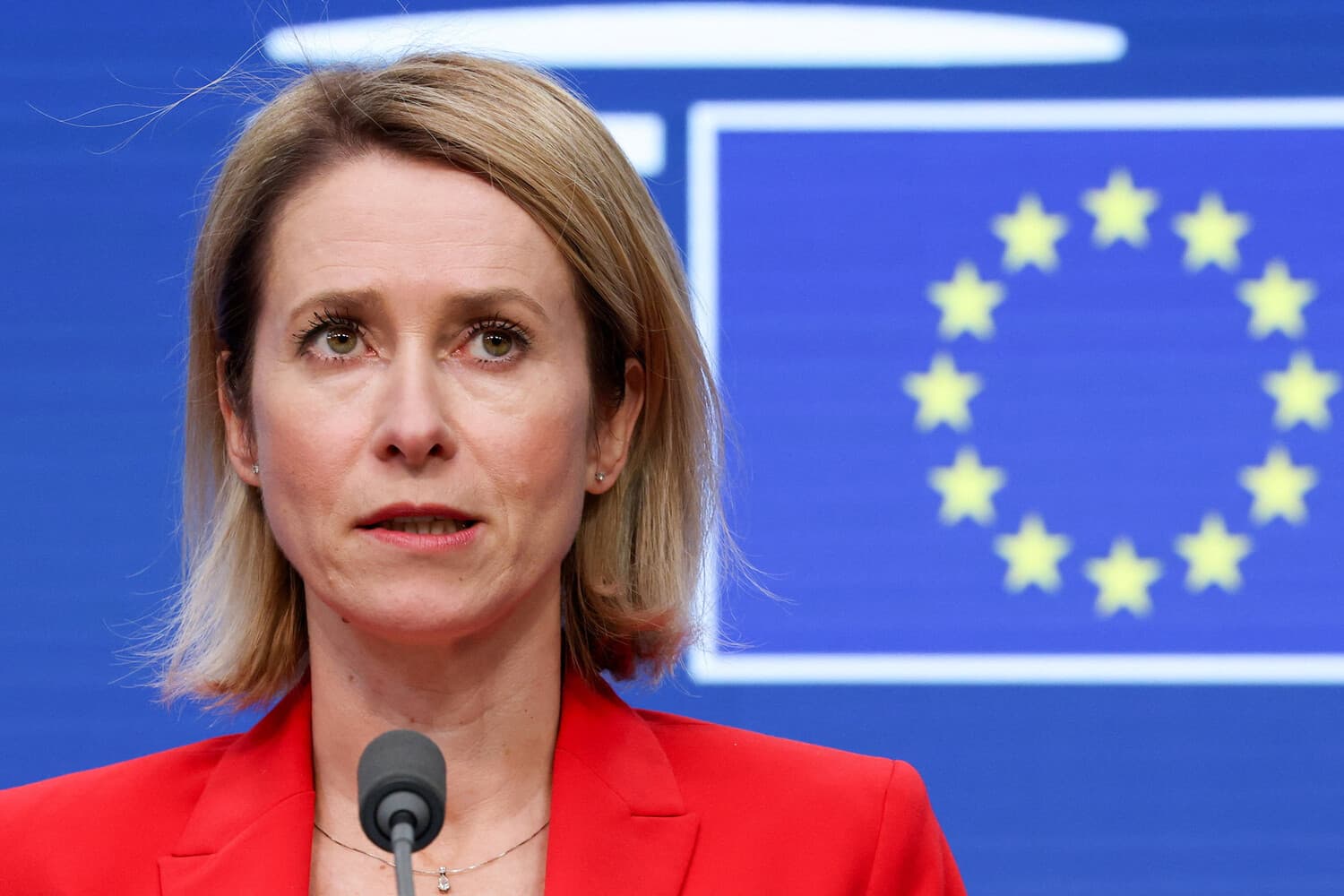
Cooperation is expected to expand in trade, investment, supply chains, AI, climate, security and the Arctic, as well as to advance Canada's integration into EU programmes such as Horizon and Erasmus. A special place is occupied by critical raw materials and liquefied natural gas — exports Canada is ready to increase: the EU is seeking minerals to reduce its dependence on China, and new energy suppliers to bring prices down. The institutional scale is underscored by the composition of the delegation: besides von der Leyen, European Council President António Costa, High Representative Kaja Kallas and nine commissioners arrived in Montreal; Brussels is considering a meeting of the full College of Commissioners with the Canadian cabinet next year — a format last used with India.
Ukraine: €70 billion and Canada's role
Support for Ukraine was also named a summit priority; due to Russia's escalation, the destruction of its economy and the blockade of Black Sea routes, Ukraine faces a €70 billion shortfall in its 2027 budget. The EU is ready to cover about €46 billion — two-thirds of the shortfall — and expects allies, including Canada, to cover the remaining third. Moreover, the aid must be new and additional to what has already been pledged: Canada's participation in the bloc's €90 billion loan for Ukraine will not count toward this.
What is known and what remains uncertain
The summit's final decisions had not been announced at the time of publication: Euronews described the expected agenda and plans, not signed agreements. A senior EU official acknowledged that the sides are entering 'somewhat uncharted territory'. The legal substance of 'associate membership' also remains uncertain — especially after Germany secured its removal from the declaration, even though von der Leyen and Carney continued to use the term publicly.