The key facts
- 11 EU countries have committed to releasing 20.5 million barrels of diesel fuel from strategic reserves by the end of January 2027
- The initiative was presented by French Energy Minister Roland Lescure on 29 October in Luxembourg; it follows the March collective release of 42.6 million barrels
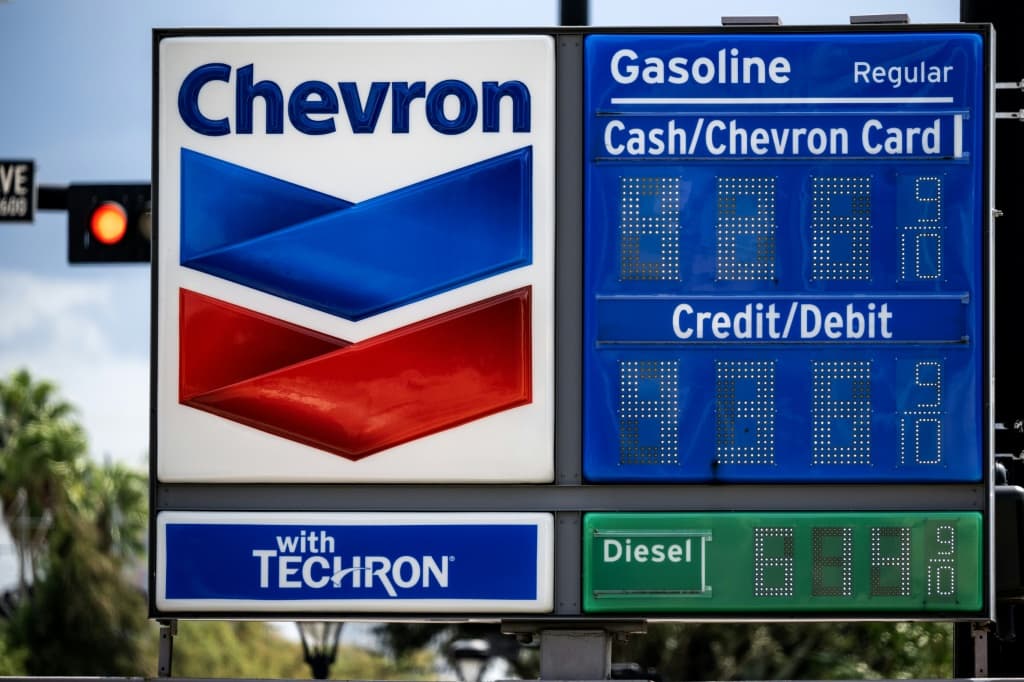
- On 20 October Brent traded at 112 dollars per barrel against a pre-war level of 40 dollars; Brussels does not forecast a physical shortage but fears the consequences of rising prices
A joint commitment by eleven countries
Eleven EU countries — Belgium, Denmark, France, Germany, Greece, Italy, Lithuania, Luxembourg, the Netherlands, Portugal and Sweden — have committed to releasing 20.5 million barrels of diesel fuel from strategic reserves by the end of January 2027. According to Euronews, citing a document it has seen, the decision was taken against the backdrop of continued instability in the Middle East and concerns about fuel supplies in winter. In a joint declaration, the countries state that they «have taken and are taking decisive action» to increase the supply of oil and petroleum products from strategic reserves, including diesel.
The link to the March action and the price context
The initiative was presented by French Energy Minister Roland Lescure on the sidelines of the meeting of energy ministers in Luxembourg on 29 October. It follows the G7 leaders' statement on energy security and an urgent appeal by the International Energy Agency (IEA), and also refers to the March collective release of 42.6 million barrels of oil and petroleum products coordinated by the IEA — almost half of those petroleum products were diesel, which the European Commission's monitoring group described as «still in short supply». Pressure on the market is illustrated by the oil price: on 20 October Brent traded at 112 dollars per barrel, compared with a pre-war level of 40 dollars. According to Euronews, the release of reserves is taking place under pressure from the US administration.
Who will be affected by the shortage and what Brussels says
The EU is vulnerable to disruptions in the diesel market, on which road transport, freight haulage, agriculture and industry depend. Brussels maintains that «no physical shortage is expected»; however, according to Euronews, Energy Commissioner Dan Jørgensen said that the rapid rise in prices would ultimately hit the most vulnerable hardest. Analysts view the release of reserves as a temporary measure that does not address the internal vulnerabilities of the bloc's energy system: emergency stocks cannot compensate for disruptions to refining capacity or international supply chains.
Monitoring, refining and next steps
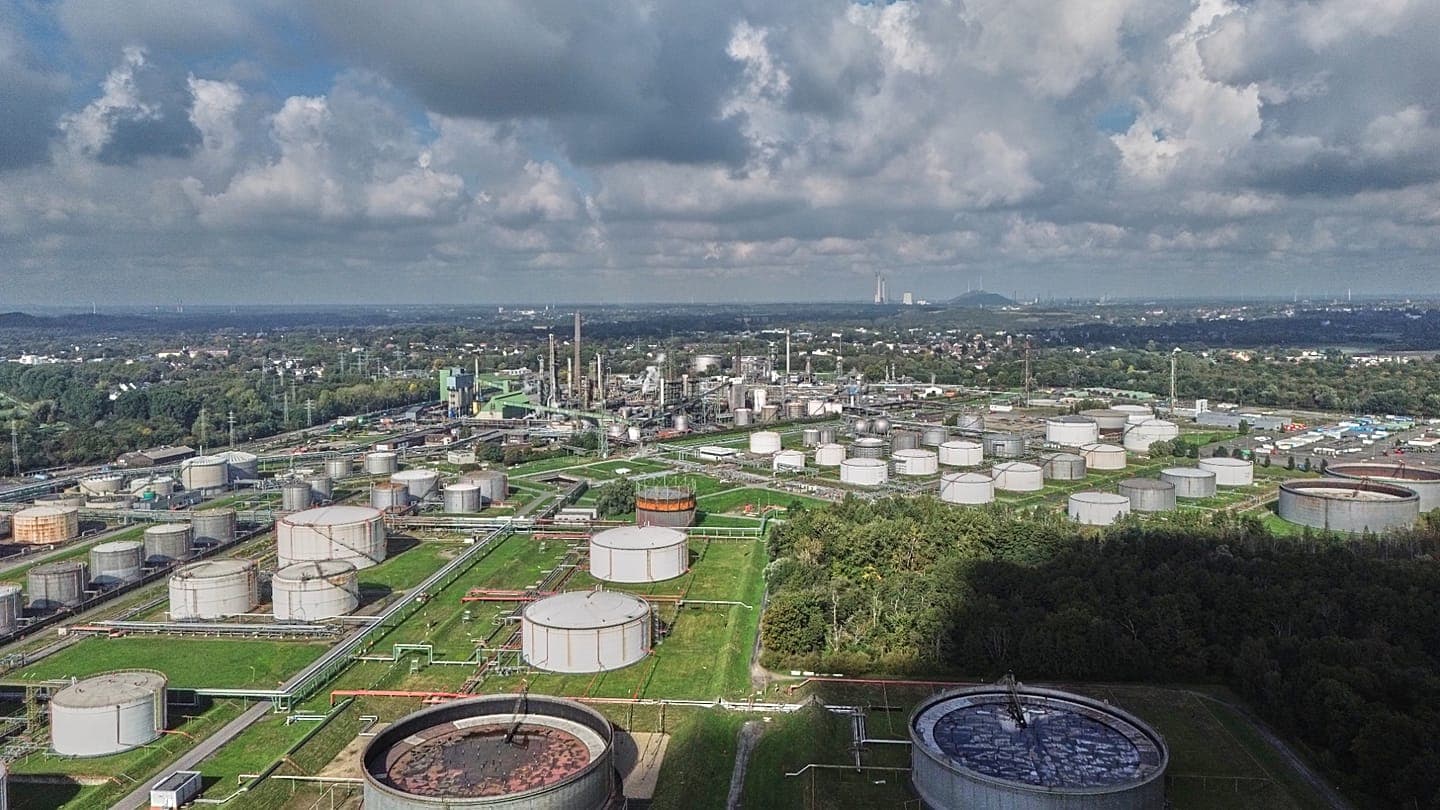
The eleven governments have called on the European Commission to coordinate monitoring through its oil monitoring group: to collect monthly data on release volumes, product types and delivery timelines in order to give markets greater transparency and allow governments to coordinate further measures should the situation deteriorate. The declaration also stresses the role of oil refining: the protracted war in the Middle East, with attacks on Gulf refineries, and Ukrainian strikes on Russian refineries have increased pressure on an already strained global diesel market. The Commission recently began a strategic dialogue with European refineries and fuel producers, while the industry association FuelsEurope said there was a need for «an approach that protects the competitiveness» of the sector and called on Brussels to create investment conditions for its transformation. The overall implementation of the commitments is to be assessed at a meeting of EU energy ministers on 10 December — ahead of the January deadline.