The key facts
- According to polls, Democrats have a chance to take the House of Representatives and possibly the Senate, but the party retains a net-negative rating
- The intra-party conflict runs between the moderate wing and the left — over Medicare for All, support for Israel, and the anti-corruption agenda
- The intra-party conflict runs between the moderate wing and the left — over Medicare for All, support for Israel and the anti-corruption agenda
- Abdul El-Sayed's race in Michigan is seen as a test of progressivism's viability in a 'purple' state
Favorites that voters don't like
On November 4, the US holds midterm elections for Congress, and according to the prevailing view in Washington, cited by BBC News, Democrats are well positioned to take the House of Representatives and possibly the Senate. The conditions genuinely favor them: Donald Trump's approval rating is record-low for a president heading into midterms (comparable to George W. Bush's in 2006), the war with Iran is unpopular and has pushed up gasoline prices, and voters are worried about the cost of living. In 18 of the last 20 midterm elections, the party in power lost House seats.
The party's identity is in question
And yet the Democratic Party itself is unpopular: according to Real Clear Politics averages, the public views it only slightly better than the Republicans, and recent polls show a net-negative rating. Analysts note that if the Republicans manage to hold on, one of the key reasons will be precisely voters' dislike of the 'Democratic brand.' Neera Tanden, former senior domestic policy adviser to Joe Biden and now head of the liberal Center for American Progress, and Ruy Teixeira of the center-right American Enterprise Institute agree on one thing: the party has not answered the question of what it stands for, and its identity is 'rather vague' — everything rests on reacting against the Trump administration.
Centrists versus the left
Analysts see the roots of the split in the fact that the party failed to hold this internal debate in 2024: Biden's abrupt withdrawal and Kamala Harris's nomination left no time for an argument over the party's course. Now the conflict is between the moderate wing and the left flank — and, more broadly, between 'institutionalists' and those who want to rebuild the system entirely. Usamah Andrabi of the left-leaning group Justice Democrats blames the party establishment for the Republican Congress and president, and insists on universal health care, affordable childcare, and cutting the Pentagon budget in order to end the 'endless wars.' Moderates, like Tanden, counter that the American working class 'is not made up of mini-socialists': DSA supporters are mostly college-educated voters, and on issues of crime and immigration working-class voters are fairly moderate.
Health care and Israel as litmus tests
The main battleground within the party, according to Carrie Dann of the nonprofit Cook Political Report, will be health care: spending on insurance, hospitals, and drugs is rising faster than inflation, and some candidates propose lowering patients' out-of-pocket costs, while the left wing demands a universal free Medicare for All system. Polls show that a majority of Democrats support it, while a majority of Republicans oppose it. The second split is Israel: in Michigan, Israel critic Abdul El-Sayed won the primary against the party establishment, which brought back into the party's ranks some Arab American voters who had backed Trump in 2024. But the same course alienated other Democrats: 'as a proud Zionist, I don't want to be kicked out of the Democratic coalition over this one Middle East issue alone,' says Zak Nessel. Support for Israel has become a loyalty test in a number of primaries, and resistance to the influential lobby AIPAC is growing.
What the elections will decide — and what they won't
El-Sayed's race in 'purple' Michigan has itself become an ideological test: a victory would make him a model for left-wing candidates, while moderates would declare a defeat proof that progressive ideas are out of touch with the mainstream. Jim Kessler of the centrist Third Way counters that the focus should not be on Michigan: if Democrats take the Senate, it will be thanks to more centrist candidates — Roy Cooper in North Carolina, Mary Peltola in Alaska, James Talarico in Texas and others. Analysts agree that even a big Democratic win on Tuesday will not resolve the deeper questions: immediately after the election, the factions will begin fighting over credit for the success, which will turn into a battle for the 2028 presidential nomination. As Dunn warns, 'Democrats would be fools to treat a very good November night for them as a mandate for the party — they are almost as unpopular as the Republicans and the president.'


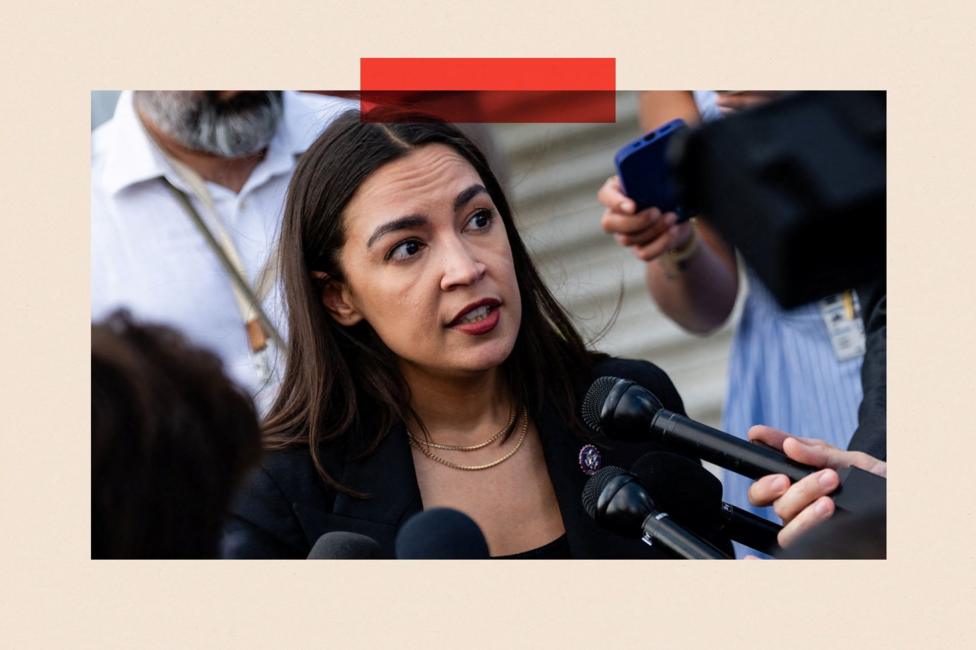 Image source, Reuters
Alexandria Ocasio-Cortez has been consistently popular among progressives
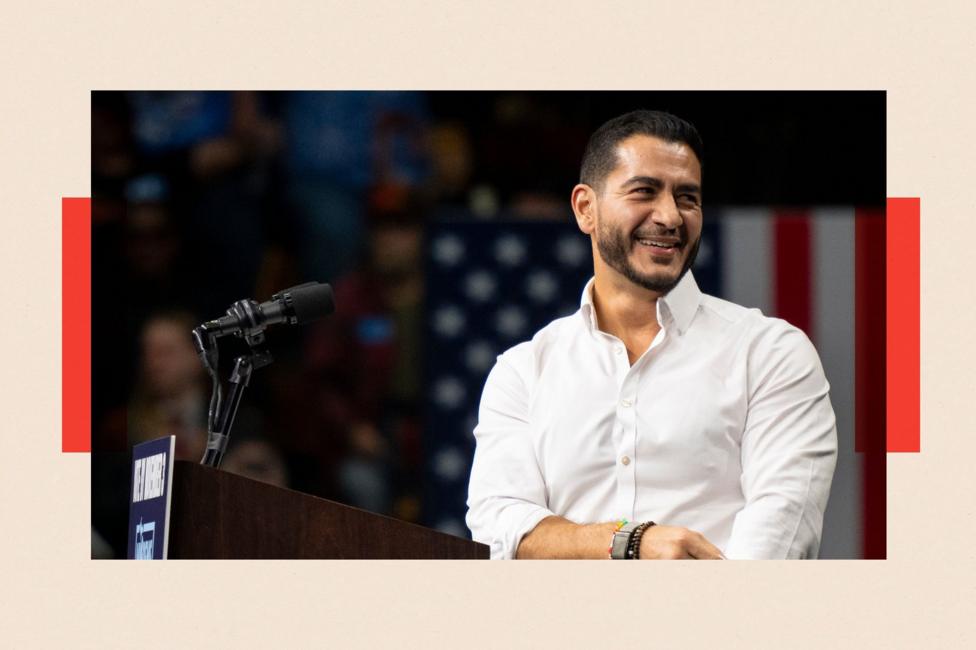 Image source, EPA
Abdul El-Sayed's race is being seen as a bellwether
 Image source, EPA
Support for Israel has become a core issue within the party
 Image source, Reuters
Jon Ossoff is being watched closely in Georgia