The key facts
- 84% of early voters named the economy as their main concern (Pew Research Center)
- US gasoline prices rose by 9.1% in September alone
- Nearly 41% of the 132 million US households cannot cover basic expenses under the ALICE metric
The economy tops voters' concerns
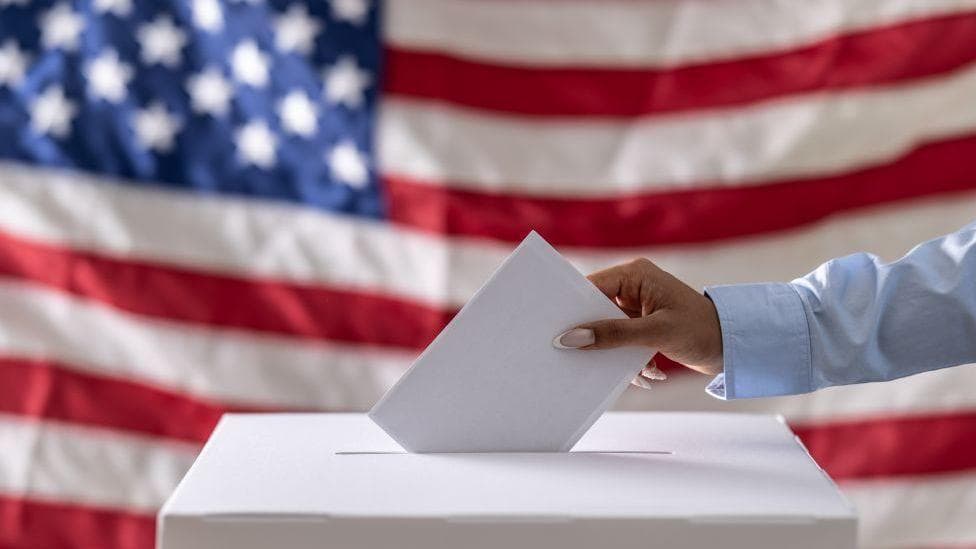
The cost of living has become the main issue for Americans who began early voting ahead of the midterm elections scheduled for next week. According to a Pew Research Center poll cited by AFP, 84% of early-voting voters named the economy as the top issue of this election cycle.
Price increases after the strikes on Iran
Fuel prices are putting noticeable pressure on household budgets: they rose worldwide after the United States and Israel struck Iran in February. In September alone, gasoline prices in the US rose by 9.1% according to official data, which is especially felt in Florida, where most residents depend on cars. Matthew Moore, a 63-year-old lawyer, told AFP that the cost of his plane tickets home for Christmas had doubled compared with last year.
Differing views on causes and responsibility
President Donald Trump won the 2024 election partly thanks to his promise to bring down prices, which had also risen under his predecessor Joe Biden. William Galston, a senior fellow at the Brookings Institution think tank, believes that two of Trump's decisions in his current term — the war with Iran and tariffs on trading partners — directly contributed to rising costs. In his words, the president has the power to cancel most of the tariffs he imposed and to end the war he started. The White House, for its part, insists that Trump's policies are reviving the economy and making life more affordable.
Financial strain on households
Millions of American households, according to AFP, are finding it increasingly hard to make ends meet. Simeria Hudson, head of the nonprofit United Way Miami, noted that financial hardship is growing, especially in the middle class. The ALICE metric (Asset Limited, Income Constrained, Employed), used by United Way, measures working people whose income does not cover basic expenses for food, housing and healthcare: nearly 41% of the 132 million US households fall below this threshold. Some voters are forced to cut even spending on medications: Kyler Dougherty, a 43-year-old healthcare worker, admitted that he skips some of his prescriptions because he cannot afford them.