The key facts
- Wildlife Trusts bought the 3,800-hectare Rothbury estate for around £30 million ($40 million)
- £17 million was raised by 25,000 private donors, £5 million came from the National Lottery Heritage Fund, and £1.94 million was pledged by the environment department
- The estate belonged for almost eight centuries to the Percy family, the Dukes of Northumberland, and was used for grouse shooting until 2022
The largest land purchase in three decades
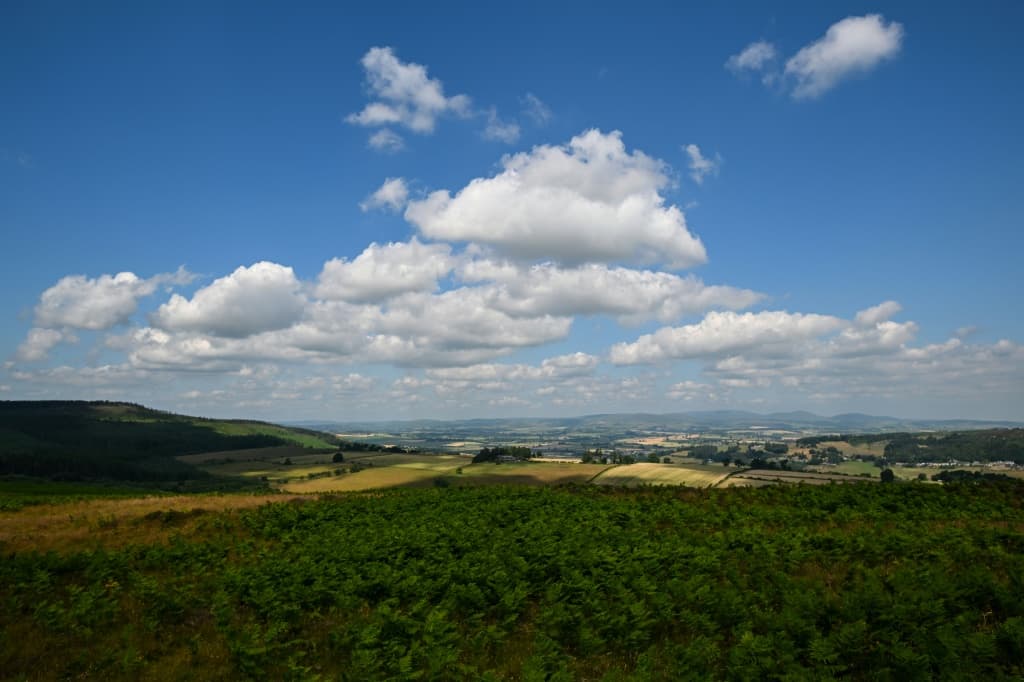
A British conservation charity Wildlife Trusts announced on Friday that it had raised around £30 million ($40 million) and bought the Rothbury estate in northern Northumberland outright — 3,800 hectares of moorland and woodland, comparable in area to central London. According to AFP, this is the largest land acquisition in England in the last three decades. The fundraising campaign took two years.
Where the money came from and who sold the land
The funding structure shows that the purchase relied on mass public support: £17 million came from 25,000 private donors. A further £5 million was provided by the National Lottery Heritage Fund, which finances projects protecting British heritage, while the environment department pledged £1.94 million. The seller was the Percy family — the Dukes of Northumberland, who had owned the land for almost eight centuries and used it for grouse shooting until 2022. Max Percy, son of the current duke, explained the sale by saying that managing the estate from southern England was too difficult: having put it up for sale in 2023, he gave the charity two years to raise the funds.
What is planned for the land
The charity intends to turn the area into a haven for biodiversity. The campaign won the support of the renowned naturalist David Attenborough, who called the purchase an opportunity to 'create something very special for generations to come'. Wildlife Trusts chief executive Craig Bennett thanked the donors and stressed that the work would be carried out together with local communities, farmers and landowners. The charity also wants to persuade about a dozen local farmers, mostly sheep farmers, to adopt more environmentally friendly methods — with less use of pesticides and chemical fertilisers.
A wildlife corridor and national targets
The estate borders several nature reserves and restoration projects, and the owners of these plots hope to eventually create a 65-kilometre wildlife corridor stretching inland from the North Sea coast. It is meant to become a refuge for cuckoos, butterflies, pine martens, golden eagles and flying squirrels in densely populated Britain, where nature has suffered heavily. According to the charity's own estimate, the acquisition could help the government move closer to its goal of protecting and managing 30% of land and marine areas for nature by 2030 — a target the country is still far from meeting.